

Savaş Araştırmaları Dr. Öğr. Üyesi @msuedutr Saint Benoit, BA @kocuniversity, MA @UniBogazici, PhD @msuedutr Podcast @savasvecatisma Savaş, Strateji ve Oyun
Joined December 2018
- Tweets2.5K
- Following308
- Followers4.3K
- Likes4.1K






Dağhan Yet retweeted

Eskiler, devletin kılıçla kurulup kalemle yaşadığını söylerdi. Lâkin kılıcın ne zaman kınından çıkacağını, kalemin hangi satırda duracağını bilen akıldır. Türkçede bu aklın adı “us”tur; uslu sözü de oradan gelir.
Devlet aklının bizde uzun bir mazisi vardır. Üç kağana yol gösteren Bilge Tonyukuk, tedbirlerini taşa kazınmış bir hatırat olarak bıraktı. Yusuf Has Hâcib, Kutadgu Bilig’de aklı Ögdülmiş adıyla hükümdarın yanına oturttu. Nizâmülmülk, Siyâsetnâme’yi Melikşah’a devlet idaresinin inceliklerini anlatmak için kaleme aldı. Kâtib Çelebi, işlerin bozulmaya yüz tuttuğu bir devirde halelin ıslahı için Düstûrü’l-amel’i yazdı. Hepsi aynı hakikate işaret eder: Devlet, hadiseleri kendi aklıyla okuyabildiği müddetçe ayakta kalır.
Us Strateji, bu kervana yeni katılan bir yolcu olarak yayın hayatına başladı. Türkiye’nin stratejik çevresini savaş, güç ve devlet aklı üzerinden okuyan bağımsız bir yayındır. Yazarlarını, yazdıkları meseleyi sahada, masada yahut kürsüde öğrenmiş isimlerden seçiyor. Maksadı, günübirlik hükümlerin gürültüsüne kapılmadan, dünyanın düzensizliğini başkalarının ezberlettiği kavramlarla değil, kendi aklımızla okumaktır.
Us’taki konular beş ana başlıkta toplanıyor: Savaş ve Strateji, Türkiye’nin Çevresi, Büyük Güçler, Savunma ve Teknoloji, Enerji ve Jeoekonomi. Makale, deneme, kitap değerlendirmesi ve raporların yanında kendine has bölümler de var. Karşı Tez’de yayımlanmış bir yazıya davetli bir cevap veriliyor; Ortak Us’ta uzman heyetine her ay tek bir önerme soruluyor. Us Masası’na iki haftada bir oturuluyor, Us Notu ise her pazartesi sabahı okuyucuya ulaşıyor. Her yazı üç turlu bir editörlükten geçiyor; metinler, kaynak gösterilmek şartıyla aynen neşredilebiliyor.
İlk US Dosyası’nın Yeni Dünya Düzensizliği başlığını taşıması da manidar. Dosyanın hükmü açık: Dünya düzeni çökmedi, işleyişi değişti. Kâtib Çelebi’nin diliyle söylersek, nizâm yerinde duruyor, işleyişine halel gelmiş. Açılış yazısının ardından dokuz kalem bu haleli sahadan, hukuktan, piyasadan ve toplumdan okuyor.
Künyesi de bu maksadı taşıyacak isimlerden müteşekkil. Genel yayın yönetmenliğini Alperen Kürşad Zengin üstlenmiş. Kıdemli editörler olarak; savaş ve stratejide Dağhan Yet, Avrasya çalışmalarında Sabahattin Can Ayeş, terörizm ve güvenlikte Halil İbrahim Albayrak, uluslararası hukukta Hüseyin Akif Karaca yer alıyor; içerik yöneticiliğini Ali Şahin Akdemir yürütüyor. Bu teşebbüsü kıymetli buluyor, okunmasını tavsiye ediyorum. Kalemleri keskin, sözleri geçkin olsun.
stratejikus.com
@Usstrateji @Akursad_Zengin @YetDaghan @CanAyes @hialbayrak_tc


Dağhan Yet retweeted

“Gökyüzünde 21. yüzyıl, toprakta 20. yüzyılın başı.”
“Eski savaşlar” geri mi dönüyor? Dağhan Yet (@YetDaghan) savaşın doğasının hiç değişmediğini yazdı: “Asıl sorulması gereken, hangi silahın icat edildiği değil, hangi düzenin kurulmakta olduğu.”
stratejikus.com/yazi/eski-sa…

Dağhan Yet retweeted

[Yeni Kitap]
POLİTİK PARADOKSLAR
“Politik felsefe, iyi bir teori kurduğu için değil, politik şeyler alanındaki indirgenemez gerilimleri görünür kıldığı için iş görür”.
Okuru bol olsun!
İncelemek için: vbky.com.tr/kitap/politik-pa…

ALT M. Ertan Kardeş, Politik Paradokslar, İstanbul: VBKY, 2026.

Dağhan Yet retweeted

“All wars eventually end at the bargaining table.” Read Stephen Biddle, @SamWinterLevy, and Yuri Zhukov on the elusiveness of military victory:
foreignaffairs.com/united-st…

Dağhan Yet retweeted

Taktik nükleer silah tartışması 1950lere dayanır. Taktik-stratejik, konvansiyonel- kon olamayan ayrımı silahın cinsi değil kullanım alanı ile alakalıdır.
Cephe taktik sivillerin yaşadığı cephe gerisi str alanı oluşturur.
İster bıçak ister nükleer bomba olsun bu durum değişmez.
Dağhan Yet retweeted
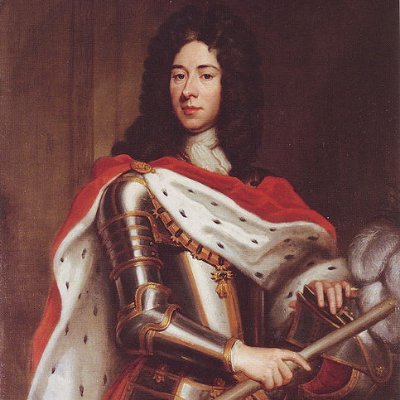
Ambushes were very frequent in medieval warfare and before the gunpowder era in general.
Medieval armies could be very vulnerable due to soldiers not wearing armor on the march and limited ability to quickly form a coherent battle line under surprise attack.

Ambushes were very effective in the Middle Ages because knights generally did not wear armor unless they were expected to fight immediately, and could be caught without their best equipment.
Wearing armor on march was unusual. It was heavy and uncomfortable and could tire the horses. Medieval soldiers must have felt that being without armor it was worth the risk when they were not expecting combat imminently.
The medieval armies preferred to rely on scouts and informers to have sufficient time to equip themselves before combat. They only marched in armor if they were on high alert or were seeking battle.
This left them open to ambushes, if the enemy was able to figure out a plan how to catch them off guard.
The rear of the army was most likely to be ambushed and was the most dangerous place to be in the medieval army. It was seen as a special honor to be part of the rearguard, reserved for the bravest and most reliable troops. Commanding the rear division was assigned to prestigious nobles who had already proven themselves in battles!
Source: James Titterton, Deception in Medieval Warfare: Trickery and Cunning in the Central Middle Ages (Boydell Press, 2021), 61-63.
The image depicts an event from the Hundred Years' War which happened in 1373 when an English reconnaissance unit of 50 men-at-arms and 20 mounted archers commanded by Gautier Hewit was ambushed by 120 French men-at-arms. Hewit did not have time to put on his plate armor before rushing into the fight "without his plates", armed with a shield and a lance. He was killed by a "strong and valiant" French knight named Jehans del Mans who pierced his body with a sword.
The French assault had been so sudden that Hewit's flag was not yet fully unfurled. This was important in a medieval battle because the flag provided a rallying point in case of defeat. When the English saw Gautier fall from his horse "wounded to death" they were disheartened. As a result the French took many prisoners and "departed without damage". Hewit was one of the most experienced English veterans of war but even such men were not immune to being caught off guard by a well prepared ambush.
The image is from the book by David Nicolle, The Great Chevauchée: John of Gaunt's Raid on France 1373 (Osprey, 2011), on pages 52-53.

Dağhan Yet retweeted
ATASAREN’in 2026-2027 İkinci Alım İlanı yayınlandı.
Savaş Araştırmaları’yla ilgili sorularınızı bana veya bölüm başkanımız @onerakgul ‘e iletebilirsiniz.


Dağhan Yet retweeted

This map shows where German troops were still fighting in May of 1945.
But Hitler and Himmler had this crazy plan to establish an "alpine redoubt" in southern Germany and Austria, lead an insurgency against Allied occupation, hold out until the 1950's and let the Americans and Soviets bleed each other to death.
The idea of the alpine redoubt was enough for the Americans to divert units to the south - and this map shows that there were indeed German troops still operational there.
If the Germans had seriously invested in this plan - insurgency led from an alpine redoubt, what would it have looked like?
Well...
legionwargames.com/legion_WE…

Dağhan Yet retweeted

Westphalia düşündüğünüz şey değil. O da bir “efsane.” İşbu konu üzerine epey eser var, hatta ben de tam da bu konu üzerine kitap yazdım.
Benim tezim (ki başkaları da aynı noktaya farklı açılardan varıyor): Biz, Westphalia Sistemi’nde yaşamıyoruz, biz 1945 sonrası sisteminde yaşıyoruz, okuduğumuz Uluslararası İlişkiler bile işbu özel zaman diliminin bir ürünü, biz eski/farklı tarih & coğrafyalara 1945 sonrası gözlerle bakıyoruz. O zaman da işbu sistemin atası Westphalia “gibi geliyor.”
Westphalia Barışı’nın gerçekliği ile Westphalia Efsanesi’nin pek alakası yok. Bu bir iddia değil, tarihsel-ampirik bir gerçeklik.

Dağhan Yet retweeted
📢[Yeni makale] Olay, Kavram ve Yazı ilişkisi üzerine…
"Claude Lefort: Metodoloji Arayışının Ötesinde Politik Felsefeyi Yazmak"
Tam metin: dx.doi.org/10.29228/aretejou…
@aretejournal
Dağhan Yet retweeted

İncelenen 100 doktora tezi içinde sadece 21'i hiç AI kullanmamış ama 5 tez tamamen AI ürünü çıkarken 14 tezin yarısından fazlası AI. Yani tezlerde AI kullanımı şaşırtıcı derecede fazla. Sorun birkaç kişiyle sınırlı değil. Üniversiteler ve YÖK kapsamlı tedbir almalı.

Dağhan Yet retweeted

This doesn't seem right to me. The thing is, the classical texts don't advance a single form of wisdom - they vary and disagree, quite a lot. The Odyssey has Achilles show up to reject the choice he made...in the Iliad!
So the question would be which texts would one apply?

Dağhan Yet retweeted
Bugün itibarıyla başvuru süreci başladı. İlgililer başvuru tarihlerini kaçırmasın.

2026-2027 Eğitim ve Öğretim yılı için öğrenci ilanımız yayınlandı. Başvurular 18 Mayıs - 12 Haziran arasında yapılacak.
Savaş Araştırmaları Bölümü ile ilgili bana veya bölüm başkanımız @onerakgul 'e ulaşabilirsiniz.


Dağhan Yet retweeted
Doğru tespitten istifade ederek bu konuyu Atasaren Bülten’de ele aldığım kısa bir yazıyı paylaşayım :)
savasarastirmalari.com/savas…
Dağhan Yet retweeted

Politik Felsefe Günleri 6: Çağımız ve Thomas Hobbes
📆 20 Nisan 2026
🕙 10.00
📍 MSGSÜ Bomonti Konferans Salonu
Kayıt: forms.gle/KFJSbCkDvAx6Fjfy6


Dağhan Yet retweeted
ABD nin sattığı silahlar kendi uçaklarına karşı kullanılamıyor şehir efsanesi de yıkıldı galiba.
Dağhan Yet retweeted

A🧵on societies and the armies they produce.
Militaristic societies (Sparta/Prussia/Germany) don't produce infallible armies.
Also, volunteer soldiers from liberal democratic nations aren't a magic bullet for military effectiveness either.
Idolizing both is a problem. 1/25

Dağhan Yet retweeted

Yeni bir teknoloji uygulamaya girip yaygınlaştığında, bunun yaratacağı dönüşüme temkinli yaklaşan herkes Ferdinand Foch'muş gibi muamele görüyor ya da bundan endişe ettiği için açıkça konuşamıyor. Sosyal medya, blockchain, NFT vb hepsinde oldu bu.


Hoca literatür taramasını yapay zeka ile 2 saatte bitirmek yerine 3 hafta harcıyor çünkü öğrenmenin en iyi yollarından birisi yazmaktır. Ben, en çok bir şeyler yazarken okurum mesela. Hatta daldan dala atlarım, aklım karışır, okuduklarımı tasnif etmeye, birbirleriyle karşılaştırmaya çalışırım. Literatür beni tatmin etmediği için zaten ortaya yeni bir fikir atar, tartışma açarım. Makale bitene kadar birçok şey okumuş, düşünmüş olurum.
Amacı, makaleyi ya da kitabı bitirip akademik yükseltme için ya da maaşa eklenecek bonus için puan toplamak olanlar için elbette bu zaman kaybı olarak görünecektir. Aman bu yollara kimse tevessül etmesin.
Dağhan Yet retweeted
At their peak (14th century), Teutonic Knights were extremely military successful.
It was essentially a few hundred monks organizing defense of a small strip of territory which went up against what was at one point essentially the largest 'state' in Europe (Lithuania).
The reason why they would decline later on is simply because their small territory and limited manpower could no longer compete with the huge and increasingly centralized neighboring realms that could organize much large armies. The improvement of gunpowder artillery also made their fortification systems largely obsolete.
There were also various ideological and internal reasons which limited the effectiveness of Teutonic Knights. Their territory was not a centralized 'state' but also included patchworks of territories that belonged to bishoprics and independent cities. There were often internal hostilities between them.
In modern times, influenced by 19th century nationalist narratives, there is an image of Teutonic Knight as Germans fighting with Slavs and Balts in some racial struggle but in reality there were German clerics and burghers in the region who were often as odds with the Teutonic Order, while there were also many native Slav and Baltic auxiliaries fighting for the Order itself.
From 14th century onward there was also an increasing suspicion of the Order from other European Christian states. After the Crusades in the Holy Land ended and Knights Templar were abolished, the monastic military orders were increasingly obsolete and did not entirely fit into dynastic network of European realms. It was never going to last.
As for the battles, Teutonic Knights fought few large open battles during their prime as their enemies would avoid such engagements with them due to fierce heavy cavalry of Teutonic Knights. In open battles, Teutonic Knights would have an advantage up until the times Grunwald where they were simply outnumbered. Their wars with pagans consisted of yearly raids where each sides would raid the enemy territory in either winter or summer raids which could only be conducted in specific weather. It was a harsh terrain with harsh climate and the fighting was done in very difficult conditions. The Teutonic Knights were not the only ones fighting but also had various native auxiliaries, mercenaries and foreign knights who came as adventurers. Being a Teutonic Knight was a very hard life.


This argument is polemical. The Teutonic knights even by contemporaries were regarded as a highly professional, organized and formidable fighting force.
They won the Battle of Streva (1348) against the Grand Duchy of Lithuania which resulted in a clear victory and thousands of Lithuanian soldiers died in battle. Reported by both sides.
They also won the Battle of Rudau (1370) against once again the Grand Duchy of Lithuania. The knights lost about 26 knights and between 100-300 men. But the Lithuanians lost 1000-3500.
The Teutonic knights did lose battles, obviously they did. So did every other medieval army. You won’t win everything.
The Teutonic knights frequently crushed their enemies’ forces on many occasions. They were good at it. They earned a reputation for carnage.
This reputation is not only because they murdered civilians. (Baltic pagan tribes did this too to each other).
