
sajad retweeted

The Iran War has drained America’s strategic petroleum reserve to its lowest level since 1982.

sajad retweeted

این مقاله که دو میلیون ویو خورده را حوصله کردید بخونید.
توضیح میده که چجوری مغز ما ۱۵ بار در ثانیه بین آگاهی و ناآگاهی، بودن و نبودن سوییچ میکنه.
به عبارتی مغز ما در ثانیه ۱۵ بار در حالت سوپر پوزیشن کوانتومی قرار میگیره!
یا به عبارتی دیگه ما کامپیوترهای کوانتومی متحرک هستیم.

1/ We discovered something totally unexpected about the neural structure of consciousness that overturns decades of thinking on its biological basis and brings us significantly closer to the recipe for generating conscious awareness.
New preprint: biorxiv.org/content/10.64898… (led by @HesseJanis, with @FrankLanfranchi, @_conor_mcgrory, @Yuelin_Shi, and @EngelTatiana)

sajad retweeted

𝗖𝗜/𝗖𝗗 𝗣𝗶𝗽𝗲𝗹𝗶𝗻𝗲𝘀 𝗖𝗹𝗲𝗮𝗿𝗹𝘆 𝗘𝘅𝗽𝗹𝗮𝗶𝗻𝗲𝗱.
CI/CD pipelines automate the path from code change to production.
A typical pipeline connects:
→ Source control
→ Automated testing
→ Artifact creation
→ Security scanning
→ Deployment
The goal is simple: catch problems earlier and make releases repeatable.
But automating deployment creates another problem: the pipeline still needs permission to access your infrastructure.
It may need to push a container image, deploy to Kubernetes, access a database, or modify cloud resources.
One option is to give the pipeline a long-lived credential.
But that means another secret to store, rotate, and protect.
Workload identity takes a different approach.
Instead of storing a permanent secret, the workload proves its identity and receives short-lived access when it needs it.
Teleport’s Machine & Workload Identity applies this model to CI/CD jobs, AI agents, and other automated workloads accessing infrastructure.
CI/CD controls how code moves through the deployment process.
Workload identity controls what that automation is allowed to access.
𝗟𝗲𝗮𝗿𝗻 𝗺𝗼𝗿𝗲 𝗵𝗲𝗿𝗲 → lucode.co/machine-workload-i…
What else would you add?
——
♻️ Repost to help others learn system design.
🙏 Thanks to @goteleport for sponsoring this post.
➕ Follow me ( Nikki Siapno ) to improve at system design.


Things Every Developer Should Know: CI/CD Pipelines.
CI/CD pipelines automate the path from code change to production.
A typical pipeline connects:
→ Source control
→ Automated testing
→ Artifact creation
→ Security scanning
→ Deployment
The goal is simple: catch problems earlier and make releases repeatable.
But automating deployment creates another problem: the pipeline still needs permission to access your infrastructure.
It may need to push a container image, deploy to Kubernetes, access a database, or modify cloud resources.
One option is to give the pipeline a long-lived credential.
But that means another secret to store, rotate, and protect.
Workload identity takes a different approach.
Instead of storing a permanent secret, the workload proves its identity and receives short-lived access when it needs it.
Teleport’s Machine & Workload Identity applies this model to CI/CD jobs, AI agents, and other automated workloads accessing infrastructure.
CI/CD controls how code moves through the deployment process.
Workload identity controls what that automation is allowed to access.
𝗟𝗲𝗮𝗿𝗻 𝗺𝗼𝗿𝗲 𝗵𝗲𝗿𝗲 → lucode.co/machine-workload-i…
What else would you add?
——
♻️ Repost to help others learn system design.
🙏 Thanks to @goteleport for sponsoring this post.
➕ Follow me ( Nikki Siapno ) to improve at system design.



sajad retweeted

We have presents for you! 🎁
- A new WebMCP Skill with best practices for security, development, & consequential flows
- WebMCP Types: TypeScript definitions, with type inference from InputSchema
Give em to your agent, it helps scaffold out WebMCP so fresh and so clean clean

ALT A sheet that talks about three tools for webmcp: the extension, webmcp types, and webmcp-skills
sajad retweeted

وقتی کل هدف ما از اجرای مدل، دستهبندی نیت کاربر یا انتخاب یک گزینه از بین چند مسیره، استفاده از مدلهای متنی بزرگ و تولید توکن به توکن واقعاً هدر دادن منابع پردازشی و زمانه.
مدلهای تصمیمگیر (decision models) مثل d1-3B ایده جالبی دارند؛ در یک گذر مستقیم (single forward pass) احتمال گزینهها رو حساب میکنند بدون اینکه حتی یک توکن اضافه تولید کنند. نوتبوک جدید Liquid AI نشون میده چطور میشه این ساختار رو با کتابخانه TRL و روش LoRA فاینتیون کرد.
چند نکته تکنیکال جالب در پیادهسازی این نوتبوک هست: کل خروجی مدل موقع آموزش فقط یک توکن (کد گزینه صحیح) است. همچنین برای جلوگیری از بایاس جایگاه گزینهها، ترتیب و تعداد انتخابها در هر نمونه جابهجا (shuffle) میشه. روی یک GPU رایگان T4 با ۳۵ دقیقه آموزش، دقت مدل روی بنچمارک Banking77 از ۸۳٪ به ۸۸٪ رسید.
لینک نوتبوک:
github.com/Liquid4All/cookbo…
t.me/mlinfarsi

sajad retweeted

حدود یک ماه و نیم از اومدنم به سانفرانسیسکو میگذره. یکی از دلایل اصلی اومدنم هم این بود که میخواستم از نزدیک ببینم توی مرکز اتفاقاتی که داره در دنیای هوش مصنوعی میافته چه خبره.
توی این مدت با آدمهای زیادی صحبت کردم، از بنیانگذارهای استارتاپها و سرمایهگذارها گرفته تا محققها و مهندسهایی که روی مدلهای هوش مصنوعی کار میکنن.
چند تا مشاهده شخصی که شاید جالب باشه:
۱. فاصله فضای تکنولوژی اینجا با بقیه دنیا واقعاً عجیبه. توی تورنتو هم آدمهای زیادی درگیر تکنولوژی بودن، ولی اینجا تقریباً هر مکالمهای به نوعی به AI ختم میشه. انگار یه عده دارن توی آینده زندگی میکنن، در حالی که بخش بزرگی از دنیا هنوز از هوش مصنوعی برای نوشتن ایمیل و پرسیدن سؤال استفاده میکنه.
۲. یه حس عجله و اضطراب عجیبی بین آدمها وجود داره. انگار همه فکر میکنن یه پنجره زمانی خیلی کوتاه باز شده که اگه الان ازش استفاده نکنن، دیگه فرصتش رو نخواهند داشت. به نظرم این ترس از عقب موندن، گاهی حتی از اشتیاق به ساختن چیزهای جدید هم قویتره. جالبه که تکنولوژیای که قراره وقت بیشتری برای انسان آزاد کنه، فعلاً سازندههاش رو بیشتر از همیشه مشغول کرده.
۳. تقریباً همه دارن روی مسائل مشابهی کار میکنن. Agentها، ابزارهای کدنویسی، مدلهای تخصصی و انواع محصولات AI. رقابت هم فقط بین استارتاپها نیست. شرکتهایی که مدلهای اصلی رو میسازن، خودشون دارن وارد بازار محصولات میشن. ممکنه چیزی که یه استارتاپ ماهها براش وقت گذاشته، با آپدیت بعدی Claude یا ChatGPT تبدیل به یه قابلیت ساده بشه. این موضوع ساختن یه کسبوکار ماندگار رو خیلی پیچیدهتر کرده.
۴. پول و ثروت خیلی پررنگه. ارزشگذاری شرکتها، سرمایهای که جذب کردن، درآمد و دارایی آدمها، بخش قابلتوجهی از گفتگوهاست. نکته عجیبتر اینکه حتی آدمهایی که از نظر مالی خیلی موفق هستن هم گاهی احساس عقبافتادگی میکنن. وقتی اطرافت آدمهایی هستن که توی چند سال دهها میلیون دلار ثروت ساختن، انگار معیار موفقیت مدام جابهجا میشه.
۵. هزینه زندگی اینجا واقعاً دیوانهکنندهست، بهخصوص مسکن. ولی تناقض جالبتر برای من اینه که شهری که بعضی از باهوشترین آدمهای دنیا دارن توش روی آینده بشریت کار میکنن، هنوز نتونسته خیلی از مشکلات ابتدایی خودش رو حل کنه. این حجم از ثروت و پیشرفت تکنولوژی لزوماً به معنی کیفیت زندگی بهتر نیست.
۶. به نظرم معنای ساختن محصول داره عوض میشه. قبلاً برای ساختن یه محصول نرمافزاری به تیم، سرمایه و زمان زیادی نیاز داشتی. الان یه نفر میتونه ظرف چند روز چیزی بسازه که قبلاً ماهها طول میکشید. ولی یه پارادوکس اینجا وجود داره: هرچی ساختن آسونتر میشه، ساختن چیزی که واقعاً ارزشمند و متمایز باشه سختتر میشه. به نظرم سلیقه، درک درست مسئله، توزیع محصول و توانایی تبدیل یه ایده به کسبوکار، دارن از خود کدنویسی مهمتر میشن.
۷. یه سؤال که مدام توی ذهنم تکرار میشه اینه که چند نفر واقعاً دارن مسئلهای رو حل میکنن که بهش علاقه دارن و چند نفر صرفاً دنبال فرصت اقتصادی این موج هستن؟ البته همیشه توی هر تحول تکنولوژیکی هر دو گروه وجود داشتن. ولی سرعت و حجم سرمایهای که الان وارد این فضا شده، این موضوع رو خیلی پررنگتر کرده.
۸. با همه اینها، چیزی که من رو بیشتر از همه جذب کرده تراکم آدمهای بااستعداد و جاهطلبه. ممکنه توی یه روز با کسی صحبت کنی که داره نسل بعدی مدلهای هوش مصنوعی رو میسازه، با کسی که داره روی رباتهایی کار میکنه که در دنیای واقعی فعالیت میکنن و با بنیانگذاری که تازه یه ایده رو شروع کرده. جذابیت اینجا برای من صرفاً تکنولوژی نیست، بلکه دسترسی به آدمهایی هست که واقعاً دارن آینده رو میسازن.
۹. شاید شخصیترین مشاهدهم این باشه که خود این محیط هم میتونه یه تله باشه. این همه آدم جذاب، رویداد، فرصت و ایده باعث میشه همیشه احساس کنی باید جایی باشی، کسی رو ببینی یا روی چیزی کار کنی. ولی مشغول بودن لزوماً به معنی پیشرفت کردن نیست. گاهی پیدا کردن تمرکز و اینکه بدونی واقعاً میخوای روی چی وقت بذاری، از پیدا کردن فرصت جدید سختتره.
هنوز برای نتیجهگیری زوده و طبیعتاً اینها مشاهدات محدود من از آدمهایی هستن که توی این مدت باهاشون در ارتباط بودم.
ولی مدام به یه سؤال فکر میکنم: چقدر از چیزی که اینجا تجربه میکنیم، آیندهایه که بقیه دنیا هم بهزودی تجربه میکنن و چقدرش صرفاً حاصل زندگی کردن توی یه حباب خیلی خاصه؟
احتمالاً هر دو.
sajad retweeted

Not exactly but you need to be poop-maxing if you are mental illness maxing.
-Ginger
-EVOO
-Raw carrot between meals
-Vitamin C
-Eating breakfast
-Glutamine
-Magnesium
-Taurine
-Glycine
-Okra
-Electrolytes
-Kiwis
-PHGG
-Zinc
-Bifidobacterium lactis HN019 + bifidum
-Saffron
-Melatonin
-Thyroid
-Bitters
-Myo-inositol
-Taurine
-Kimchi
-No gluten
-Bone broth
Etc


sajad retweeted

اسطورههای پارسی و آغازِ تاریخ غرب
بنظر، تاریخ برای غرب، یک مسأله باشد. اما این مسأله، آغازی دارد و آن، آغاز روایت تاریخ غرب از شرق است و آثاری چون گاهشماری یوحنا، اسقف نیکیو، گواه این امر هستند. نکتهی درخور تأمّل، اما نقش پُررنگ پارسیان در روایت غربی از تاریخ آغازین غرب است.👇

sajad retweeted

برای زمان قطعی اینترنت یکی از جامع ترین سایت ها که تمام روش ها #اینترنت آزاد در شرایط قطعی و فعلی گذاشته رو میتونید استفاده کنید
این سایت از معرفی اپلیکیشن و ابزار های dns و... رو داره و در زمان قطعی هم سایت قابل استفاده است.
filtershekan.sbs
با تشکر از @SarinaNeverDies

sajad retweeted

Someone literally put an entire AI engineering degree on GitHub and made it 100% free 🔥
542 lessons across 20 phases, with ~400 hours of material.
The whole curriculum is built around learning AI from first principles.
You start with the math, then implement the concepts yourself: backpropagation, tokenizers, attention, agent loops and more. Production frameworks come later, once you've already built the core mechanics by hand.
Every lesson runs these 5 steps:
Read the problem → derive the math → write the code → run the test → keep the artifact.
By the end of each lesson you have reusable: prompts, SKILLmd files, agent definitions, MCP servers you built yourself. The code runs in Python, TypeScript, Rust or Julia, depending on what fits the concept best.
The curriculum goes from linear algebra all the way to autonomous agent swarms, multi-agent coordination, production infrastructure, and AI safety.
It’s 100% free, open source, MIT licensed and available to clone and run locally. 70k+ stars on GitHub.
aiengineeringfromscratch.com

sajad retweeted

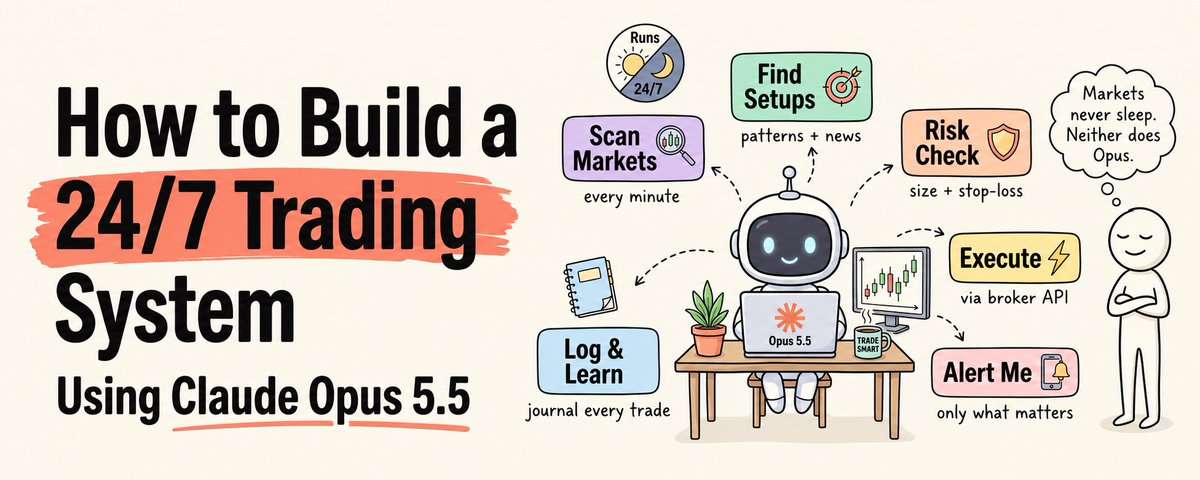
SOMEONE GAVE A GROK BOT THE POWER TO FIRE OTHER GROK BOTS.
Night 1: 62 bots deleted.
Starting capital: $1,000.
the entire setup:
give one Grok bot 500 trading bots to manage. tell it to review them at 2am, fire the worst pod, clone the best one. go to sleep.
from there it does everything. scores every bot, flags the bleeders, deletes them, rebuilds the empty seat from the winners, and only wakes him up when a trade needs approval.
> $1,000 → $14,620 in 7 nights (paper)
> 434 bots fired, 434 cloned
> 1 approval a night
he's not managing traders. he's running natural selection.
full build is in the article below. exact prompts, exact setup.
save it

sajad retweeted

𝗧𝗵𝗲 𝟭𝟬 𝘀𝗼𝗳𝘁𝘄𝗮𝗿𝗲 𝗲𝗻𝗴𝗶𝗻𝗲𝗲𝗿𝗶𝗻𝗴 𝗯𝗼𝗼𝗸𝘀 𝗜 𝗸𝗲𝗲𝗽 𝗿𝗲𝗰𝗼𝗺𝗺𝗲𝗻𝗱𝗶𝗻𝗴
Before you pick your next book, ask yourself what your biggest issue is right now.
I have used all ten and already recommended them in private.
Here they are, by the problem each one solves:
1. 𝗕𝗲𝗰𝗼𝗺𝗶𝗻𝗴 𝗺𝗼𝗿𝗲 𝗽𝗿𝗼𝗳𝗲𝘀𝘀𝗶𝗼𝗻𝗮𝗹 𝗶𝗻 𝘆𝗼𝘂𝗿 𝘄𝗼𝗿𝗸 → The Pragmatic Programmer by David Thomas and Andrew Hunt
2. 𝗠𝗲𝘀𝘀𝘆, 𝗵𝗮𝗿𝗱-𝘁𝗼-𝗿𝗲𝗮𝗱 𝗰𝗼𝗱𝗲 → A Philosophy of Software Design by John Ousterhout
3. 𝗧𝗲𝗮𝗺 𝗼𝗿 𝗽𝗿𝗼𝗷𝗲𝗰𝘁 𝗱𝘆𝘀𝗳𝘂𝗻𝗰𝘁𝗶𝗼𝗻 → Laws of Software Engineering (my book)
4. 𝗔𝗿𝗰𝗵𝗶𝘁𝗲𝗰𝘁𝘂𝗿𝗲 𝗱𝗲𝗰𝗶𝘀𝗶𝗼𝗻𝘀 → Fundamentals of Software Architecture by Mark Richards and Neal Ford
5. 𝗕𝗿𝗲𝗮𝗸𝗶𝗻𝗴 𝗮𝗽𝗮𝗿𝘁 𝗮 𝗺𝗼𝗻𝗼𝗹𝗶𝘁𝗵 → Software Architecture: The Hard Parts by Neal Ford, Mark Richards, Pramod Sadalage, and Zhamak Dehghani
6. 𝗗𝗶𝘀𝘁𝗿𝗶𝗯𝘂𝘁𝗲𝗱 𝘀𝘆𝘀𝘁𝗲𝗺𝘀 𝗱𝗲𝗰𝗶𝘀𝗶𝗼𝗻𝘀 → Designing Data-Intensive Applications, 2nd Edition, by Martin Kleppmann and Chris Riccomini
7. 𝗕𝘂𝗶𝗹𝗱𝗶𝗻𝗴 𝗔𝗜 𝘀𝘆𝘀𝘁𝗲𝗺𝘀 𝗶𝗻 𝗽𝗿𝗼𝗱𝘂𝗰𝘁𝗶𝗼𝗻 → AI Engineering by Chip Huyen
8. 𝗪𝗿𝗶𝘁𝗶𝗻𝗴 𝘁𝗲𝘀𝘁𝘀 𝘁𝗵𝗮𝘁 𝗵𝗼𝗹𝗱 𝘂𝗽 → The Art of Unit Testing by Roy Osherove with Vladimir Khorikov
9. 𝗖𝗵𝗮𝗻𝗴𝗶𝗻𝗴 𝗲𝘅𝗶𝘀𝘁𝗶𝗻𝗴 𝗰𝗼𝗱𝗲 → Refactoring by Martin Fowler
10. 𝗖𝗮𝗿𝗲𝗲𝗿 𝗴𝗿𝗼𝘄𝘁𝗵 → The Software Engineer's Guidebook by Gergely Orosz
If you ask me for one book, that would be definitely The Pragmatic Programmer. This is a must-read for every professional developer out there.
The full issue has more books, and my notes on them:
newsletter.techworld-with-mi…
Back to you, which book had the most impact on you?

ALT Covers of the 10 software engineering books Milan keeps recommending, each with its title, authors and the problem it solves.
sajad retweeted

The success of modern Iranian brickwork is not just informed by history and craft… but is made possible with advanced digital design tools and software
Here, for example, is an undulating brick facade created with parametric design, by architect Mehdi Farahmand

sajad retweeted

کتاب برای مطالعه:
The Selfish Gene — Richard Dawkins
دربارهی نگاه ژنمحور به تکامل و اینکه رفتارهای اجتماعی چطور میتونن از دید تکاملی شکل بگیرن.
The Origins of Virtue — Matt Ridley
دربارهی همکاری، نوعدوستی و ریشههای تکاملی رفتارهای اجتماعی.
sajad retweeted

سیحون وقتی هم میخواست برای خودش طراحی کنه از همان خطوط اسکیسهایی که از معماری بومی ایران کشیده بود، استفاده میکرد.
ویلای شخصیش در شرق تهران:


sajad retweeted

نسخه ۴ «چند» برای تمام پلتفرمهای اپل آماده تست عمومی شده و از طریق این لینک میتونید بطور مستقیم از طریق تستفلایت نصبش کنید و امتحانش کنید و فیدبک خودتون رو بهمون بگید. testflight.apple.com/join/WB…


sajad retweeted

در فیلم NAZA یه افسر/سرباز اطلاعاتی اسرائیلی میگه:
«این ادعا که خانههای شخصی بهعنوان سپر انسانی استفاده میشن، مضحکه. اونا فقط برمیگردن خونه تا بخوابن. ما هم همونجا پیداشون میکنیم.»
بارها گفته بودم زمان جنگ علیه ایران که اصطلاح «سپر انسانی» پروپاگاندای کثیف جنگ اسرائیلیهاست. بعد برای کودکان معصوم ما در میناب و تمام اهدافی که توی شهرها زدن من جمله لامرد حتی فعال سیاسیاش گفت «سپر انسانی». سپر انسانی و زهرمار.
حقیقت جنایت، نسلکشی و اشغالگری سرانجام در جهان افشا خواهد شد. و شرم بر کسانی که جنایتکاران رو سفیدشویی میکنن.
