

Innovation, tech, renovation. Outdoors and all the sports. Fly fishing, golf, mountains n rivers to cross.
Texas, USA
Joined October 2012
- Tweets17.8K
- Following5.1K
- Followers3.6K
- Likes18.6K



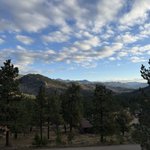
Great cause, and some art, golf, fly fishing, B&B’s in Lajitas and Alpine are a steal.
Big Bend Ranch State Park,on the Rio Grande ~ 400,000 acres, thinly staffed, needs help.
IM IN- can you help?
@FracSlap @nimblephatty @Shalennial @LandmanLife @RealPETE2020 @allengilmer
#WTx #RT


Ed Cowsar retweeted

Some have asked about this:
Susan and I wanted our gift to give 25 million children a stronger start and to reach communities where it could make the greatest difference.
We began with all eligible children born between 2016 and 2024 who signed up before auto-enrollment and lived in ZIP codes with median family income of $150,000 or less. We wanted families who took that first step to know they could count on our commitment.
Next were military children living overseas who also signed up before auto-enrollment. They represented a very small share of our $6.25 billion gift, but we didn’t want to leave them out because their military addresses didn’t fit the usual ZIP-code income framework. Their parents are serving our country abroad, and we want these children included in the future we are investing in.
When all American children were auto-enrolled at the beginning of this month, we immediately began funding the accounts of all children born 2016 to 2024 in eligible ZIP codes, beginning in ZIP codes with lowest median family income and moving progressively to higher median family income, up to 25 million accounts in total.
We chose this approach with care and a simple hope: that these investments will open doors and help millions of children build the futures they dream of.
🇺🇸🇺🇸🇺🇸
Great article written by @Jennifer_Hiller a few years ago- makes good points.
Every boom has a bust in oil & gas, yet water becomes more valuable.
Data also increases in value, and using it to predict maintenance, capital and water are key.
lubbockonline.com/story/news…


A new court ruling re: whether we ruin our Nat’l and State Parks, they’re not a launchpad for infrastructure that ruins their intent.
You own them, not elected or appointed officials. Reuters article at the link, my footage of BBRSP.
#txlege #breaking #elpaso #marfa #Wtx #ethics
reuters.com/legal/government…
Wall? Not necessary in Big Bend, everyone knows it, some have no backbone to admit it. Stand up Texans.
Follow Dawn Buckingham she spoke up 1st. A statewide elected official & Puro Texan.
#txlege @DrBuckinghamTX @tedcruz @elpasotimes @realDonaldTrump
bigbendsentinel.com/2026/10/…


Ed Cowsar retweeted

Better do some soul searching or you’re going to be the bitch of the SEC this year boys


FYI the data indicates that:
The global diesel shortage is more a refining and supply-chain problem, not a crude-oil shortage.
Russia: Refinery disruptions and sanctions reduced diesel exports.
Middle East: Conflict and shipping disruptions limited refining and exports.
Constrained spare refining capacity: Other refineries can’t replace the lost diesel easily.
Strong global demand: Transportation, agriculture and industry still require large quantities.
U.S. exports: America is producing near historically high levels, but strong overseas prices pull more U.S. diesel into export markets and reduce domestic inventories.
The U.S. isn’t running out of the ability to make diesel. Lost Russian/Middle Eastern supply is causing the world to compete for U.S. diesel, tightening U.S. inventories and pushing prices higher.
Military requirements in the US of diesel or less than ~1% of the total capacity.