

Research manager - REDs Research & Expertise in antiDoping sciences - i've got the power! #hypoxia #altitude #performance #antidoping #unil
Switzerland
Joined March 2009
- Tweets3.4K
- Following1K
- Followers1.4K
- Likes1.9K





𝘙𝘢𝘱𝘩𝘢𝘦𝘭 𝘍𝘢𝘪𝘴𝘴 retweeted

Must read perspective in @japplphysiol by @wattsnow & @dr_o_girard
Standing on the shoulders of giants: what have we learned about altitude training since the pre-1968 Olympic era?
journals.physiology.org/doi/…
𝘙𝘢𝘱𝘩𝘢𝘦𝘭 𝘍𝘢𝘪𝘴𝘴 retweeted

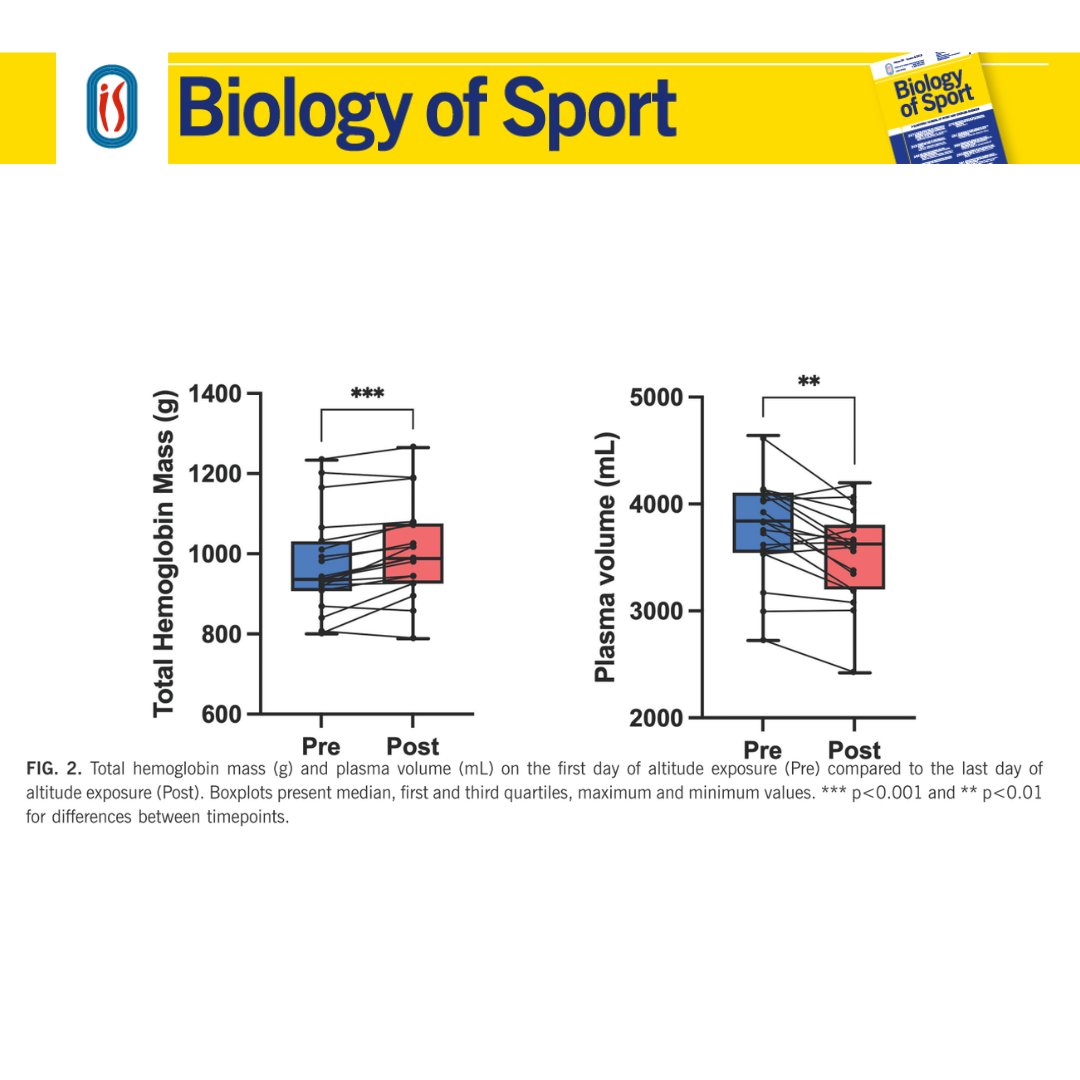
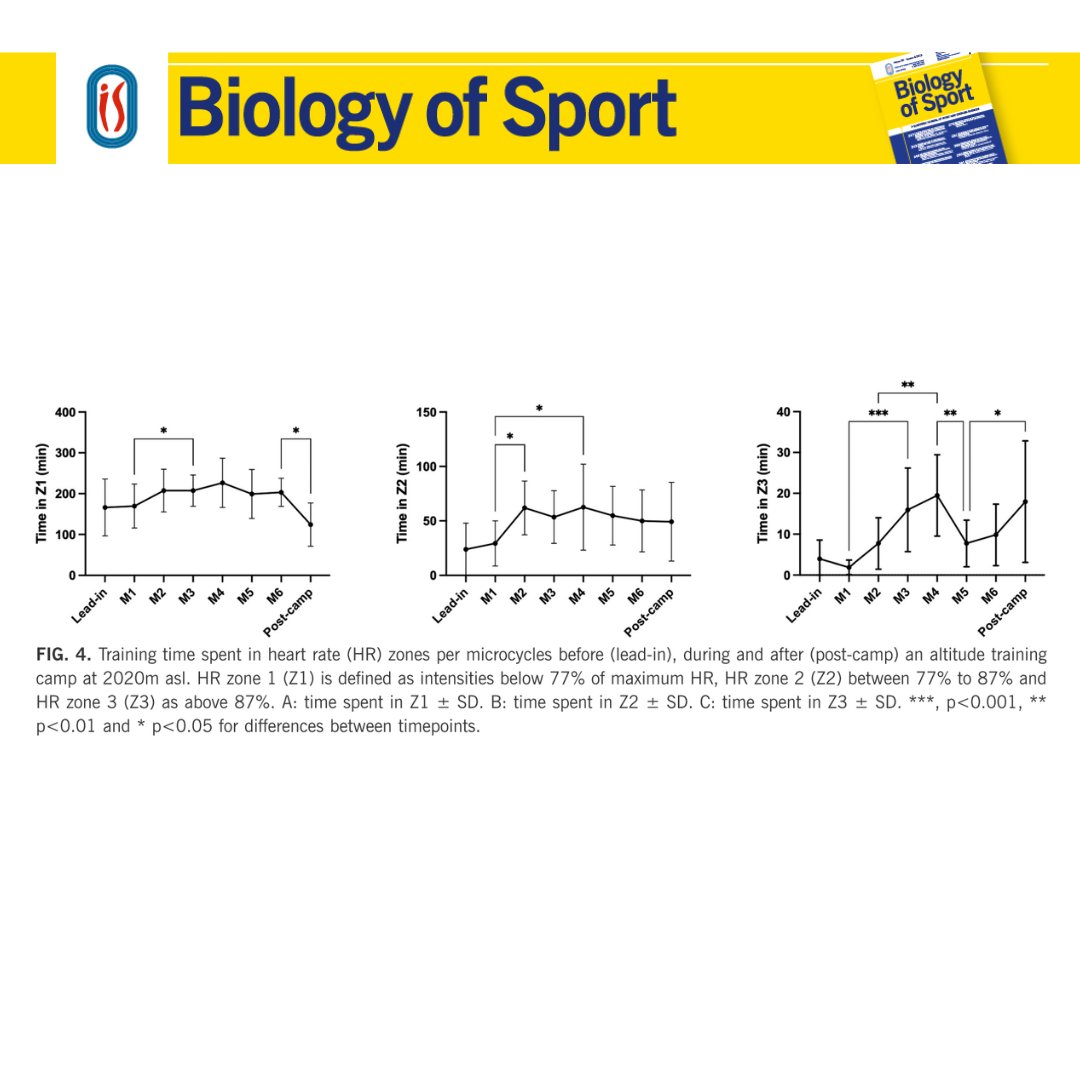
Can power-to-heart-rate ratio guide altitude training? Moreillon et al. found that after 18–21 days at 2020 m, Hbmass rose 3.7%, while W/HR was 7% higher post-camp. A simple metric may track acclimatization and training response.
🔓 🔗 doi.org/10.5114/biolsport.20…

ALT Moreillon B, Krumm B, Mettraux L, et al. Power to heart rate ratio as a metric to optimize altitude training in professional cyclists. Biology of Sport. 2026;43(1):1651-1661. doi:10.5114/biolsport.2026.162049.

𝘙𝘢𝘱𝘩𝘢𝘦𝘭 𝘍𝘢𝘪𝘴𝘴 retweeted

Kowalski, Rębiś, Wilk, Granda (National Research Institute), @Kaszanas (@WUT_edu), @DebevecTadej (@unilj) and @wattsnow (@unil) set out to develop the criteria for defining and verifying the muscle oxygen saturation plateau.
📜 buff.ly/iyo3KEl

𝘙𝘢𝘱𝘩𝘢𝘦𝘭 𝘍𝘢𝘪𝘴𝘴 retweeted

📌Our updated systematic review in #EJPC covered normative data for pediatric #CPET from over 12,000 participants!
👏: @tomekbielany, @MicZanini, @COzemek, @wattsnow, @DebevecTadej, @drtomaszchomiuk, @GLRagazzoni, @FlavioDascenzi, @TimTakken
**
@EJPCEiC
doi.org/10.1093/eurjpc/zwag1…

𝘙𝘢𝘱𝘩𝘢𝘦𝘭 𝘍𝘢𝘪𝘴𝘴 retweeted

133rd KIW Research Note is Out!
Dr Raphaël Faiss @wattsnow explains:
1) What is RSH
2) The Relative Performance Gains
3) The Physiological Rationales
👇
knowledgeiswatt.substack.com…

𝘙𝘢𝘱𝘩𝘢𝘦𝘭 𝘍𝘢𝘪𝘴𝘴 retweeted

Pourquoi les athlètes en partance pour les Jeux d'hiver de Milan s'entraînent au chaud, à des températures supérieures à 35°. Les explications de Raphaël Faiss @wattsnow, dans la chronique mensuelle des chercheurs de l'@ISSULausanne. | via @letemps letemps.ch/sport/la-chaleur-…

𝘙𝘢𝘱𝘩𝘢𝘦𝘭 𝘍𝘢𝘪𝘴𝘴 retweeted

Just in time, as MTB world champs are held in Kigali, above 1500m asl, later this month :) Thank you @wattsnow and @DebevecTadej for the supervision!

Critical power drops in cyclists under hypoxia! 🚴♂️⬇️
Elite endurance athletes with higher VO₂max showed a greater decline in CP in hypoxia (r = -0.437, p = 0.018).
👉 Haematological status was key in females.
✍️Kowalski T. et al.
🔗 doi.org/10.5114/biolsport.20…

ALT Kowalski T, Wilk A, Rębiś K, et al. Physiological and performance parameters associated with critical power decline in hypoxia among highly-trained endurance athletes. Biology of Sport. 2026;43(1):257-265. doi:10.5114/biolsport.2026.153530.


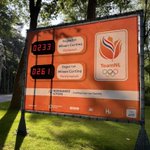
Great sharing experience with a Masterclass on altitude training for the dutch olympic trainers @Papendal Thank you @BernadetvanOs , @WouterRuchtie & @nocnsf for inviting me, it was inspiring !

It is out! Rather proud that we started with the first RSH study in 2011. Now most of the elite athletes i talk to tell me they do some form of RSH

REPEATED-SPRINT TRAINING IN HYPOXIA:
A review by @wattsnow, @AntoineRaberin, @BrocherieF and @GregoireMillet1 with 10 years of perspective
Link to the full article: tandfonline.com/doi/full/10.…

Good news! Two of our articles received enough views to reach the Most Viewed status. Read them here:
onlinelibrary.wiley.com/doi/…
analyticalsciencejournals.on…
#TopViewedArticle @wileyinresearch
@unil

Latest manuscript accepted in @BiolSport : Substances referred to as 'brain doping': prohibited or not in sports?
with a great collaboration with my Polish 🇵🇱 colleagues. Soon online ahead of print!
Back in Magglingen @EHSM_Magglingen for the Swiss Sport Sciences Society #SGS #4s conference.
Moderating and presenting the altitude training session !

Interesting read: “Hemoglobin mass is accurately predicted in endurance athletes”
great collaboration with great Polish colleagues!

More than glad to see this one in print in @JSportsSci @tandfonline! Awesome collaboration with @tomekbielany & @wattsnow. Your next must-read 🏃♂️
tandfonline.com/doi/full/10.…

Excellent way to start the year with a paper accepted: “Hemoglobin Mass is accurately predicted in Endurance Athletes” just accepted in @JSportsSci
Excellent collaboration with @pkasiak1 & team
First day (of 15!) at the @UCI_cycling for the Certificate of Advanced Studies in Cycling Coaching with 17 trainers from 16 different countries!
Very proud to lead that enriching course. Learn more here: unil.ch/cycling
@unil @unilsport

𝘙𝘢𝘱𝘩𝘢𝘦𝘭 𝘍𝘢𝘪𝘴𝘴 retweeted

.
23 authors have published more than one article every day in 2024.
We have just clicked over to 01 Nov 2024. That is, we have done 10 months of this year, which is 305 days.
At various points during the year, we have looked at who has published a lot of papers, or "hyper productive authors" as we have called them.
1️⃣ The left hand side shows all the authors that have published more than 305 articles this year. That is they have published more than one article a day throughout 2024.
The data comes from @Scopus and it includes all articles types. The #Scopus search term is 'PUBYEAR = 2024' and then we just took all the authors that had more than 305 articles.
2️⃣ When we have posted these type of posts in the past, we were criticised as we included all article types. We held the view that it's indexed in Scopus, so we included it. But we do recognise that some of the articles were "Letters" (for example) which may not be recognised as a "proper" article. We know, for example, that when QS Ranking extracts articles from Scopus, it disregards letters.
So, we carried out another search that only looked at articles that were of type 'article'. The Scopus search term is 'PUBYEAR = 2024 AND ( LIMIT-TO ( DOCTYPE , "ar" ) )'
The table on the right hand side shows this data. We have listed the same number of authors as shown in the left hand table.
Nobody has published an 'article' every day in 2024, but not far from it. The top listed author (Tanihuchi) has published 269 "proper" articles. That is, 0.88 articles each day.
Any thoughts, views, comments?

Be part of innovative research in integrative altitude physiology with some of the best research team around: eurac.onboard.org/jobs/zmgzM…
@EURAC
Repeated-sprint training in hypoxia: A review with 10 years of perspective
The full article is now available open access:
tandfonline.com/doi/full/10.…
There you will learn: 🧵

Timing of RSH blocks during a competitive season was not described much since it is merely based on empirical observations. However, you may think about the output/objective mechanisms involved (e.g., muscle oxygenation).