

Lifter | Guitar shredder | Bioenergetics | Sugar Enjoyer Optimizing Metabolism, Hormones And Body Composition
Joined March 2026
- Tweets1.9K
- Following185
- Followers2.9K
- Likes3.8K





Pinned Tweet
Over my lifting journey, I made mistakes that cost me YEARS of progress
5 things I'd tell anyone starting out:
- Don't fast too hard. And never do intense fasted cardio
- Don't egolift, and don't go to true failure every session. Technique is king
- Let progressive overload come naturally. If technique broke when increasing weight, it's not real progression
- NEVER go low carb. Under any circumstances. Carbs are your best friend
- Have fun. Do exercises and splits that you enjoy. This is what keeps you consistent for years

How to skyrocket your gym progress:
- Train in the afternoon/early evening (3PM-7PM). Core body temp peaks here, and so does strength
- Training at night is super satisfying but can easily fuck up your sleep, as the stress hormone spike takes 1-3 hours to come down. Some people are way more sensitive to this than others. Do at your own risk
- Warm up properly so that you can start strong in your first set. Long static stretches are trash tho. Ramp-up sets + mobility are the best warm up combo
- Stop timing your rest. Rest intuitively instead. Some sets are harder than others, so rest should adapt accordingly
- Consume intraworkout carbs + electrolytes. The boost from this is insane
- Only go to true failure if volume is low. Aim to leave 1 rep in the tank if volume is higher
- Stop egolifting, technique goes first. Egolifting gets you nowhere
- Run 3-5 month blocks with the same days and exercises. Get brutally strong at them through progressive overload. Then, change them all and repeat
- Track your lifts so that you can see if you're progressing or not. There are tons of phone apps that make this really simple
- Aim for the maximum recoverable weekly volume for each muscle
- Adapt to your life. Someone unemployed eating and resting all day can lift 5-6x a week effectively. Someone working full time probably can't. Recovery is part of the program, and if your lifts stall and everything aches, you should lower the volume
- Start eating a lot more carbs in your diet. They will carry you to the win. And don't be scared, getting fat through carbs is difficult, much more when you're lifting constantly
- Protect your sleep with your life. The most crucial part of your recovery

Warning: too much sugar gave me some nasty side effects
- Haven’t missed a morning wood in months
- Too much energy, can't stop doing things
- Metabolism so fast I now cut on 3.2K calories
- Hands and feet warm all the time
- PRs every week, running out of plates in my gym
- Sleeping through the night like a baby
- 2 easy bowel movements a day
- Resilient as hell, zero pointless stress
- Completely forgot what brain fog is
So be careful about it
Otherwise you'll achieve the same nasty side effects in no time
A daily low dose of tadalafil increased lean mass in men in 2 months
The subjects were 43 men, averaging 48 years of age, with mild ED or urinary symptoms
Half took 5 mg tadalafil daily, half took 20 mg as needed (before sex). Calories stayed the same for both groups
The daily group gained abdominal lean mass. The researchers attributed it to:
- Lower estradiol
- Higher insulin secretion
- Improvement of endothelial function
2 months after they stopped taking it daily, lean mass went back to baseline
In the other part of the study, they used mouse muscle cells
There, tadalafil increased androgen receptor expression in muscle cells by about 2.8x and increased myogenin, a protein that drives muscle cell development

Astaxanthin is also why I don't fear salmon
Salmon is high in PUFA. On paper, that means it should be avoided. But salmon’s fat comes packaged with its own protection: astaxanthin + vitamin E
Astaxanthin is what makes salmon red. Wild salmon get it by eating krill and shrimp that eat the microalgae that make it, and it builds up in the flesh right next to the fats it protects
But one thing is true: quality is everything when it comes to salmon
Wild salmon:
- Wild sockeye has around 25–37 mg of astaxanthin per kg
- It also has less fat overall, and barely any linoleic acid
Farmed salmon:
- Farmed Atlantic salmon has around 6–8 mg of astaxanthin per kg, which comes from synthetic astaxanthin added to its feed for color
- Farmed salmon has about 2-3x the fat, because it’s fed fish meal mixed with vegetable oils
- In one analysis, linoleic and alpha-linolenic acid made up about 20% of farmed salmon’s fat vs. under 2% in wild
Both have similar vitamin E levels, but in wild salmon the extra astaxanthin helps clear more oxidative stress, so less vitamin E gets used up
Hence why I think some quality salmon every now and then won't do much harm. And when eaten raw you're also avoiding any extra oxidation from the heat (like in sushi)
Algae make this compound to survive UV and oxidative stress
Inside your body, it protects EVERY cell membrane it touches
Astaxanthin is a carotenoid that can't be turned into vitamin A (which is a good thing)
It’s mainly made by microalgae (like Haematococcus pluvialis) that produce it to protect themselves from UV and oxidative stress
What makes it different from other antioxidants is its shape
It’s long enough to span the entire cell membrane, meaning it protects the fats across the whole cell membrane
Once there, it neutralizes reactive oxygen species like singlet oxygen, and free radicals like peroxyl and hydroxyl radicals
These are the same molecules that would start lipid peroxidation. Astaxanthin doesn't let them
Other things astaxanthin does:
- Unlike beta-carotene, it doesn’t turn pro-oxidant at higher doses
- It builds up, and unlike beta-carotene, that’s a good thing. More protection against lipid peroxidation
- It crosses the blood-brain barrier and the blood-retina barrier, so it protects the brain and eyes too
Human studies have shown reduced markers of lipid peroxidation, less eye strain, and improvements in skin moisture and elasticity from astaxanthin
Common supplementation doses are 4-12 mg. Most of the effective trials used 6-12 mg. Always taken with a fatty meal since it’s fat-soluble

Here's one of the best things you can do for your health right now regarding diet
Macro split:
- Carbohydrates: 55% of calories
- Fat: 20% of calories
- Protein: 25% of calories
On an 80kg human with a maintenance of 2,500 calories, this looks like:
- 1375 calories coming from ~345g of carbs
- 625 calories coming from ~155g of protein
- 500 calories coming from ~55g of fats
How to pick your carbohydrates:
- Simple sugars over starches. Milk, fruit, sweet coffee
- Suppress starch consumption to only 2-3 starch-based meals a day
- The other meals will be sugar-based, with no starch
How to pick your proteins:
- Dairy mostly. Milk and cheese
- Gelatin and collagenous cuts every day to get more glycine in
- Muscle meats and organ meats in moderation
How to pick your fats:
- Saturated fats. Butter, coconut oil, cheese
- Monounsaturated fats can be okay, like EVOO
Activity levels:
- 6-10k steps a day is a MUST
- Gym 3-4x week is a nice addition, but not necessary
Meal timings:
- Eat 5 times a day, roughly every 3-4 hours. Long gaps drop your blood sugar, and your body covers that with adrenaline and cortisol
- Eat within an hour of waking. You’re coming off the longest fast of your day. Something very light like a glass of juice or milk is perfect
- Sugar-based meals early in the day and in between meals (milk, fruit, sweet coffee). They hit fast and keep energy steady through the day
- Starch-based meals at lunch and dinner, paired with your fat. They digest slower and carry you longer, especially overnight
- A small sugar + protein snack before bed if you wake up at night (milk and honey, or fruit with cheese)
Example day:
- Breakfast: sugar-based
- Mid-morning: sugar-based
- Lunch: starch-based
- Afternoon: sugar-based
- Dinner: starch-based
This is a great blueprint for someone who wants to lose body fat while keeping their energy levels and their body temperature high. Probably something I would give my coaching clients
Then, why do I give all this away for free?
Because coaching is all about ADAPTING
This blueprint is STIFF. If there is something you can't fit in your every day life, it all crumbles
Say milk wrecks your stomach. Now 30% of your protein and half your carbs are gone
Say you work nights and eat at 2am. Say fruit gives you gas, or that you’re on a tight budget and can’t afford good cheese and organ meats every week or that you are transitioning from low carb with no idea how to go into high carb
Each one of those cracks the plan a little. Stack two or three and most people just quit and go back to what they were doing before
When I coach someone, the blueprint is the starting point. We look at your temps, pulse, digestion, sleep, energy, and how your body is responding
Then we adjust, adapt, and evolve
Swap foods that don’t sit well. Move meals around your schedule. Find cheaper options that do the same job. Change the numbers when your body tells us to
The goal is that some time from now you’re never “on a diet” ever again
You’re just living normally, and you’re warmer, leaner, and have more energy than you’ve had in years, while not even caring that much about what you eat... because you now understand how to read your body and how to act accordingly
That is priceless. A thing you learn once in your life, and never again forget
If this sounds good, DM me "WARM" and tell me more about yourself

TD retweeted

Loved it. Most complete and easiest to understand article if your seeking for some solution to your metabolism issues. Took me 2 coffees with milk and sugar, though 🤭
Many thanks for this one 🙏🏻🙏🏻🙏🏻@thyroiddriven
Algae make this compound to survive UV and oxidative stress
Inside your body, it protects EVERY cell membrane it touches
Astaxanthin is a carotenoid that can't be turned into vitamin A (which is a good thing)
It’s mainly made by microalgae (like Haematococcus pluvialis) that produce it to protect themselves from UV and oxidative stress
What makes it different from other antioxidants is its shape
It’s long enough to span the entire cell membrane, meaning it protects the fats across the whole cell membrane
Once there, it neutralizes reactive oxygen species like singlet oxygen, and free radicals like peroxyl and hydroxyl radicals
These are the same molecules that would start lipid peroxidation. Astaxanthin doesn't let them
Other things astaxanthin does:
- Unlike beta-carotene, it doesn’t turn pro-oxidant at higher doses
- It builds up, and unlike beta-carotene, that’s a good thing. More protection against lipid peroxidation
- It crosses the blood-brain barrier and the blood-retina barrier, so it protects the brain and eyes too
Human studies have shown reduced markers of lipid peroxidation, less eye strain, and improvements in skin moisture and elasticity from astaxanthin
Common supplementation doses are 4-12 mg. Most of the effective trials used 6-12 mg. Always taken with a fatty meal since it’s fat-soluble
Some studies you can check to realize astaxanthin is absolutely GOATED
On membrane protection:
Beta-carotene and lycopene disrupted the cell membrane and increased lipid peroxides by over 85%. Astaxanthin kept the membrane intact and lowered them
cyanotech.com/pdfs/bioastin/…
Astaxanthin protected fats from oxidation as well as vitamin E. Beta-carotene was much weaker
publicatt.unicatt.it/handle/…
Against unstable molecules:
Compared against vitamin C, vitamin E, CoQ10, polyphenols and other carotenoids, astaxanthin was the strongest singlet oxygen quencher
cyanotech.com/pdfs/bioastin/…
Lipid peroxidation in humans:
40 healthy young men, 8 mg/day for 3 months. Lower plasma hydroxy fatty acids, which form when linoleic acid oxidizes
nutraingredients-usa.com/Art…
30 adults aged 50–69, 6 or 12 mg/day for 12 weeks. Astaxanthin built up in red blood cells and lowered their lipid peroxides vs. placebo
chiro.org/nutrition/ABSTRACT…
On eye protection:
Screen workers taking 6 mg/day for 4 weeks had significantly less eye fatigue, measured both by focusing tests and by how they felt
researchgate.net/publication…
On skin protection:
65 women, 6 or 12 mg/day for 16 weeks. Wrinkles and skin moisture got worse in the placebo group but not in the astaxanthin groups
pmc.ncbi.nlm.nih.gov/article…
One of the best things you can do for your glucose metabolism and overall health:
Protect your insulin sensitivity. Keep it sharp
- Walk for 10–15 min after your biggest meals
- Build and keep muscle. It’s your biggest glucose sink
- Get your sleep right. One bad night measurably worsens insulin sensitivity
- Eat enough. Chronic undereating raises cortisol and adrenaline, which work against insulin
- Support your thyroid
- Pair carbs with protein instead of eating them alone
- Get magnesium in: fruit, potatoes, dairy, cocoa
- Get potassium in: potatoes, oranges, bananas, coconut water. Low potassium impairs insulin secretion and glucose uptake
- Cut down on seed oils. High PUFA intake is linked to impaired glucose handling
- Manage chronic stress. Stress hormones are anti-insulin by design
- Don’t fear sugar
- Read my article. Link in the post below
As I dove deeper into health I realized how essential glucose oxidation is
Fixing your thyroid, gut, liver, or mitochondria all leads to the same place:
Better glucose metabolism (and a shift away from fat metabolism)
I just finished writing an article on why glucose is the best fuel, what happens when glucose metabolism breaks, and how to fix it and reap its benefits
It's a little long, but it's a great read
The link is down below!

Not every calorie you eat makes it to your cells
Some get stolen along the way
Your gut burns part of what you eat just to fuel itself.
Bacteria ferment what your gut couldn’t absorb fast enough
And your body is always spilling energy out, in the form of heat
Focus on closing the energy leaks: Support your digestion, stay warm, minimize bacterial fermentation
More energy available to your cells means more energy you can enjoy

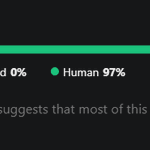
Completely written by me btw. Substack knows it
(I have no idea how I achieved 97% human)
Go read my new article. It is advised to bring a snack to enjoy the read

As I dove deeper into health I realized how essential glucose oxidation is
Fixing your thyroid, gut, liver, or mitochondria all leads to the same place:
Better glucose metabolism (and a shift away from fat metabolism)
I just finished writing an article on why glucose is the best fuel, what happens when glucose metabolism breaks, and how to fix it and reap its benefits
It's a little long, but it's a great read
The link is down below!
TD retweeted

Coke is not peaty:
Coke’s main ingredient, phosphoric acid, is 100% bioavailable VS meat’s 30% bioavailable phosphorous.
This means 1L of coke has the same phosphorous as 240g (9oz) of steak.
Drink coca cola in moderation


Dial in your circadian rhythm. It’s life changing
Rise with the sun and you will get BLESSED with its power
Hunger, energy, strength, focus, all sharpen immensely. It’s genuinely the highest ROI habit there is
The rest of the day feels effortless. At night, go to bed as soon as you start yawning
And that's basically the whole thing
Stupid simple, and more powerful than any supplement out there
Humans evolved under the sun and moon. It's all still in your DNA. Why fight it?
“Hypothyroid people lose more magnesium” gets repeated a lot
It’s actually the opposite. HYPERthyroid people are the ones who dump it faster through the kidneys
In hypothyroidism, excretion usually slows down, and serum Mg is often normal (or even slightly high)
But blood levels don’t tell the whole story. ~99% of magnesium lives inside cells, and keeping it there depends on cellular energy, which is exactly what’s lacking in hypothyroidism
So “normal” blood Mg can coexist with cells that are low on it!
People with low Mg have higher rates of hypothyroidism and thyroid antibodies, so deficiency may be part of what slowed the thyroid down in the first place
Meaning low Mg is likely a cause AND an effect
Supplementing it still makes sense since you give your cells more chances to pick it up from the blood
Ray on lithium is one of his most underrated takes
His proposed mechanism: lithium binds ammonia, which the brain produces under fatigue and which mimics serotonin’s effects
Ammonia and serotonin both drain mitochondrial energy, so binding it up leaves more energy for adaptation
It also calms the NMDA (excitatory) system, and he suggested it acts like sodium, another anti-stress angle
Overall, lithium’s biochemistry overlaps with progesterone’s, with one key difference Ray did point out:
- Lithium suppresses the thyroid, while progesterone supports it
Still, supplementing low doses of lithium (1-5 mg/day) for a short period of time could be worth trying for some people
But because lithium works partly by mimicking sodium, increasing your sodium intake could bring similar benefits to lithium while being much safer for the body

Here's an interesting study on low-dose lithium promoting longevity
Very interesting molecule
pubmed.ncbi.nlm.nih.gov/2130…

This toxin messes with insulin sensitivity so heavily that a tiny dose was enough to make healthy people insulin resistant
Endotoxin
Endotoxin binds TLR4 on your cells, which switches on inflammatory signaling. That signaling interferes with the insulin receptor pathway, so cells respond less to insulin
Cells that can’t take in glucose switch to burning fat instead, a fuel that produces less energy per second
On top of that, endotoxin also damages the mitochondrial structure directly (specifically cardiolipin)
As an end product, the metabolic rate slows down
In mice, raising endotoxin to the levels seen after a high-fat diet was enough to cause weight gain and insulin resistance on its own
And, as I mentioned at the start, a low dose of endotoxin was enough to induce insulin resistance in healthy humans
The worst part is that this can become a self-reinforcing loop
A slower metabolism slows gut transit -> slower transit gives bacteria more time to grow and release endotoxin -> more endotoxin lowers metabolism
The 2 main things you can do about endotoxin:
- Support your liver function
- Repair your gut lining
This way more endotoxin can be neutralized and less enters the bloodstream in the first place
Many people are living with chronic endotoxemia and have no idea why they can't handle carbs or why they feel so tired all day
