





Miguel Miranda retweeted

We're cooked.
terminal2shell.com

Miguel Miranda retweeted

i'm a solo dev and i built an infinitely evolving backrooms game and released it on the web.
35,000 players and ~9,600 hours played. these are my metrics under 36 hours of launch.
each blue dot below is a player on the map i recorded a moment ago. there's ~1,200 players playing the game at THIS moment. SIMULTANEOUSLY. let that sink in.
this is incredible. we're entering a new era for sure.
note for video: only shows 200 players in total because my server chunks the shared space into worlds of 200, so 1200 players would be 6 different worlds and you're seeing one of em.
i'm building out a shared space server that can sustain 2000 players in a single world. launching real soon.

Miguel Miranda retweeted

Portainer’s CEO says Docker users should start planning their move to Kubernetes.
Neil Cresswell says he can no longer recommend Docker long term, citing security concerns around autonomous apps and AI agents.
Portainer 3 will focus new features on Kubernetes. Docker, Swarm and Podman will keep receiving bug and security fixes.
The separate Community Edition is also ending, with CE 2.45 as its final release.
Portainer-D2K offers a migration path that lets users keep familiar Docker tooling on Kubernetes.
Full story: portainer.io/blog/portainer-…


Miguel Miranda retweeted

STOP BURNING OPUS ON F*CKING GREP
Opus 5.5 is your most expensive brain. Stop making it read 2,000-line files and 37 grep hits.
Claude Code subagents fix this.
Opus 5.5 plans the job, then hands off the dirty work.
Haiku 5.5 subagents search the codebase in their own context windows.
Sonnet 5.5 subagents patch and double-check.
A PostToolUse hook runs your tests after every edit.
Only short summaries come back to Opus. The raw sh*t never touches the main context.
You set it up like this:
/agents
The full tree
> Opus 5.5 main session plans + signs off
> .claude/agents/explorer.md → model: haiku · Read, Grep, Glob
> .claude/agents/fixer.md → model: sonnet · Read, Edit, Bash
> .claude/agents/checker.md → model: sonnet · cross-checks every patch
> settings.json → PostToolUse hook runs tests after each edit
> every subagent gets its own context window
> Opus reads summaries only, never raw output
Paste the tree + this prompt into Claude Code ↓
Set up my Claude Code project around this tree:
Create 3 subagents in .claude/agents/:
explorer (model: haiku, tools: Read, Grep, Glob) searches the codebase and returns a summary under 200 words.
fixer (model: sonnet, tools: Read, Edit, Bash) makes the smallest patch that fixes the issue.
checker (model: sonnet, tools: Read, Bash) reviews every patch against its callers and reports regressions.
Add a PostToolUse hook in .claude/settings.json that runs my test command after every Edit/Write.
Main session stays on Opus 5.5: plan, delegate, read summaries only, sign off.
Show me every file as a diff before writing it.
save it, it'll come in handy.

Miguel Miranda retweeted

‼️ Storage maker QNAP says customers who ran an old Plex media server open to the internet should assume their NAS has been hacked.
Attackers chain four Plex flaws, dubbed Plex2Shell, to run their own code on the server without logging in. QNAP says hijacked servers have been used to mine crypto and run proxy software.
Some QNAP users' Plex servers already appear compromised. CISA lists the flaws as actively exploited.
Plex fixed them in August with version 1.43.3.10861. Updating now won't remove what attackers installed, so QNAP says to reinstall and reset NAS and Plex passwords.


Miguel Miranda retweeted

Turn a single image into a 3D world you can explore with Lyra 2.0.
By combining video generation with 3D reconstruction, our researchers create environments along a camera path you choose. Lyra draws on earlier views and learns to correct accumulating visual errors, helping the world stay consistent as you explore and return to familiar places.
Paper, code, and demos: nv-tlabs.github.io/Project-L…
Miguel Miranda retweeted
‼️ Revolut says it cut AI coding costs about 10x by making a self-hosted Chinese model its default in place of Claude Code.
It runs Z ai's GLM on its own Nvidia GPUs for about $0.30 per million tokens.


Miguel Miranda retweeted

Cities, cars, trucks, busses, trains, headlights, break lights, turn signals, water, clouds, rain, bridges, < 500k, no libraries #webgpu
greggman.github.io/gen-city-…
Miguel Miranda retweeted

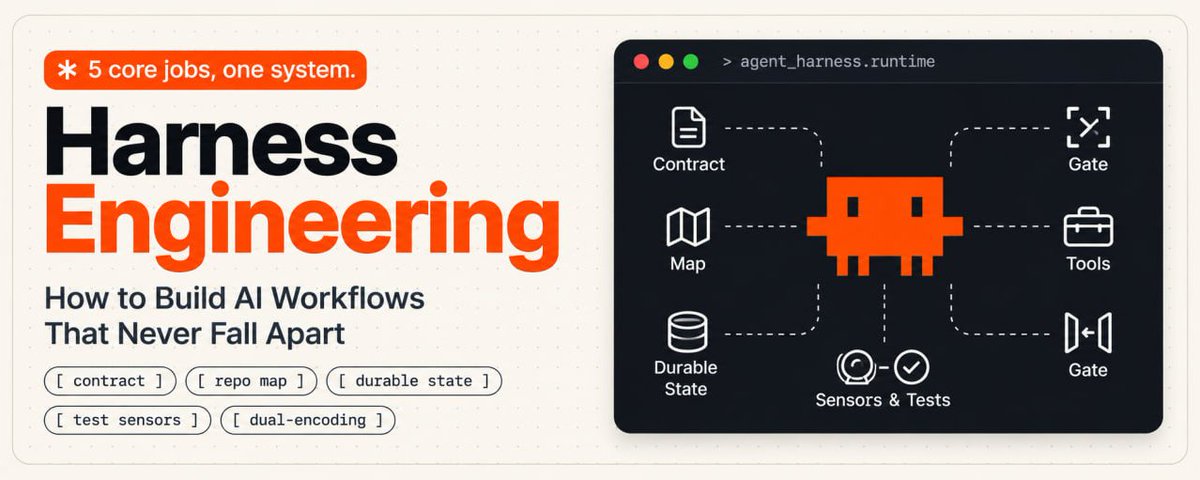
Harness Engineering 2.0 is here!
We benchmark models all the time but the harness running the model can dramatically improve the result, cost, and execution time too.
And finally, devs just open-sourced Harness Arena, where you can test the same task across multiple harness and model combinations side by side.
You provide one task and then run it across several model x harness configs that you want to test.
Every config receives the same prompt, files, tools, skills, and evaluation checks. Harness Arena then returns:
- total cost
- execution time
- whether the task passed
- files and artifacts produced
If you want to try it yourself, it is implemented within the open-source HarnessRouter project.
Here's the repo: github.com/HarnessRouter/har…
(don't forget to star it ⭐ )
HarnessRouter is a plug-and-play infrastructure layer that lets you run any harness under a single interface, like:
- Codex
- Hermes
- Claude code
- DeepSeek Harness
- System One, powered by Jev
- And 25 more agent harnesses
In Harness Arena, the cheapest run does not automatically win.
A config must complete the task correctly first. Cost and execution time are compared only among the configurations that pass.
Here's the result from one Harness Arena test:
- Hermes + GPT-5.2: 5/5 successful runs using 0.47 credits
- Claude Code + Opus 4.8: 3/5 successful runs using 223 credits
That is around 474x difference in credits, while the more expensive configuration also failed two runs.
You can keep the model fixed to measure how much the harness changes the result. Or vary both to find the best harness and model pairing for that task.
This helps answer practical questions such as:
- Should this task run on Codex or Claude?
- Can a cheaper config still pass every check?
- Which setup is best to handle this workload?
Once you find the best config, you can run future tasks through it using the same Unified Harness Protocol (UHP) interface for sessions, streaming, files, artifacts, cancellation, and failures.
So you are no longer choosing an agent stack based only on a model leaderboard.
Instead, you can benchmark the complete runtime on the task your product actually needs to solve.
To dive deeper, my co-founder wrote an article explaining why model routing is different from harness routing, how UHP works, and what supporting multiple agent runtimes involves.
It also covers the local setup, a working request, and how sessions and files move through the system.
Read it below.


Miguel Miranda retweeted

Four weeks of wall squats reduced systolic blood pressure by nearly 10 points in adults with high blood pressure.
Researchers then compared continuing three sessions weekly with reducing to two, one, or none for another month. Systolic pressure remained roughly 7 mmHg below starting levels in the once- and twice-weekly groups. Continuing three sessions weekly produced the greatest reduction of about 14 mmHg. In those who stopped completely, blood pressure moved back toward baseline.
This fits with a previous analysis of randomized trials that identified isometric exercise, which involves holding a muscle contraction, as an effective way to lower resting blood pressure.
What interests me is the practical question - how much of an exercise benefit can we preserve when we temporarily have less time? This study suggests that reducing the frequency can retain part of the benefit for up to a month.

Miguel Miranda retweeted

🚨 NVIDIA JUST OPEN-SOURCED A SEMANTIC LAYER FOR AI AGENTS
It’s called Auto Ontology, and it tackles a problem that better SQL alone won’t fix.
An agent can query the right database and still return the wrong answer.
Why?
Because “revenue” might mean something different in every system.
Auto Ontology is a Python framework that builds shared context over enterprise metadata:
→ Entities and business metrics
→ Relationships between data
→ Certified definitions and lineage
→ Provenance behind answers
It can generate ontologies from metadata, connect existing semantic models, and reconcile conflicting definitions.
For structured data, it also supports natural-language-to-SQL with validation against the ontology.
Agents can access that context through MCP, CLI, or API.
The useful shift: giving agents access to business meaning alongside the data.
Open source under Apache 2.0.
Repo link in 🧵 ↓

Miguel Miranda retweeted

BREAKING: Revolut moved ~2,000 engineers onto self-hosted GLM for coding and pushed Claude Code and Codex to the exception list.
Per David Abitbol, who leads AI ops there: 56 Nvidia B200s, a blended 30 cents per million tokens, roughly a tenth of what they paid Anthropic and OpenAI. Engineering lead time improved 70%.
Here's the part that matters: the gains showed up when tokens stopped being rationed. Engineers quit saving AI for the hard tickets and pointed it at everything.
Frontier models become the exception, open weights become the default. That's a pricing problem for every lab heading to IPO.
h/t @OliverMolander
Would you move your team off frontier APIs if the bill dropped 90%?

Miguel Miranda retweeted

10 GitHub repos every AI developer should know before putting an AI app into production.
Building an AI application is one thing. Making sure it stays reliable, accurate, and cost-efficient is another.
These open-source tools help you understand what's happening behind the scenes:
1. Langfuse
Track LLM calls, prompts, performance, and costs.
github.com/langfuse/langfuse
2. Arize Phoenix
Trace AI workflows and debug retrieval problems.
github.com/Arize-ai/phoenix
3. Promptfoo
Test prompts, compare model outputs, and catch regressions.
github.com/promptfoo/promptf…
4. DeepEval
Evaluate LLM responses, hallucinations, and RAG performance.
github.com/confident-ai/deep…
5. TruLens
Check whether your RAG application retrieves relevant information and generates grounded answers.
github.com/truera/trulens
6. LiteLLM
Connect multiple LLM providers through one API with routing and spend tracking.
github.com/BerriAI/litellm
7. Helicone
Monitor LLM requests, latency, usage, and spending.
github.com/Helicone/helicone
8. MLflow
Track experiments and evaluate machine learning and LLM applications.
github.com/mlflow/mlflow
9. OpenLIT
Monitor LLM traces, metrics, and GPU usage with OpenTelemetry.
github.com/openlit/openlit
10. Oxylabs Web API MCP
Bring live web search and extracted data into AI workflows.
github.com/oxylabs/web-api-m…
A working AI app is just the beginning.
You also need to know when it gives poor answers, where it spends money, and what needs fixing.
That's what separates a quick AI prototype from a reliable product.
Save these repos before your next AI deployment. 🔖

Miguel Miranda retweeted

NVIDIA Open-Sources Auto Ontology, a Semantic Layer for AI Agents
Your boss asks the AI agent: "What was revenue last quarter?"
It answers in 3 seconds. Clean number. Nice chart.
But it used the wrong "revenue" column. 𝗡𝗼𝗯𝗼𝗱𝘆 𝗻𝗼𝘁𝗶𝗰𝗲𝘀.
That's the problem NVIDIA's new open-source library, Auto Ontology, goes after. Its README puts it plainly:
"…𝘢 𝘳𝘦𝘷𝘦𝘯𝘶𝘦 𝘮𝘦𝘵𝘳𝘪𝘤 𝘢𝘯𝘴𝘸𝘦𝘳𝘦𝘥 𝘧𝘢𝘴𝘵𝘦𝘳 𝘪𝘴 𝘸𝘰𝘳𝘵𝘩 𝘯𝘰𝘵𝘩𝘪𝘯𝘨 𝘪𝘧 𝘵𝘩𝘦 𝘯𝘶𝘮𝘣𝘦𝘳 𝘪𝘴 𝘸𝘳𝘰𝘯𝘨."
𝗪𝗵𝗮𝘁 𝗶𝘁 𝗶𝘀:
A "context layer" that sits between an AI agent and your database. It tells the agent where the data lives, what each field means, and whether to use it.
𝗛𝗼𝘄 𝗶𝘁 𝘄𝗼𝗿𝗸𝘀, 𝘀𝘁𝗲𝗽 𝗯𝘆 𝘀𝘁𝗲𝗽:
• 𝗗𝗶𝘀𝗰𝗼𝘃𝗲𝗿: it reads your database metadata and drafts an ontology, a map of business terms like "active customer"
• 𝗚𝗿𝗼𝘂𝗻𝗱: agents use those terms instead of guessing from raw table names
• 𝗩𝗮𝗹𝗶𝗱𝗮𝘁𝗲: it checks generated SQL against certified definitions
• 𝗘𝘅𝗽𝗼𝘀𝗲: agents reach it through MCP, a CLI or an API
• 𝗟𝗲𝗮𝗿𝗻: certified corrections go back into the map
𝗙𝗼𝗿 𝘂𝘀𝗲𝗿𝘀:
Ask a question, get 𝘁𝗵𝗲 𝗮𝗻𝘀𝘄𝗲𝗿, 𝘁𝗵𝗲 𝗦𝗤𝗟 𝗶𝘁 𝗿𝗮𝗻, 𝗮𝗻𝗱 𝘁𝗵𝗲 𝗿𝗼𝘄𝘀. You can check the work, not just trust it.
𝗙𝗼𝗿 𝗯𝘂𝗶𝗹𝗱𝗲𝗿𝘀:
• Apache 2.0, runs with Docker Compose or Helm
• Works with Databricks, Postgres, Snowflake and DuckDB
• Defaults to NVIDIA's Nemotron models, but 𝗮𝗻𝘆 𝗢𝗽𝗲𝗻𝗔𝗜-𝗰𝗼𝗺𝗽𝗮𝘁𝗶𝗯𝗹𝗲 𝗲𝗻𝗱𝗽𝗼𝗶𝗻𝘁 𝘄𝗼𝗿𝗸𝘀
• The MCP server has 𝟵 𝗿𝗲𝗮𝗱-𝗼𝗻𝗹𝘆 𝘁𝗼𝗼𝗹𝘀. There is deliberately no tool to browse raw tables, so agents must go through the business terms
𝗜𝘁 𝗯𝘂𝗶𝗹𝗱𝘀 𝗼𝗻 𝗲𝗮𝗿𝗹𝗶𝗲𝗿 𝘄𝗼𝗿𝗸:
• Cube and dbt MetricFlow: semantic layers you write by hand in code
• Wren AI: an open semantic layer for AI agents, with a context layer built partly by agents
• Snowflake's Semantic View Autopilot: also drafts semantic models with AI, but only for Snowflake
What's different here: 𝗼𝗽𝗲𝗻 𝘀𝗼𝘂𝗿𝗰𝗲, 𝘄𝗼𝗿𝗸𝘀 𝗮𝗰𝗿𝗼𝘀𝘀 𝗳𝗼𝘂𝗿 𝗱𝗮𝘁𝗮𝗯𝗮𝘀𝗲𝘀, 𝗮𝗻𝗱 𝗯𝘂𝗶𝗹𝘁 𝗳𝗼𝗿 𝗮𝗴𝗲𝗻𝘁𝘀 𝘁𝗵𝗿𝗼𝘂𝗴𝗵 𝗠𝗖𝗣.
𝗧𝗵𝗲 𝗵𝗼𝗻𝗲𝘀𝘁 𝗽𝗮𝗿𝘁:
• 𝗧𝗵𝗲 "𝟵𝟬% 𝗳𝗮𝘀𝘁𝗲𝗿" 𝗰𝗹𝗮𝗶𝗺 𝗶𝘀 𝗡𝗩𝗜𝗗𝗜𝗔'𝘀 𝗼𝘄𝗻 𝘁𝗲𝘀𝘁𝗶𝗻𝗴, with no baseline published
• 𝗡𝗼 𝗮𝗰𝗰𝘂𝗿𝗮𝗰𝘆 𝘀𝗰𝗼𝗿𝗲𝘀 𝗮𝗿𝗲 𝗽𝘂𝗯𝗹𝗶𝘀𝗵𝗲𝗱. NVIDIA ships an eval harness (BIRD, 1,534 questions) but no results
• That harness was tested with 𝗖𝗹𝗮𝘂𝗱𝗲 𝗢𝗽𝘂𝘀 𝟰.𝟴, 𝗻𝗼𝘁 𝗡𝗲𝗺𝗼𝘁𝗿𝗼𝗻
• 𝗪𝗶𝘁𝗵𝗼𝘂𝘁 𝗛𝗮𝘀𝗵𝗶𝗖𝗼𝗿𝗽 𝗩𝗮𝘂𝗹𝘁, 𝗱𝗮𝘁𝗮𝗯𝗮𝘀𝗲 𝗽𝗮𝘀𝘀𝘄𝗼𝗿𝗱𝘀 𝗮𝗿𝗲 𝘀𝘁𝗼𝗿𝗲𝗱 𝘂𝗻𝗲𝗻𝗰𝗿𝘆𝗽𝘁𝗲𝗱 in Postgres (per the README)
• It's young: 𝗮𝗯𝗼𝘂𝘁 𝟳𝟱𝟬 𝗚𝗶𝘁𝗛𝘂𝗯 𝘀𝘁𝗮𝗿𝘀, and NVIDIA isn't accepting outside contributions
𝗧𝗵𝗲 𝗯𝗶𝗴𝗴𝗲𝗿 𝗽𝗼𝗶𝗻𝘁: the hard part of AI analytics isn't writing SQL. 𝗜𝘁'𝘀 𝗮𝗴𝗿𝗲𝗲𝗶𝗻𝗴 𝗼𝗻 𝘄𝗵𝗮𝘁 𝘁𝗵𝗲 𝘄𝗼𝗿𝗱𝘀 𝗺𝗲𝗮𝗻.
GitHub: github.com/NVIDIA/auto-ontol…
Links in reply 👇

Miguel Miranda retweeted

NuGet vulnerable with Microsoft.Data.SqlClient 7.1.1 depending on System.Security.Cryptography.Pkcs 9.0.18 stackoverflow.com/q/80013443…
Miguel Miranda retweeted

80,000 lines of code. 92,000 trees. Real-time ray tracing.
Two weeks of development using Claude Code to build a complete off-road racing game from scratch on a custom C++/Vulkan engine.
Source:
github.com/markaren/threepp
Miguel Miranda retweeted

スマホの傾きに合わせて、絵が回るようにしてみた。
3D化しているわけではなく、1枚の絵から360°回転の「動画」を作り、傾きに合わせてフレームを前後させて、立体っぽく見せています。
#MiniMaxH3 + ORB360 LoRA
Miguel Miranda retweeted
‼️ Ubuntu and Red Hat still have no fix for a Linux kernel flaw that Anthropic says its unreleased AI model turned into a remote root exploit.
The bug, CVE-2026-98432, is a use-after-free in the IPv4 TCP handshake, rated 9.8 out of 10.
The exploit needs no credentials and targets servers with a multipath TCP listener, which Go 1.24 and later open by default.
The fix reached stable kernels on 11 October and Debian has shipped it. Ubuntu still marks every release from 16.04 to 26.10 vulnerable.
Red Hat now rates it Critical but has no patched kernel for RHEL 8, 9 or 10.
Anthropic has not released the exploit. By its count, it takes 48 minutes to leak a kernel pointer and five more to run commands as root.


Miguel Miranda retweeted

What a disaster atlasum.net/blog/cve-2026-98…

Miguel Miranda retweeted

Hard to overstate how big of a deal this is.
tl;dr — ANY unpatched Linux server with even a single TCP port exposed to the internet (say for HTTP or SSH) and MPTCP active (default for many Go web servers) is vulnerable to complete takeover.

What a disaster atlasum.net/blog/cve-2026-98…