








leigh retweeted

I used to think I was creative.
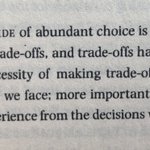
Then I read Rick Rubin's revolutionary book on the creative process.
He routinely asks 13 questions to unlock artistic potential & spark innovation.
Test yourself with these questions (it's the ultimate creativity boost for your art & business):


leigh retweeted

I’ve been thinking about material success a lot this week.
Hustle & grind culture doesn’t really seem to have an end-point.
It’s not very cool to say you’re satisfied with what you’ve got.
In fact, I’ve never seen someone post online “I’m done with trying to acquire more wealth or material growth”.
Now maybe this because I’m looking at the wrong people.
But what seems more likely is that people don’t like admitting that they’re happy with their lot.
Or maybe they don’t ever realise that they are.
“Nah I’m good with where I’m at” isn’t a very celebrated achievement in 2024.
Mimetically, this encourages everyone to continue chasing more wealth, because it looks like everyone else is happy doing that too.
It’s like we’re gaslighting each other into believing that the endless pursuit of more resources is a good life-strategy.
There aren’t many places in modern culture for someone without blue-sky material desires.
It’s difficult to make a frugal heart look sexy.
Especially in a meritocracy.
But from how I see it, a frugal heart is a competitive advantage.
Let’s say that you will be 90% monetarily satisfied when you earn £50,000 a year.
And your friend won’t get the equivalent satisfaction until they earn £500,000 a year.
Who is in the stronger position?
Well from the outside, the person earning half a million looks more successful.
But there’s a huge difference in how much effort they’ve had to expend to get to the same level of monetary satisfaction as you.
If the goal of acquiring wealth is to make your life happier, more satisfied, more liberated and more comfortable, then should people who chase more wealth be pitied?
“How unfortunate for you to have all this money, and still need more.”
Money is a tool, not a god.
It’s a means to the end.
It HAS to be a means to an end, because if it’s not in service of something else, you’ll chase more money forever.
If it’s a competition, you’ll never win.
Millionaires are envious of the billionaires.
You are no less successful because your happiness arrives at an early point than someone else.
Let go of the chase as soon as you can.
“Money is like gasoline during a road trip … You don’t want to run out of gas on your trip, but you’re not doing a tour of gas stations. You have to pay attention to money, but it shouldn’t be about the money.” — @timoreilly

leigh retweeted

The anti-smartphone movement will be one of the biggest movements of our time. It's just getting started...


leigh retweeted

Being busy is a form of laziness—lazy thinking and indiscriminate action.
Being busy is most often used as a guise for avoiding the few critically important but uncomfortable actions.


leigh retweeted

"To play a wrong note is insignificant. To play without passion is inexcusable." - Beethoven


leigh retweeted
The reason to deliberately do hard things is so that when non-self-elected challenges arrive (& they will), you can tell yourself: “I don’t know how this is all going to turn out, but I am certain I can do hard things.” Don’t self injure. But doing hard things is always worthwhile.






leigh retweeted

Every form of social connection is materially down over the past 20 years.
We are in a loneliness epidemic.

leigh retweeted

The temptation is to show your adversaries your strength and hide your weaknesses. It is much more effective to show them your weaknesses and hide your strength.


leigh retweeted
“The problem is no longer getting people to express themselves but providing little gaps of solitude and silence in which they might eventually find something to say.” — Gilles Deleuze

