






Operations are event-driven. Your software should be too.
An order arrives. Stock drops below threshold. A shipment is scanned. A compliance check fails. A customer updates their subscription. Each of these is an event. And each should trigger an immediate, predictable response.
Most operations platforms handle this with scheduled jobs. Check for new orders every 5 minutes. Run the stock check overnight. Process the compliance queue hourly.
That's not event-driven. That's a timer with hopes.
Here's how Keel approaches it:
𝐄𝐯𝐞𝐧𝐭𝐬 𝐚𝐫𝐞 𝐟𝐢𝐫𝐬𝐭-𝐜𝐥𝐚𝐬𝐬 𝐜𝐢𝐭𝐢𝐳𝐞𝐧𝐬
Every meaningful change in the system - an order status update, a stock movement, a workflow transition - produces an event. These aren't logs. They're triggers that other parts of the system can subscribe to and act on.
𝐑𝐞𝐚𝐜𝐭𝐢𝐨𝐧𝐬 𝐚𝐫𝐞 𝐜𝐨𝐧𝐟𝐢𝐠𝐮𝐫𝐚𝐛𝐥𝐞
When an order is created, automatically run validation rules. When stock drops below threshold, notify the procurement team and trigger a reorder workflow. When a compliance check fails, escalate to the right person with full context. You define the reactions. The system executes them.
𝐄𝐱𝐭𝐞𝐫𝐧𝐚𝐥 𝐰𝐞𝐛𝐡𝐨𝐨𝐤𝐬 𝐚𝐫𝐞 𝐛𝐮𝐢𝐥𝐭 𝐢𝐧
Need to notify a 3PL when an order is ready? Push a status update to a customer portal? Sync a record to your accounting system? Fire off outbound webhooks from any event, keeping everything in sync in realtime.
𝐈𝐧𝐛𝐨𝐮𝐧𝐝 𝐞𝐯𝐞𝐧𝐭𝐬 𝐚𝐫𝐞 𝐣𝐮𝐬𝐭 𝐚𝐬 𝐜𝐥𝐞𝐚𝐧
Your e-commerce platform sends an order. Your supplier confirms a shipment. Your 3PL updates a tracking number. Each inbound event triggers the appropriate workflow - validated, logged, and processed consistently.
𝐓𝐡𝐞 𝐚𝐮𝐝𝐢𝐭 𝐭𝐫𝐚𝐢𝐥 𝐢𝐬 𝐚𝐮𝐭𝐨𝐦𝐚𝐭𝐢𝐜
Every event, every reaction, every webhook - logged with timestamp, payload, and outcome. When something goes wrong, you can trace exactly what happened, in what order, and why.
Event-driven isn't a buzzword. It's the difference between an operations system that reacts and one that waits.
---
#events #webhooks #architecture #operations #engineering

"Who can see what?" is a harder question than most operations platforms admit.
👉🏻 Your warehouse team needs to see pick lists but not pricing.
👉🏻 Your ops manager needs to approve exceptions but not change workflow rules.
👉🏻 Your customer service team needs order status but not supplier costs.
👉🏻 Your finance team needs everything, but read-only.
In most systems, permissions are an afterthought. You get "admin" and "user." Maybe a few roles in between. None of them map to how your business actually works.
Here's how we think about it in Keel:
🤏 𝗣𝗲𝗿𝗺𝗶𝘀𝘀𝗶𝗼𝗻𝘀 𝗮𝗿𝗲 𝗱𝗲𝗳𝗶𝗻𝗲𝗱 𝗮𝘁 𝘁𝗵𝗲 𝗱𝗮𝘁𝗮 𝗹𝗲𝘃𝗲𝗹, 𝗻𝗼𝘁 𝘁𝗵𝗲 𝗽𝗮𝗴𝗲 𝗹𝗲𝘃𝗲𝗹
It's not "can this person access the orders page." It's "can this person see the cost field on an order." Granular. Specific. Matched to the actual sensitivity of the data.
🙋 𝗥𝗼𝗹𝗲𝘀 𝗿𝗲𝗳𝗹𝗲𝗰𝘁 𝘆𝗼𝘂𝗿 𝗼𝗿𝗴, 𝗻𝗼𝘁 𝗼𝘂𝗿 𝘁𝗲𝗺𝗽𝗹𝗮𝘁𝗲𝘀
You define what a "warehouse supervisor" or "shift lead" can do - based on your business, not our assumptions about what those roles look like.
🔍 𝗔𝗰𝘁𝗶𝗼𝗻𝘀 𝗮𝗿𝗲 𝘀𝗲𝗽𝗮𝗿𝗮𝘁𝗲 𝗳𝗿𝗼𝗺 𝘃𝗶𝘀𝗶𝗯𝗶𝗹𝗶𝘁𝘆
Seeing data and changing data are different permissions. Your ops team can view the full order pipeline without being able to modify workflow rules. Your finance team can export reports without being able to approve exceptions.
✅ 𝗔𝘂𝗱𝗶𝘁 𝘁𝗿𝗮𝗶𝗹𝘀 𝗮𝗿𝗲 𝗮𝘂𝘁𝗼𝗺𝗮𝘁𝗶𝗰
Every action, every change, every approval - logged. Not because you asked for it, but because operations at scale require accountability.
This matters especially in regulated industries. Pharma, food, energy - where "who approved this" isn't a nice question. It's a compliance requirement.
Permissions shouldn't be a feature you configure once and forget. They should reflect how your business actually operates.
#security #operations #software #compliance #architecture

♻️ D2C operations changed more in the last 18 months than the previous five years.
Here's what we're seeing across the brands we work with:
𝟭. 𝗦𝘂𝗯𝘀𝗰𝗿𝗶𝗽𝘁𝗶𝗼𝗻 𝗺𝗼𝗱𝗲𝗹𝘀 𝗮𝗿𝗲 𝗴𝗲𝘁𝘁𝗶𝗻𝗴 𝗺𝗼𝗿𝗲 𝗰𝗼𝗺𝗽𝗹𝗲𝘅, 𝗻𝗼𝘁 𝘀𝗶𝗺𝗽𝗹𝗲𝗿
Customers expect to pause, swap, skip, bundle, and gift - all from their phones. The operations behind "flexible subscriptions" are anything but flexible for most teams. Every option multiplies the workflow complexity.
𝟮. 𝟯𝗣𝗟 𝗿𝗲𝗹𝗮𝘁𝗶𝗼𝗻𝘀𝗵𝗶𝗽𝘀 𝗮𝗿𝗲 𝗯𝗲𝗰𝗼𝗺𝗶𝗻𝗴 𝗽𝗮𝗿𝘁𝗻𝗲𝗿𝘀𝗵𝗶𝗽𝘀, 𝗻𝗼𝘁 𝗷𝘂𝘀𝘁 𝘀𝗲𝗿𝘃𝗶𝗰𝗲𝘀
The brands winning are the ones with real-time data flowing between their systems and their 3PLs. Not end-of-day CSV uploads. Not "let me check with the warehouse." Live, integrated, bi-directional data.
𝟯. 𝗥𝗲𝘁𝘂𝗿𝗻𝘀 𝗮𝗿𝗲 𝗻𝗼𝘄 𝗮𝗻 𝗼𝗽𝗲𝗿𝗮𝘁𝗶𝗼𝗻𝘀 𝗽𝗿𝗼𝗯𝗹𝗲𝗺, 𝗻𝗼𝘁 𝗮 𝗰𝘂𝘀𝘁𝗼𝗺𝗲𝗿 𝘀𝗲𝗿𝘃𝗶𝗰𝗲 𝗽𝗿𝗼𝗯𝗹𝗲𝗺
Return rates in D2C are climbing. Some brands have automated return flows - restocking, refund triggers, quality checks - built into their operations systems. But many more are feeling the strain of manual processing.
𝟰. 𝗠𝘂𝗹𝘁𝗶-𝗰𝗵𝗮𝗻𝗻𝗲𝗹 𝗶𝘀 𝘁𝗵𝗲 𝗱𝗲𝗳𝗮𝘂𝗹𝘁, 𝗻𝗼𝘁 𝘁𝗵𝗲 𝗲𝘅𝗰𝗲𝗽𝘁𝗶𝗼𝗻
Selling on your own site, Amazon, and retail, simultaneously. Each channel has different fulfilment rules, packaging requirements, and SLAs. Running these as separate workflows is unsustainable.
𝟱. 𝗖𝗼𝗺𝗽𝗹𝗶𝗮𝗻𝗰𝗲 𝗶𝘀 𝘁𝗶𝗴𝗵𝘁𝗲𝗻𝗶𝗻𝗴
Especially in food, supplements, and wellness. Batch tracking, expiry management, and regulatory reporting aren't nice-to-haves anymore. They're table stakes.
The common thread: operations complexity is growing faster than teams can scale.
We're here to help teams figure out how to systematise this complexity - not just throw people at it - so you can be among those companies thriving in 3 years time.

💥 Keel has comprehensive authentication support, making it simple to implement secure user authentication in your applications. Whether you need enterprise-grade SSO or straightforward password authentication, we've got you covered.
What's new?
We're introducing three flexible authentication methods:
1️⃣ Single Sign-On (SSO): Integrate with any OpenID Connect provider (Google, Facebook, GitLab, etc.) through our streamlined abstraction layer. Support multiple providers without wrestling with complex OAuth flows.
🪪 ID Token auth: For developers who need more control, authenticate users with ID Tokens obtained from OpenID Connect providers. Perfect for custom authentication implementations while maintaining security best practices.
🛂 Password auth: A straightforward username/password flow for applications that don't require third-party integration. Simple but secure.
Why it matters?
👉🏻 Industry-standard security: Built on OAuth 2.0 specifications
👉🏻 Rapid implementation: Just add a few lines to your keelconfig.yaml
👉🏻 Maximum flexibility: Choose the authentication method that fits your needs
👉🏻 Zero OAuth headaches: We handle the complex authentication flows for you.
Getting started: Configure authentication in your keelconfig.yaml file. Check out our documentation for more detailed setup instructions for each authentication method.
Security shouldn't be complex. With Keel's authentication services, it isn't.

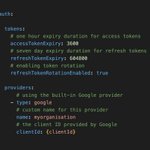
ALT An example of how auth shows up in your Keel schema: total simplicity.
Introducing the Local Console – bringing the full power of Keel's cloud tooling right to your local development environment.
What's new
The Keel Console, which provides features like database management, API exploration, and application monitoring, is now available locally at console.keel.so/local while running 'keel run'. The Local Console automatically updates as you make schema changes, making development seamless and interactive.
Why it matters
Previously, you needed to deploy your code to access Console features. Now you can develop, debug, and explore your application locally with the same powerful tooling you get in production. This means:
Instant access to the database viewer and editor
Real-time API exploration as you develop
Live application monitoring during local development
Dynamic tooling that adapts to your schema changes
Getting started
Just run 'keel run' and visit console.keel.so/local to access your Local Console. No additional setup required – it just works.
This release is part of our ongoing commitment to make local development with Keel not just functional, but truly delightful. Try it out and let us know what you think!


📢 We’re delighted to announce our $6m seed funding from @EarlybirdVC and @localglobevc to help Keel bridge the gap between no-code and ERP software.
🎉 We’ve been working on Keel since 2022 and we’re thrilled to be able to get the word out to more people.
Huge thanks to @tech_eu, @TFNBreakingNews, and @EU_Startups for helping us share the news today 🗞️

Keel retweeted

⛵ Earlybird welcomes @keelteam to our portfolio.
They’ve raised a USD 6M round for their operations platform that bridges no-code solutions and traditional ERP systems with an API-first approach.
👀Read coverage in the thread.
#OperationalExcellence #SeedFunding #EBVCgang

Today we’re opening up Keel with our easiest ever way to get started: a brand new AI-powered backend generator we’re calling Keel Studio.
Keel is the all-in-one, fully functioning backend, complete with database, APIs, auth, permissions, observability and internal tools. All deployed on serverless infrastructure, ready to scale with you.
We’ve heard from our users that they’d like an easier way to get started with Keel.
With Keel Studio you get a deployed production grade and fully customisable backend in minutes all from your browser. Use AI to quickly get started and get your APIs deployed.
If you like what you see and want to do more, it’s easy to move your project to GitHub to get the full Keel experience:
👉🏻 Extend everywhere with Typescript functions
👉🏻 Async events
👉🏻 Manual and scheduled jobs
👉🏻 Multiple environments
👉🏻 Authentication providers
And more…


Our top requested article just landed: how to integrate Stripe with @Keel in just 15 mins. Read and try it yourself here: docs.keel.so/integrating-str…
Thrilled to report that Keel has already proven value to software teams that aim to boost product velocity without sweating the backend details.

The backend-as-a-service world promises so much, but at some point you hit the “BaaS brick wall” and are left facing a mammoth migration project just as the business is starting to really scale.
This is why we built Keel.
keel.so/blog/keel-1-0-announ…
