

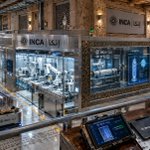


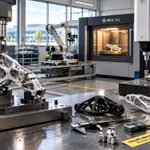


Sovereign deterrence relies on a localized supply of munitions, underpinned by semiconductor packaging, metallurgy casting and propellant mixing.
Partnering with Turkish engineering firms to establish a production hub in Jeddah aligns Saudi Vision 2030 with the TAI 2035 roadmap.


أرقام كبيرة جدا لشركة واحدة فقط لا غير 🔥
هدف شركة الصناعات الجوية والفضائية التركية تصنيع التالي بقدرات محلية حتى عام 2035:
- 150 طائرة حربية قاآن
- 200 طائرة حُرجيت
- 150 طايرة حُركوش
- 10 آلاف طائرة مسيّرة تكتيكية
- 200 مروحية غوك بيه
- 150 مروحية T925 متعددة الاستخدامات
- 100 مروحية هجومية آتاك
- 250 مسيّرة عنقاء3 القتالية النفاثة
- 150 مسيّرة آق صنغور الاستراتيجية
- 150 مسيّرة عنقاء القتالية
- 20 قمرا صناعيا
- 30 برنامج صناعي جديد
وما خفي أعظم 😎
🇹🇷

While Europe enforces strict, rights-based liability and rigorous evidentiary burdens to safeguard consumers, the GCC prioritizes rapid innovation and capital velocity through flexible regulatory sandboxes.


تثير أنظمة الذكاء الاصطناعي إشكاليات قانونية تتعلق بتحديد المسؤولية المدنية عن الأضرار الناجمة عنها، خصوصا مع ما تتسم به هذه الأنظمة من استقلالية نسبية وتعقيد تقني يجعل تحديد الخطأ البشري المباشر أمرا صعبا. الاتحاد الأوروبي اتجه إلى تطوير إطار قانوني يهدف إلى ضمان حصول المتضرر على تعويض فعال مع الحفاظ على مستوى حماية مماثل لما هو مقرر في التقنيات التقليدية.
ومن أبرز الجوانب القانونية التي تناولتها التشريعات الأوروبية مسألة عبء الإثبات وعلاقة السببية، حيث يواجه المتضرر صعوبة في إثبات خطأ منتج أو مشغّل نظام الذكاء الاصطناعي بسبب الطابع التقني المعقّد للخوارزميات. لذلك طُرحت حلول تشريعية مثل إلزام الشركات بالكشف عن الأدلة التقنية أمام القضاء بما يسهل إقامة دعاوى التعويض.
كما برز اتجاه تشريعي يتبنى تطبيق المسؤولية المطلقة على أنظمة الذكاء الاصطناعي، بحيث لا يُشترط إثبات الخطأ وإنما يكفي إثبات الضرر وعلاقة السببية. ويهدف هذا النهج إلى توفير يقين قانوني للمستثمرين والمتعاملين مع هذه التقنيات. غير أنه يثير تساؤلات حول مدى اتساقه مع المبادئ العامة للمسؤولية المدنية التي تقوم تقليديا على فكرة الخطأ كأساس للمسئولية. فالتوسع في المسؤولية الموضوعية قد يؤدي إلى تحميل المشغّل مخاطر تتجاوز نطاق سيطرته الفعلية، خاصة في الأنظمة المعتمدة على بيانات أو مكونات طرف ثالث، مما قد يخلق اختلالاً في توزيع المخاطر بين الفاعلين في سلسلة القيمة التقنية خاصة حين تتداخل أدوار المطوّر، والمزوّد، ومالك البيانات، والمستخدم النهائي. هذا التبسيط التشريعي، وإن كان عمليا من زاوية التعويض، فإنه قد يفتح المجال لنزاعات معقدة بين الأطراف، وينقل عبء إعادة توزيع المسؤولية إلى الشروط التعاقدية الداخلية، وهو ما قد يعيد إنتاج التعقيد الذي سعت المقترحات إلى تفاديه.
#قانون

As AI commoditizes toward marginal compute costs, speculative value shifts from raw scale to guaranteed outcomes.
Without auditors willing to assume contractual liability for model failures, traditional insurers cannot standardize risk premiums for enterprise deployments.


Unless block execution relies on uncensorable operating systems, the "Sovereign Economy" thesis collapses the moment a centralized Hyperscaler introduces a trustless settlement API that is 100x cheaper and legally indemnified.
Acceleration is the audit capacity to move atoms.


Most stuff in crypto goes to zero because of adoption...
A network gets more useful as more people use it, and that usefulness pulls in the next wave of users. Persistent attention keeps that loop running long enough to matter. But we don't see that persistence in many things.
I wrote up my full thoughts on this today: why most chains die, and how to weed out the survivors. As ever, please enjoy!
A two-tier energy grid is emerging.
While public networks subject local communities to unreliable service, private operators leverage PPP concessions in Special Electrical Zones (SEZs) to guarantee resilient power for hyperscalers and post-industrial hubs.


I stand by these statements:
“Everybody's going to have to get into the land power shell game and get your own electricity, and everybody's going to have to solve this.
I actually think every company should probably break the seal and understand the energy shortage and think about buying LPS themselves. I do not think you're going to be able to rely on the clouds.”
Beyond market bubbles, energy limits and regulatory hurdles force AI consolidation toward IP licensing and workflow distribution.
Furthermore, securing multi-decade power concessions requires data infrastructure linking directly to dedicated high-voltage utility switchyards.


Many compare the current tech and AI bull market to another dot-com bubble. But is it really a bubble?
The top 10 S&P 500 companies’ share of market cap and earnings has risen sharply, now near 41% and 38%. In the late 1990s, the gap was wider as market-cap share ran well ahead of earnings amid multiple expansion. Leaders such as Cisco and Oracle traded at 50–100× forward earnings, and much of the tech sector had little or no profits.
Today, rising concentration stems mainly from superior earnings growth and high margins at a few scaled platforms and AI firms, not pure multiple expansion. Forward P/Es for the largest names sit in the mid-20s, elevated but far from 2000 extremes. These businesses generate large free cash flow and fund much of the AI build-out internally. Their moats (ecosystems, scale, data) are also more concrete than the speculative internet plays of that era.
So far it differs from the dot-com bubble, time will tell.


Incentives of the regulators are aligned with stopping projects over building.
Representatives of an environmental group, an NGO, or a neighborhood are rewarded by the ability to delay and extract concessions from developers by leveraging the friction of litigation-and-lobbying.

Wealth management restructuring is driving a shift from public market intermediation toward niche proprietary deal flow, regulatory arbitrage, and private-access to unlisted infrastructure.
However, current AI often misallocates capital by relying on hallucinated assumptions.


تقليص الوظائف في إدارة الثروات ليس مفاجئًا؛ جزء كبير من النموذج التقليدي بُني حول التوزيع والمبيعات، بينما التقنية والمنتجات الحديثة تقلل تكلفة تنفيذ كثير من هذه الوظائف.
وهناك تحول أعمق: انتشار الـETFs غيّر حتى طريقة عمل مديري الاستثمار النشطين، بما توفره من سيولة وكفاءة ضريبية وسهولة في تركيب التعرضات وربطها بالمشتقات.
المنافسة لم تعد فقط Active vs Passive؛ بل تغيرت بنية إدارة الاستثمار نفسها.
Ra retweeted

Aus einem Satz kann in wenigen Tagen ein reales Metallteil werden. Sicher wird das nur, wenn eine Prüfung dazwischenliegt.
Vom Satz zum Bauteil
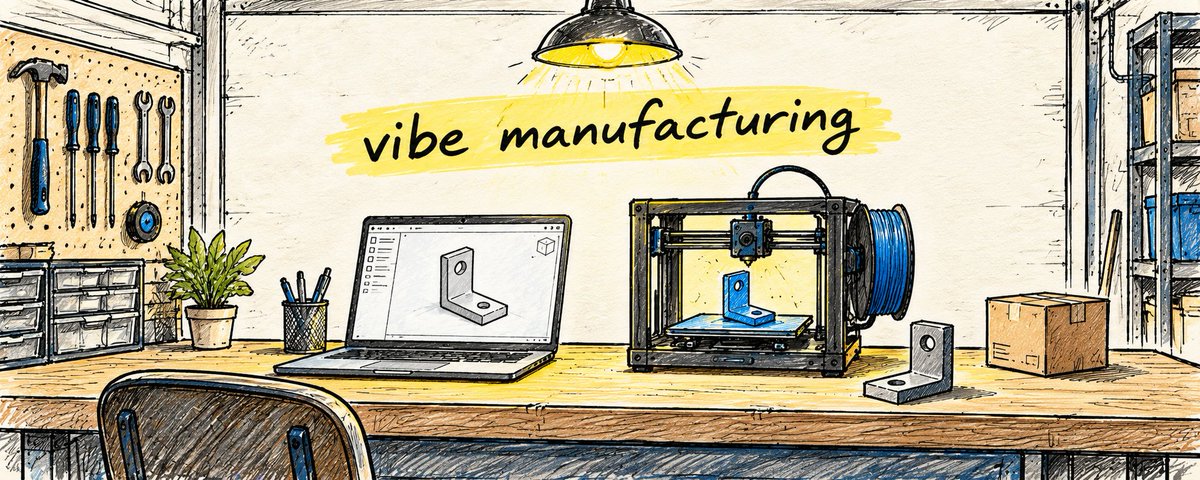
Greg Isenberg nennt das „Vibe Manufacturing“. Gemeint ist eine kurze Kette.
Man beschreibt ein Teil in einem Satz. Eine künstliche Intelligenz macht daraus eine genaue Konstruktionsdatei. Ein Drucker auf dem Schreibtisch prüft über Nacht, ob die Form passt. Eine Fabrik im Internet nennt den Preis in Sekunden und liefert das Metallteil in wenigen Tagen. Ein günstiger Chip kann das Teil später steuerbar machen.
Das ist die gleiche Idee wie beim Programmieren mit künstlicher Intelligenz, nur für echte Gegenstände. Isenberg rechnet mit einer breiten Nutzung in den nächsten zwei Jahren. Erste Formen gibt es schon. Viele Menschen drucken zu Hause Teile und verkaufen sie. Nach seinen Angaben laufen bei Bambu Lab rund 30.000 Drucker mehr als sieben Stunden am Tag. Die Plattform MakerWorld nennt zehn Millionen Nutzer im Monat.
Was schon geht
Die einzelnen Schritte sind nicht neu. Neu ist, dass sie zusammenpassen.
- Zuerst wird gemessen. Falsche Maße sind der häufigste Fehler.
- Dann schreibt die künstliche Intelligenz die Datei, zum Beispiel als CAD-Code.
- Die Fabrik braucht eine echte Datei, nicht nur ein hübsches Bild: STEP für Frästeile, DXF für Blech, STL für den Druck.
- Ein Kunststoffdruck für wenige hundert Euro zeigt, ob das Teil passt.
- Vor der ersten Metallbestellung sollte ein Ingenieur die Datei kurz prüfen.
- Dienste wie Xometry, Protolabs oder JLCPCB fertigen und liefern.
So entsteht ein Halter, ein Gehäuse oder ein Ersatzteil ohne eigenes Konstruktionsbüro.
Wo es knifflig wird
Ra (@incawe) weist auf die Lücke hin. Eine künstliche Intelligenz kann eine schöne Form zeichnen und dabei die Physik übergehen. Sie prüft nicht von selbst, ob das Teil hält, bricht oder sich verzieht. Sie klärt auch nicht, wer haftet, wenn es versagt.
Ein Kunststoffmuster zeigt nur die Passform. Es zeigt nicht, ob Metall unter Last hält. Wer ein Teil verkauft oder einbaut, bleibt dafür verantwortlich. In Europa gelten Produktsicherheit und, je nach Einsatz, die Maschinenregeln. Die Prüfung lässt sich nicht an den Prompt abgeben.
Die eigentliche neue Möglichkeit
Die interessante Lücke ist deshalb keine weitere Zeichen-Software. Es ist eine Prüfschicht zwischen Datei und Fabrik.
Sie würde vier Dinge tun:
1. Sie prüft, ob die Fabrik das Teil überhaupt bauen kann.
2. Sie rechnet einfache Belastungen, bevor Metall bestellt wird.
3. Sie nutzt gemeinsame 3D-Standards, damit Ersteller, Fabrik und Prüfer dieselben Fehler erkennen.
4. Sie hält fest, welcher Mensch die Datei freigegeben hat.
Erst dann wird aus einer schnellen Idee ein belastbares Teil. Die neue Möglichkeit ist nicht, dass jeder ungeprüft konstruieren kann. Sie ist, dass ein Satz schnell zu einem Metallteil wird und eine gemeinsame Prüfung entscheidet, ob dieses Teil auch halten darf.

While terraforming desert highways through linear afforestation is a civilizational miracle, the operational costs remain inneficient.
In contrast, using biological soil crusts for roadside stabilization and solar sand-barriers for power generation offers a sustainable approach.


الغابات والواحات والمحميات تخدم وجهات محددة، أما الطرق السريعة فتخدم كل مواطن ومقيم وسائح، ولذلك فإن أثرها المجتمعي والبصري والبيئي أوسع بكثير.
مقترح إلى المركز الوطني لتنمية القطاع النباتي ومكافحة التصحر @ncvcksa
يُقدر للمركز الوطني جهوده الكبيرة في إنشاء الغابات، والواحات، والمحميات، والحدائق الطبيعية، وهي مشاريع وطنية مهمة ذات أثر بيئي كبير .. لكن معظم هذه المشاريع تقع في مواقع بعيدة عن حركة الناس اليومية، فلا يراها إلا من يقصدها.
ومن هنا أقترح أن يكون للمركز حضور أكبر على امتداد الطرق السريعة في #السعودية، بالشراكة مع وزارة النقل والخدمات اللوجستية، ووزارة البلديات والإسكان، والأمانات.
الطرق السريعة تمثل واجهة المملكة المفتوحة، ويعبرها سنوياً ملايين المسافرين داخل المملكة وخارجها، وهي الأولى بأن تحظى بمشروعات تشجير نوعية ومدروسة.
إن تشجير الطرق السريعة يحقق فوائد عديدة، منها:
🌳تحسين المشهد البصري، وجعل الرحلة أكثر راحة ومتعة.
🌳 توفير الظل في مواقع التوقف والاستراحات ومصليات الطرق.
🌳 خفض درجات الحرارة المحلية حول مواقع التشجير.
🌳 دعم التنوع النباتي والحياة الفطرية على امتداد الطرق.
🌳 رفع جودة الحياة وتعزيز الصورة الحضارية للمملكة.
🌳 الإسهام في جهود الاستدامة وخفض الانبعاثات الكربونية.
🌳 تحويل الطريق من مجرد ممر للنقل إلى ممر أخضر نابض بالحياة.
🌳 المساهمة في مبادرتي #السعودية_الخضراء.
إن نجاح المملكة في إنشاء الغابات والواحات يمكن أن يمتد إلى مشروع وطني أكثر حضوراً وتأثيراً، يتمثل في إنشاء الممرات الخضراء على الطرق السريعة، لتكون شاهداً يومياً على التنمية البيئية، ولتصل آثارها إلى كل من يسلك هذه الطرق.


AI often overrides physics and overlooks liability mitigation.
Without rigorous certification and real-world stress-testing, vibe manufacturing confuses design agility with engineering.
The opportunity lies in creating a validation layer backed by community-driven 3D standards.


The high-yield debt cycle in AI is a physical asset transfer.
Over-leveraged Tier-2 compute operators leave behind hyper-dense, liquid-cooled data center infrastructure, which is quietly audited, re-tagged, and absorbed by hyperscalers with pristine balance sheet surpluses.


Competition is driving bond yields up.
AI-related high-yield (junk) bond offerings issued by tech companies. Meta, Google, Amazon have to spend and will pay whatever necessary, believing if they don’t, they won’t exist. ~ $66 billion globally has already sold in junk bonds offering up to 9.75%. When execution doesn’t meet expectation rates will come down.
Rather than consumer loyalty, the goal is embedding agentic APIs into national infrastructure, healthcare networks, and financial systems.
The open internet has already been consumed as training data and is now saturated with AI-generated noise, rendering web search obsolete.


Beyond self-driving cars, non-software companies employ radars mapping real-time regulatory shifts, competitor moves, and market anomalies.
To amplify agency without liability for machine hallucinations, automated read-only briefs for human verification beat unchecked actions.


LLM vulnerability to jailbreaking means refusals are bypassed via prompting glitches.
Moreover, when a model claiming safety superiority causes harm, plaintiffs leverage the lab's own marketing to prove product liability.


Rather than undermining the benefits of AI tools with moral judgements, automation reveals the institutional fragility of a system that rewards a massive volume of publications at the expense of methodological rigor, empirical evidence, and logical reproducibility.


شخصيّاً أتقبل أن يستعين أي أحد بالذكاء الاصطناعي ليكتب عنه فكرته، أو ينظمها، إلا الأكاديمي الذي كتب بحوثاً أكاديمية محكَّمة نال بسببها ترقية، أو استحق لأجلها منصباً.
أرى أن الأكاديمي الذي يفوض الذكاء الاصطناعي ليكتب نيابة عنه، ثم يتظاهر أنه هو الكاتب، إنما هو أكاديمي هش مشكوك في رزانته ومتانته وأمانته.
Stable infrastructure fuels the hyper-concentration of wealth and influence.
However, without distributed prosperity, the capital consolidation through automation only isolates power within institutions while compounding systemic risks for asymmetric disruption.

من يحكم العالم؟
العالم لا تحكمه قوانين الكثرة، بل قوانين القوة. فلا جدوى من كثرةٍ هائلة إذا كانت قلةٌ ضئيلة تماك مفاتيح الثروة والنفوذ. واليوم، لا يتجاوز عدد الأقوياء والأثرياء الذين يملكون قسماً عظيماً من ثروات البشرية نسبةً ضئيلة، في حين تبدو مليارات البشر، أمام موازين القوة والثروة، كأنها أصفار على الشمال.
كم كان توماس كارلايل مصيباً، وكم كان كارل ماركس مخطئاً. رأى كارلايل أن التاريخ تصنعه الشخصيات الاستثنائية، وأن الأبطال المتميزين هم الذين يقودون العالم، بينما تبقى الجموع في موقع التابع. أما ماركس، فكان يراهن على القوة التاريخية للبروليتاريا، غير أن تجارب التاريخ أظهرت أن الكثرة العددية تبقى عاجزة مهما بلغ عددها.
Rather than position a world-class humanoid robot as an expensive household appliance, redefine work as income-generating micro-manufacturing.
Evolve from a domestic convenience device into a decentralized productive asset that helps owners reclaim industrial capacity.


Helix 2.5 was built to answer a harder question: can a humanoid enter a home it has never seen and immediately get to work, with its whole body, on its own?
We posted a detailed write-up:
figure.ai/news/helix-2-5-zer…

As automation reshapes the distribution of labor, Western democracies are designed to tax innovation to fund welfare providers.
In contrast, GCC economies are uniquely positioned to transition from the oil-rentier model into MWh-backed compute capitalism.
اقترح بيل غيتس فرض ضرائب على استخدام الشركات للذكاء الاصطناعي والروبوتات عندما يؤدي ذلك إلى إحلال الآلة محل العامل، وتوجيه الحصيلة إلى إعادة تدريب المتضررين.
ينطلق الاقتراح من خلل في النظام الضريبي التقليدي. فعندما توظف الشركة عاملاً، تدفع راتباً وتتحمل مساهمات التقاعد والضمان الاجتماعي، كما يدفع العامل ضريبة على دخله. أما عندما تستبدله بنظام للذكاء الاصطناعي، فقد تخصم تكلفة النظام باعتبارها نفقة تشغيلية، بينما تخسر الدولة الضرائب والمساهمات المرتبطة بالوظيفة. وبذلك يكافئ النظام الضريبي بشكل غير مباشر إحلال رأس المال التقني محل العمل البشري. أي ان الدولة تفقد إيراداتها في اللحظة التي ترتفع فيها التزاماتها. فالعامل فالذي فقد وظيفته قد يحتاج إلى إعانة بطالة وتأمين صحي وإعادة تدريب وربما إلى مساعدة طويلة الأجل إذا لم يتمكن من الحصول على وظيفة جديدة. ومن ثم فإن الضريبة المقترحة تقوم على مبدأ أن الجهة التي تستفيد من التحول التقني ينبغي ألا تنقل تكلفته الاجتماعية إلى الدولة والعمال.
المبدأ صحيح لكن تصميم الضريبة هو المسألة الأصعب. ففرضها على كامل إيرادات الشركة لمجرد استخدامها الذكاء الاصطناعي سيكون إجراءً واسعاً وقاسيا، لأن استخدام التقنية لا يعني بالضرورة إلغاء وظائف. وقد تستخدمها الشركة لمساعدة الأطباء أو المحامين أو المهندسين من دون الاستغناء عنهم.
لذلك قد يكون النموذج الأكثر عدالة هو ربط الضريبة بأثر الإحلال الفعلي. فإذا خفضت الشركة عدد العاملين أو كتلة الأجور نتيجة اعتماد الأتمتة، أمكن فرض مساهمة انتقالية تعادل جزءاً من الضرائب والمساهمات الاجتماعية التي فقدتها الخزانة. ويمكن توجيه هذه الحصيلة إلى صندوق مستقل لتمويل إعانات البطالة وإعادة التدريب ودعم الأجور. وبهذا تكون الضريبة مقابلاً للتكلفة الاجتماعية التي أحدثها. ويتطلب ذلك تعريفاً دقيقاً لمفهوم استبدال الموظف بالذكاء الاصطناعي. فهل يتحقق الاستبدال عند الفصل المباشر، أم كذلك عند عدم شغل الوظائف الشاغرة، أو تقليص ساعات العمل، أو الاستعانة بمنصة آلية بدلاً من موظفين جدد؟ كما يجب منع الشركات من إعادة تصنيف عمليات الفصل على أنها إعادة هيكلة. ويجب أيضاً تنسيق هذه الضرائب دولياً، حتى لا تنقل الشركات عملياتها إلى دولة لا تفرضها ثم تبيع خدماتها رقمياً في الدول التي تحمي عمالها.
#قانون
