

The Environmental Management Authority is committed to protecting and conserving the natural environment to enhance the quality of life.
Port of Spain, Trinidad
Joined November 2011
- Tweets9.4K
- Following1.5K
- Followers6.9K
- Likes604






Recycle today, preserve tomorrow!📷📷
Recycling reduces the demand for natural resources, conserves our environment, and supports a more sustainable future. Every bottle recycled makes a difference! 📷
#iCARE #Recycling #TakeClimateAction #Sustainability #GoGreen

𝙈𝙖𝙠𝙚 𝙎𝙪𝙨𝙩𝙖𝙞𝙣𝙖𝙗𝙡𝙚 𝘾𝙝𝙤𝙞𝙘𝙚𝙨 𝙉𝙤𝙬 𝙁𝙤𝙧 𝘼 𝘽𝙚𝙩𝙩𝙚𝙧 𝙏𝙤𝙢𝙤𝙧𝙧𝙤𝙬
𝗧𝗵𝗲 𝗛𝗶𝗱𝗱𝗲𝗻 𝗟𝗶𝗻𝗸 𝗕𝗲𝘁𝘄𝗲𝗲𝗻 𝗩𝗲𝗵𝗶𝗰𝗹𝗲𝘀 𝗮𝗻𝗱 𝗨𝗣𝗢𝗣𝘀
Have you ever considered the environmental footprint of your daily commute? One overlooked source of concern is the emission of Unintentional Persistent Organic Pollutants (UPOPs) from vehicles. Cars, trucks, and other forms of transport can release these harmful pollutants—but there are practical steps we can take to reduce their impact.
Vehicle-Related UPOPs: The Main Sources.
Tox (Polychlorinated Dibenzofurans / PCDFs): Emitted from vehicle exhaust, particularly from older or poorly maintained engines.
Diox (Polychlorinated Dibenzo-p-dioxins / PCDDs): Released through combustion processes during fuel burning.
How We Can Reduce Emissions.
Carpooling: Fewer vehicles on the road means fewer emissions overall.
Public Transport: Buses, trains, and other shared systems reduce individual emissions and increase efficiency.
CNG Vehicles: Compressed Natural Gas options, where available, provide a cleaner alternative to conventional fuel.
Electric Vehicles (EVs): With no tailpipe emissions, EVs significantly cut back on pollutants.
Hybrid Vehicles: Combining traditional and electric technologies, hybrids help reduce emissions in conditions such as stop-and-go city driving.
The Power of Sustainable Choices.
Even small adjustments in daily travel habits can make a measurable difference. Choosing cleaner options—whether through shared travel, alternative fuels, or new technologies—reduces UPOPs, contributes to cleaner air, and safeguards public health.
When purchasing or upgrading a vehicle, considering its environmental impact is a long-term investment in both sustainability and cost savings.
Driving Change Together.
Each decision matters. By carpooling, taking public transport, or transitioning toward cleaner vehicle technologies, we collectively reduce the burden of UPOPs on our environment. Together, we can move toward a cleaner, healthier future.
#DriveGreen #UPOPsReduction #EcoFriendlyTransport #SustainableCommute

♻️The Environmental Management Authority (EMA) partners with the Green Ramleela to promote community recycling initiatives in the Food Village and raise awareness of responsible waste management practices.
🤝The Green Ramleela is a cultural festival in Trinidad and Tobago that fosters community engagement and cultural activities while engaging in conservation practices.
🍃The EMA also shares this vision of environmental stewardship, conservation, and community-led sustainable practices.
🚮Through the EMA’s iCARE Project, community members and patrons can responsibly manage their waste using the recycling bins, thereby growing their environmental consciousness and contributing to a cleaner Trinidad and Tobago for future generations. Be sure to look out for the iCARE bins!
#EMA #recycle #trinidadandtobago #icare
@PlanningTT
@theGEF
@UNEP
@UNTrinidadTobag
@FAO
@iCARETT
📷 A FLASH OF SCARLET: CELEBRATING OUR NATURAL HERITAGE
The Scarlet Ibis is more than a national symbol; it is a reminder of the rich biodiversity and natural heritage that make Trinidad and Tobago unique. 📷
The EMA is pleased to highlight the upcoming premiere screening of Plight of the Ibis, a documentary exploring the Scarlet Ibis and the vital mangrove wetlands of the Caroni Swamp.
Featuring insights from Laura Baboolal, Technical Officer II – Biodiversity at the EMA, alongside other experts, the documentary brings attention to the importance of understanding, appreciating and protecting our precious natural ecosystems.
Written and produced by Gideon Hanoomansingh, and presented in collaboration with the National Trust of Trinidad and Tobago and the Unit Trust Corporation, this special screening invites us to reconnect with our natural heritage and reflect on our shared responsibility to safeguard it for future generations.
📷 Date: Wednesday, 21 October 2026
📷 Time: 6:00 p.m.
📷 Venue: Mille Fleurs Heritage House
📷 Tickets: $100 TTD
Tickets are available via Island E Tickets, the National Trust of Trinidad and Tobago website and the Mille Fleurs Trust Shop.
Let us continue to champion biodiversity and protect the natural treasures that define us.
@PlanningTT
@theGEF
@UNEP
@UNTrinidadTobag
@FAO

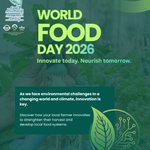
With weather and climate changes, farmers are challenged each year to bring food to our tables. This World Food Day theme reminds us that everyday innovations make local food production possible🍅.
#WorldFoodDay

The Air Quality Index has registered GOOD at the Monitoring Stations of the (EMA) in Arima and Port of Spain but MODERATE in and Point Lisas and at 11 a.m. today, Friday, 16th October, 2026.
ei.weblakes.com/RTTPublic/Ds…
#airquality #air #TrinidadandTobago #airpollution #EMA


The Green Climate Fund (GCF) is inviting suitably qualified candidates to apply for the position of Liaison Officer for Trinidad and Tobago.
Interested persons are encouraged to review the job description, eligibility requirements and application details via the link below.
jobs.consultant.greenclimate…
Application Deadline: 28 October 2026
View the Job Advertisement: Liaison Officer for Trinidad and Tobago – Green Climate Fund

𝘽𝙚 𝘾𝙖𝙧𝙚𝙛𝙪𝙡 𝙤𝙛 𝙒𝙝𝙖𝙩’𝙨 𝙇𝙪𝙧𝙠𝙞𝙣𝙜
𝗧𝗶𝗺𝗲 𝘁𝗼 𝗦𝗮𝘆 𝗚𝗼𝗼𝗱𝗯𝘆𝗲 𝘁𝗼 𝘁𝗵𝗲 𝗨𝗣𝗢𝗣𝘀 𝗙𝗮𝗺𝗶𝗹𝘆
The UPOPs family—Unintentional Persistent Organic Pollutants—has overstayed its welcome. For too long, these pollutants have lingered in our environment, silently damaging our health and threatening the wellbeing of future generations. It is time to disown them once and for all.
𝗪𝗵𝘆 𝗕𝗿𝗲𝗮𝗸 𝗧𝗶𝗲𝘀 𝘄𝗶𝘁𝗵 𝘁𝗵𝗲 𝗨𝗣𝗢𝗣𝘀 𝗙𝗮𝗺𝗶𝗹𝘆
The UPOPs family—members like Diox, Tox, Polly, and others—represents toxicity at its core. Their continued presence contributes to environmental degradation, disrupts ecosystems, and creates lasting health risks for our communities.
𝗧𝗵𝗲 𝗣𝗮𝘁𝗵 𝘁𝗼 𝗥𝗲𝗺𝗼𝘃𝗮𝗹
Awareness and Action: Education is our first line of defense. By understanding the dangers of UPOPs, we empower ourselves and others to take preventative steps.
Sustainable Practices: Everyday choices matter. Reducing reliance on harmful processes and adopting eco-friendly habits curtails the creation and spread of UPOPs.
Policy and Enforcement: Strong environmental frameworks and decisive regulatory action are critical to eradicating UPOPs. Supporting such measures ensures accountability and long-term impact.
𝗔 𝗛𝗲𝗮𝗹𝘁𝗵𝗶𝗲𝗿 𝗟𝗲𝗴𝗮𝗰𝘆
Disowning the UPOPs family is about more than removal—it is about inheritance. It is about passing on a legacy of clean air, safe water, and healthy soil to our children and their children after them.
𝗧𝗵𝗲 𝗖𝗮𝗹𝗹 𝘁𝗼 𝗨𝗻𝗶𝘁𝗲
This is a collective mission. By joining forces—raising awareness, adopting sustainable habits, and supporting strong policies—we can protect our families, communities, and planet from the threats of UPOPs.
Together, let us ensure a future where we thrive, not merely survive. Learn more. Take action. Be part of the change: stopthepops.com/
#DisownUPOPs #EcoLegacy #HealthyFuture #ProtectOurPlanet

The Air Quality Index has registered GOOD at the Monitoring Stations of the (EMA) in Arima but MODERATE in Port of Spain and Point Lisas and at 11 a.m. today, Thursday, 15th October, 2026.
ei.weblakes.com/RTTPublic/Ds…
#airquality #air #TrinidadandTobago #airpollution #EMA


🌱🤝 FASS Making Connections at World Food Day 2026!
Building connections and strengthening partnerships for a more sustainable and food-secure future! 🌍
The *UWI Faculty of Agricultural Sciences and Sustainability (FASS)* continues to engage with key stakeholders at the *World Food Day 2026 Exhibition and Food Fair in Tobago*, fostering opportunities for dialogue, collaboration and knowledge sharing.
These connections reflect the importance of bringing together academia, public institutions and environmental stakeholders to advance agricultural innovation, environmental sustainability and food security across Trinidad and Tobago.
💡 *“Innovate Today, Nourish Tomorrow”* — working together to build a more resilient future! 🌾
📸 *Pictured (L–R):* Dr Oral Daley, UWI Faculty of Agricultural Sciences and Sustainability, and Mr Doolal Ramlal, Chairman of the Environmental Management Authority (EMA).
Post courtesy: Faculty of Food and Agriculture UWI STA
#WorldFoodDay2026 #UWIFASS #UWIStAugustine #BuildingConnections #StrategicPartnerships #FoodSecurity #Sustainability #AgriculturalInnovation #Tobago

𝙇𝙤𝙘𝙖𝙡 𝘼𝙘𝙩𝙞𝙤𝙣, 𝙂𝙡𝙤𝙗𝙖𝙡 𝘾𝙝𝙖𝙣𝙜𝙚
𝗔 𝗖𝗮𝗹𝗹 𝘁𝗼 𝗔𝗰𝘁𝗶𝗼𝗻 𝗳𝗼𝗿 𝗥𝗲𝗴𝘂𝗹𝗮𝘁𝗼𝗿𝘀, 𝗘𝗻𝗳𝗼𝗿𝗰𝗲𝗺𝗲𝗻𝘁 𝗔𝘂𝘁𝗵𝗼𝗿𝗶𝘁𝗶𝗲𝘀, 𝗮𝗻𝗱 𝗣𝗼𝗹𝗶𝗰𝘆𝗺𝗮𝗸𝗲𝗿𝘀
The persistent threat of Unintentionally Produced Persistent Organic Pollutants (UPOPs) continues to endanger both our environment and public health. It is imperative that we intensify our collective response to control and, ultimately, eliminate this hazardous family of pollutants.
Urgent Action Required
Implement Robust Frameworks: Develop and enforce strict regulatory measures that directly address the reduction and control of UPOPs.
Strengthen Enforcement Mechanisms: Ensure the rigorous application of environmental laws, with firm oversight of industries, waste management systems, and other known sources of UPOPs.
Promote Policy Innovation: Advance policies that drive sustainable practices, incentivize technological upgrades, and generate cleaner alternatives to reduce emissions.
Focus on Research and Development
Support scientific research that deepens our understanding of UPOPs and identifies effective mitigation strategies.
Invest in the development and dissemination of Best Available Techniques (BATs) and Best Environmental Practices (BEPs) that offer proven tools to reduce impacts.
A Collaborative Approach
Strengthen partnerships with international bodies, scientific communities, industry leaders, and civil society to form a united front.
Create platforms for the exchange of knowledge, best practices, and technological innovations on a global scale.
A Commitment to Future Generations
This is not just a matter of policy—it is an obligation to protect the health of our planet and the well-being of generations to come. Leadership and decisive action now can create a transformative legacy: a cleaner, safer world, free from the threats of UPOPs.
We stand ready to collaborate and provide support in these efforts. Together, we can move from awareness to decisive action. Learn more and be part of the change: stopthepops.com/
#LeadingFortheEnvironment #UPOPControl #SustainablePolic

HAPPENING NOW!
The GEF BIOREACH Project is participating in the World Food Day Exhibition, happening today and tomorrow at the Shaw Park Food Hub, Tobago!
Visit the booth to learn more about the project and its efforts to promote sustainable agriculture, biodiversity conservation and resilient food systems.
#EMA #environment #happeningnow #trinidadandtobago


The Air Quality Index has registered GOOD at the Monitoring Stations of the (EMA) in Point Lisas and Arima but MODERATE in Port of Spain at 11 a.m. today, Tuesday, 13th October, 2026.
ei.weblakes.com/RTTPublic/Ds…
#airquality #air #TrinidadandTobago #airpollution #EMA


"Fail to prepare, prepare to fail" is a saying we all grew up with.
Here are some simple tips this International Day for Disaster Risk Reduction to build resilience in your home environments 🛡️🏡.

Stop the POPs: A Global Call to Action.
For decades, as industrial progress advanced at high speed, an invisible danger grew in our environment: Unintentionally Produced Persistent Organic Pollutants (UPOPs). These pollutants—by-products of modernization—have silently permeated our air, water, and soil, threatening both ecosystems and human health.
Why Stopping POPs Matters.
This campaign is more than an awareness initiative. It is a call for transformation: changing the way we live, produce, and consume to eliminate UPOPs from our future.
Technology and Innovation as Allies.
With every new advancement, we gain tools to face this challenge. By applying Best Environmental Practices (BEPs) and Best Available Techniques (BATs), societies can reduce UPOP emissions and limit their long-term impact.
A Shared Responsibility.
Governments, industries, communities, and individuals all have a role to play. Strong policies, responsible business practices, informed citizens, and sustainable decisions form the collective effort needed to protect our environment.
The Path Forward.
By working together—sharing knowledge, implementing proven practices, and committing to sustainability—we can reduce the presence of UPOPs. Every contribution, large or small, brings us closer to this goal.
Join the Movement.
Let’s commit to a future free of UPOPs. Together, we can stop their spread, protect human health, and safeguard ecosystems for generations to come.
#StopThePOPs #SustainableFuture #UnitedForChange
Find Out More: stopthepops.com/

BEPs and BATs in Action: Confronting the UPOPs Family
This series demonstrates how Best Environmental Practices (BEPs) and Best Available Techniques (BATs) directly reduce the threats posed by each member of the Unintentionally Produced Persistent Organic Pollutants (UPOPs) family.
Organic Agriculture vs. Hex
The adoption of organic farming methods limits the presence of Hex (Hexachlorobenzene), protecting soil and water from contamination.
Green Industry vs. Bute
Sustainable industrial practices significantly reduce Bute (Hexachlorobutadiene) within production environments.
Sustainable Energy vs. Pent
The transition to renewable energy sources helps diminish the impact of Pent (Pentachlorobenzene) on ecosystems.
Marine Protection vs. Polly
Ocean conservation and cleanup efforts weaken Polly (Polychlorinated Biphenyls) and protect marine biodiversity.
Waste Management vs. Diox and Tox
Safe and efficient waste management reduces emissions of Diox (Polychlorinated dibenzo-p-dioxins) and Tox (Polychlorinated dibenzofurans).
Community Awareness vs. Nap
Education and sensitization campaigns help decrease the influence of Nap (Polychlorinated Naphthalenes), especially in areas with a history of industrial activity.
The Collective Result
Through informed decisions and collective action, BEPs and BATs demonstrate their capacity to reduce the impact of UPOPs. Together, we can strengthen these practices and build a healthier, more sustainable world.
#StopThePOPs #SustainablePractices #EnvironmentalChange #CollectiveAction
Find Out More: stopthepops.com/

The AI4SIDS – AI-driven Climate Resilience Platform for Small Island Developing States initiative, under the UWI Research and Development Initiative (RDI), is hosting its inaugural AI4SIDS Conversations session.
Join Professor Emeritus Patrick Hosein (ORTT) for:
Leveraging AI in Multi-Disciplinary Research:
From Problem Identification to Scholarly Publication
📅 Wednesday, October 14, 2026
🕛 12:00 p.m. – 1:00 p.m. (AST)
💻 Virtual via Zoom
The session will explore how AI can support research, innovation, multidisciplinary collaboration and scholarly publication, while highlighting its application to climate resilience and disaster risk management in Small Island Developing States.
🔗 Register here:
tinyurl.com/AI4SIDSRDIWebina…

Strengthening Regulatory Frameworks: A Cornerstone in Combating UPOPs
As part of our focus on Best Environmental Practices (BEPs) and Best Available Techniques (BATs), strengthening regulatory systems is essential. Robust legal and policy frameworks provide the foundation for sustainable waste management and the reduction of Unintentional Persistent Organic Pollutants (UPOPs).
Why Strong Regulations Matter.
Setting Standards: Regulations establish clear requirements for waste management, industrial emissions, and chemical use, reducing the risk of UPOP production.
Ensuring Accountability: Strong frameworks drive compliance and hold industries and individuals responsible for harmful practices.
Encouraging Innovation: Well-designed regulations promote cleaner technologies and sustainable practices.
Key Areas of Focus.
Comprehensive Legislation: Laws must address all stages of UPOP generation, management, and disposal.
Regular Updates: Policies must reflect current science and advances in technology.
Public Participation: Inclusive decision-making ensures that regulations are practical, effective, and community-driven.
Our Shared Role.
Stay informed about local and national environmental policies.
Participate in consultations and support initiatives that strengthen environmental governance.
Educate others on the importance of strong regulations in preventing UPOPs.
Stop the POPs.
Strong regulations are not only about enforcement—they are about building a sustainable system that prevents pollution at its source. Together, we can advocate for policies that protect health, safeguard ecosystems, and move us closer to a UPOP-free world.
#StopThePOPs #StrongerRegulations #EnvironmentalProtection #SustainableFuture
Find Out More: stopthepops.com/
