

#English language resources and online teaching
Online
Joined July 2018
- Tweets125
- Following167
- Followers2.6K
- Likes77
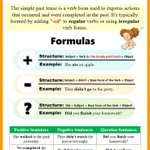







Simple Past Tense
The common formula for a simple past tense sentence is: subject + past tense verb + object.
Here's a graphic from easyenglishpath.com showing the formula for positive, negative and question sentences in the past tense.


The Teaching Hall retweeted

🟣 BETWEEN vs AMONG 🟣
Do YOU know the difference between these prepositions?
See our complete English lesson (including video) here:
woodwardenglish.com/lesson/b…
#LearnEnglish #EnglishGrammar #Grammar #ESOL #Education #EnglishTeacher


Would you be willing to pay a small fee to download a digital workbook that covers many English language elements with lesson material, audio/video and exercises for self-assessment?
The Teaching Hall retweeted
🟣 ENJOY + VERB-ing 🟣
I enjoy TO MEET new people at conferences. ❌
I enjoy MEETING new people at conferences. ✅
👉 After ENJOY we need to use VERB-ing
I enjoy SLEEPING until late. ✅
He enjoys READING at night. ✅
woodwardenglish.com/lesson/l…
#LearnEnglish #SpeakEnglish #ESOL


Other ways to say ...
Here's a good collection of other ways to say some commonly-used English words.
Check this Board out on Pinterest! pin.it/46TgpuqVJ via
@pinterest

Figures of Speech
Ever heard somebody say, "it's a figure of speech"? There are many of these that are used in everyday language. It can be very useful to know what they mean and how they are used. Here are some examples.


Adjectives
These are words that describe nouns - they describe people, places or things.
They are used to make writing and speaking much more specific or clearer.
Here are some examples of adjectives, together with their meanings.


Prepositions
These are words used to link nouns, pronouns, or phrases to other words in a sentence. They are important because they express direction, position, movement, location, and how an action is completed.

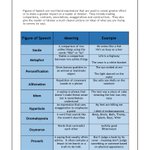
Figures of Speech
These are words or phrases used in a non-literal sense in order to create emphasis.
Here are some commonly-used Figures of Speech together with their meanings and examples of how they are used.

Conditionals
These describe the result of something that might happen (in the present or future) or might have happened but didn't (in the past). They are also called "if clauses" because they contain the word "if".
Here's a great graphic from @tedielts showing how to use them.


