

Executive Vice President at Curvature Securities. Author of: The Repo Market Shorts Shortages & Squeezes, More Rogue Traders, Rogue Traders, The Money Noose
Joined April 2012
- Tweets9K
- Following98
- Followers12.7K
- Likes73
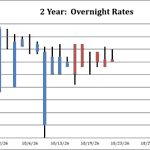

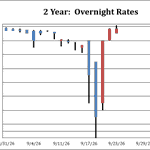

Last month, both the 2Yr and 5Yr traded very Special, but then the shorts rolled into the WIs at the time of the auction. This month, the short-bases are not as deep. They both last traded to Nov 2 at 3.70% and I expect there could be increased rate volatility early next week


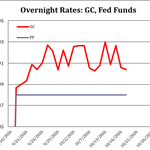
The GSE cash should be rolling into the REPO market this week and we should see a drop in O/N rates. The cash stays through the weekend and overnight rates could get to 3.88%/3.87% by Friday. We haven't broken out of the 3.93%/3.90% range since the tightening

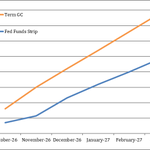
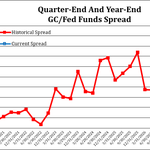
Whereas GC averaged 3.5 basis points above fed funds since the end of June, the market is pricing GC to average about 9 basis points above fed funds in the near term and it increases to 13 basis points going out to March

Though Treasurys are sovereign credit, there's a "credit spread" in the term markets. Term REPO GC includes pricing for bank balance sheet, assets over quarter-end and year-end, and a vol discount that tight GC/fed funds spreads now won't be the same the next few months

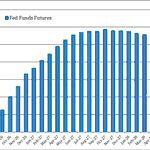
After Friday's semi-weak emp report and Fed governor speak last week, the market is only pricing a 20% chance of a tightening on Oct 28, but guaranteed by the end of the year. The terminal range of fed funds is expected to be 4.75%-4.50%, representing three more tightenings

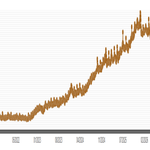
The recent sell-off in the bond market sent the 10 Year Note yield from 4.77% at the beginning to September to 5.31% today. A 53 basis point move and the highest yield in the 10 Year since September 2007
Short-term rates are easier to track, they're mostly a function of Fed policy and the expectation of future Fed policy. The long-end is trickier, it's more driven by inflation, supply, and demand
1. Inflation - Since the COVID crisis, the Fed's says inflation is transitory. First, during excessive government spending years, then from tariffs, and now from the Iran War. The sell-off could be a function of the market capitulating and accepting higher inflation in yields
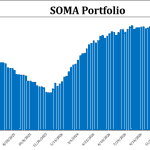
In the past, Treasury supply problems were solved with QE. The problems of 2018-19 were temporarily solved when the Fed began RMP Sept 2019 and QE March 2025. Ending BSR, starting RMP in Dec 2025 and easing the SLR once again solved the supply issues of 2025
The REPO Specials market exploded over Q/E. The sell-off and volatility in the cash market increased the short-base. The Old 5 Year (4.375% 8/31) dropped down to -1.00% Wednesday and traded as low as .75% yesterday. The 3 Year traded as low as 3.45% and 10 Year as low as 2.70%
It was an easy quarter-end in REPO. GC opened at 4.01%, traded as low as 3.70% and averaged only 4 bps above fed funds. Further good news is the market is awash in cash. As of now, the market is pricing soft funding again in Oct - just like Sept

I was at the Fed's Treasury conference last week and one of the topics was investing the Treasury's TGA in Repo. The TGA acts like a checking account at the Fed. Tax revenue is deposited and expenses debited. The Treasury issues debt to create a liquidity buffer in the TGA
The TGA stands at $925B. Investing the TGA funds in Repo is more complicated than you think. First, the Fed/Treasury needs to decide if the move is to: (1) Generate a return for taxpayers; or (2) Bring more liquidity into the market. No one really answered that question
Similar to the 3.625% 5/13

The "Japanese Corner": A small handful of large institutional investors—predominantly Japanese firms—had aggressively bought up and locked away a massive portion of the 9.25% February 2016 issue. They intended to hold them for long-term yield and outright refused to lend them out into the repurchase (repo) market.
The Short Squeeze: When the short-selling dealers needed to borrow the 9.25% bonds to settle and cover their trades, they found almost no supply available. Because they couldn't find the bonds, the "special" repo rate for this specific security plummeted to near 0%, and dealers faced severe, costly settlement failures.
The dealers were squeezed relentlessly, suffering heavy financial losses as they scrambled to buy back the scarce 9.25% bonds at highly inflated premium prices just to clear their positions. This historic squeeze eventually prompted the Federal Reserve Bank of New York and the Treasury to alter market guidelines regarding security availability and settlement penalties.
