

Moving #management from opinion-based arguments to evidence-based discussions https://xitter.cf/t.co/QowZiZlfX4
Joined October 2014
- Tweets2.5K
- Following548
- Followers4.8K
- Likes2.4K







ScienceForWork retweeted

Perhaps the most influential work I've been a part of as a researcher. Psychological safety is such a powerful concept.

⚗😁🔍 #MakeWorkBetter with #ScienceForWork
A TIMELY SFW ARTICLE FOR YOU! 📖
lnkd.in/dYEnZ8S
Article Written by Wendy Hirsch
Infographic and Caption by @A_J_Halliday
#PsychologicalSafety #DEI #Security #work #Business

ScienceForWork retweeted

It’s important to design a hiring process that is clear & fair, because as soon as you make the offer, that candidate has the power to reject your offer.
#ApplicantReactions #hiring #OHPsych #IOPsych #iopsychmemes #psychology #psychologymemes #psychmemes #APpsych (rerun)

ScienceForWork retweeted

Misunderstanding the beliefs of others leads to conforming to bad norms.
87% of Saudi men privately agreed that they supported women working, but 70% thought other men were less supportive. When the men learned the real support, 6 month employment among their wives went up 179%.


ScienceForWork retweeted
Let me consult my file to see what this situation requires
#OHPsych #IOPsych #iopsychmemes #psychology #psychologymemes #psychmemes #APpsych (rerun)

ScienceForWork retweeted
Dr. Simpson (@simpsonpsyd on IG) is at it again, and this one has merch potential if you ask me.
#OHPsych #IOPsych #iopsychmemes #psychology #psychologymemes #psychmemes #APpsych

ScienceForWork retweeted
It’s one of the biggest decisions leaders make, so it’s worth some time, analysis, and attention.
#hiring #selection #OHPsych #IOPsych #iopsychmemes #psychology #psychologymemes #psychmemes #APpsych

ScienceForWork retweeted
Think you can detect AI writing? Experts can't.
This paper had editors from top linguistics journals try to do just that and "reviewers were largely unsuccessful in identifying AI versus human writing, with an overall positive identification rate of only 38.9%." HT @EnglishOER

ScienceForWork retweeted

Extraversion is not a prerequisite for leadership.
It doesn't matter how outgoing people are. What counts is how well they communicate and how committed they are to serving.
The people to promote are the ones with the skill—and the will—to elevate the group above themselves.


ScienceForWork retweeted
Long vacations rarely cure burnout. They usually bring temporary relief.
The frequency of time off from work matters more than the duration. 2 separate week-long vacations are more restorative than a 2-week trip.
Regular breaks are vital to well-being.
tedtalks.social/WLAdam

ScienceForWork retweeted
Comparison is not the thief of joy. Envy is.
Resenting others' success breeds misery and rivalry. Admiring their success brings motivation and learning.
We all compare ourselves to others. A key to growth and happiness is focusing our comparisons on people who inspire us.

ScienceForWork retweeted
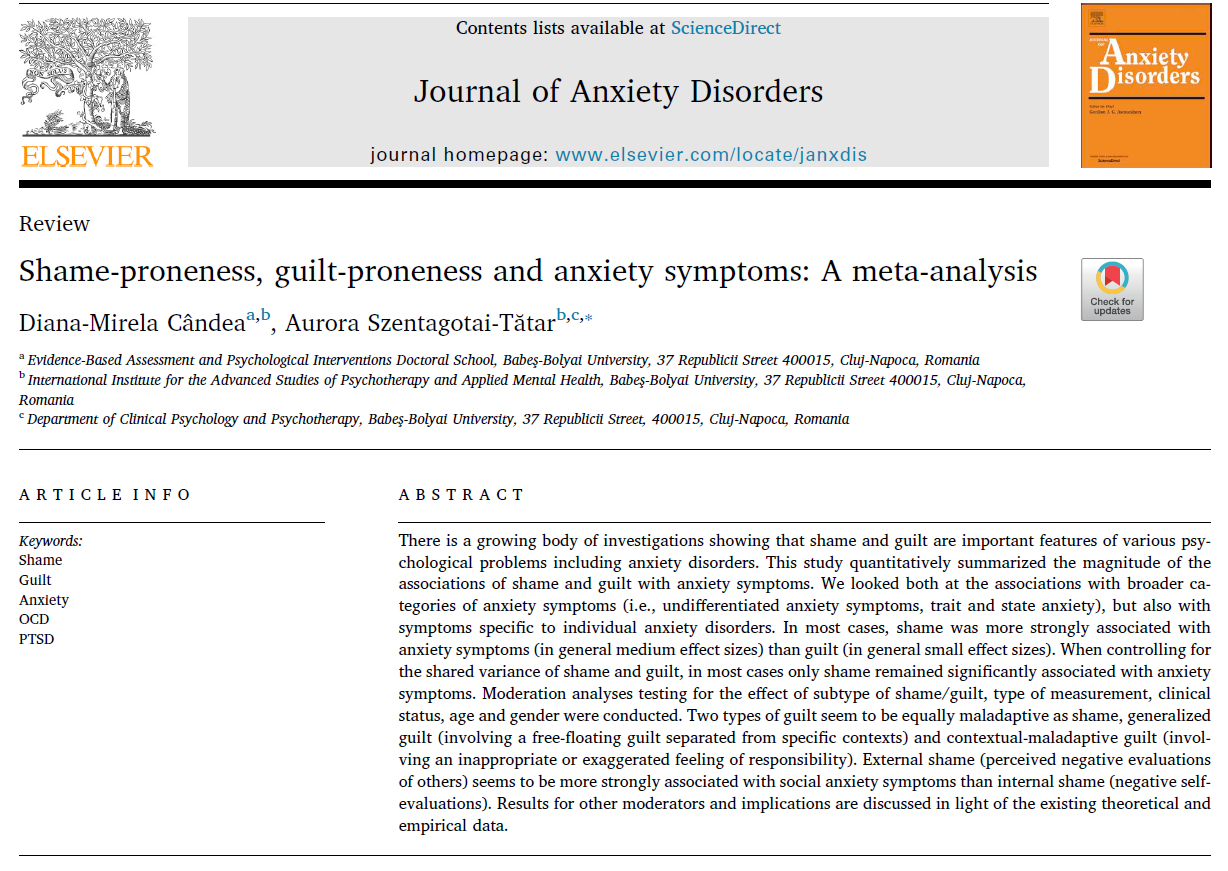
Shame: "There's something wrong with me." Feeling flawed fuels fight or flight.
Guilt: "I made a mistake." Feeling bad spurs repair but breeds rumination.
Self-compassion: "Everyone makes mistakes." Being kind to yourself allows you to learn from them without dwelling on them.


ScienceForWork retweeted
Automation traditionally has been about eliminating terrible, repetitive & dangerous jobs. Here is an example of AI doing just that.
Social network moderation is a bad job that exposes you to real mental health effects👇 (As a former Wikipedia administrator, I saw it first hand)


Big win for a healthy internet: anyone using the @OpenAI API can also use our world class content moderation endpoint to support best in class moderation with minimal setup time.
openai.com/blog/using-gpt-4-…

ScienceForWork retweeted

Really looking forward to the part where we succeed at getting to net zero carbon emissions and then a bunch of weirdo pundits are like “See, the world didn’t end! I told you climate change was a fake issue.”
ScienceForWork retweeted
People don’t blindly perpetuate toxic leadership. They emulate it when they lack concern for others.
Data: after having an abusive boss, people who prized kindness broke the cycle. Those who idealized selfishness didn't.
The role models we choose are a reflection of our values.


ScienceForWork retweeted
We reward people who do well on easy jobs (or get good grades at schools with high average GPA) over people do fine handling very hard ones, effectively giving people credit for the ease of their situation. This paper shows even experts fall for this trap. journals.plos.org/plosone/ar…

ScienceForWork retweeted
Massively under-reported science story because there's so much going on right now but...it turns out that we might have figured out what's causing this very scary spike.
Quick thread, on how WE'VE BEEN ACCIDENTALLY GEOENGINEERING FOR DECADES...but then we stopped:

ScienceForWork retweeted

#Motivation drives action, so leaders must prioritize it. Prevent #burnout , #turnover , and lost #productivity while inspiring high-quality work. Understand the drivers: states of mind, mechanisms of motivation, and outcomes. @ScienceForWork scienceforwork.com/blog/how-…
ScienceForWork retweeted

#RightKindOfWrong: The Science of Failing Well: FINISHED BOOK is IN MY HANDS! amazing feeling
Why not get YOUR hands on a copy too? simonandschuster.com/books/R…
Huge gratitude to my publishers @SimonSchuster and @AtriaBooks

ScienceForWork retweeted

Ideally, work performance should not primarily be the result of reward and punishment, but also of intrinsic motivation. A key contributing factor to intrinsic motivation is autonomy: buff.ly/3Kic5h9 via @ScienceForWork

ScienceForWork retweeted

The Problem with "Lived Experience": It engages cognitive biases by selecting vivid but possibly idiosyncratic anecdotes, which distract us from causality & from conditions that may affect many more. quillette.com/2023/07/17/the…
