








رائــد retweeted

I hate to be the one to burst the Tesla bubble today, but the spectacular “flight” we witnessed at the Roadster reveal needs a little context. The car is carrying around 250kg of compressed air, plus the weight of the tanks, valves and thrusters needed to contain and release it.
Based on the published figures, that gives it roughly 1.5–2 seconds of maximum thrust before the system needs to be refilled.
In short, it's a gimmick.


انتهيت من نسخة الإلياذة لشركة Marvel صدر في العام 2007-2008 في ثمانية اجزاء، وهو عمل مبهر وإن اضطرّ للاختصار في أقل من 200 صفحة لكن Roy Thomas استطاع أن يظهر نسخة أقرب للنشء ومن لا يملك الوقت.
مقدمته رائعة عن حاجة كل جيل لترجمة جديدة لملحمة الإلياذة.
نسخة كندل ولا أروع!


رحلة أوديسيوس من "لا أحد" (μή τις، Mḗ tis) إلى "الدهاء والفطنة وحسن التدبير" (μῆτις، Mêtis)، حيث يطمس هويته بذكائه، ثم تدفعه كبرياؤه إلى إعلانها.
=====
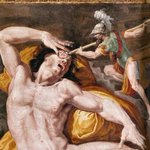
حين حبس العملاق بوليفيموس أوديسيوس ورفاقه في كهفه، سأله عن اسمه، فأجابه: “لا أحد” (Mḗ tis، μή τις). فلما فقأ أوديسيوس عين العملاق، استغاث هذا برفاقه صارخًا بأن “لا أحد” يقتله، فانصرفوا عنه. وفي ذلك تلاعب لغوي بديع بين “لا أحد” (Mḗ tis) و”الدهاء والفطنة وحسن التدبير” (Mêtis، μῆτις)، إذ استعان أوديسيوس بدهائه ليصبح “لا أحد"، ثم دفعته كبرياؤه إلى إعلان اسمه الحقيقي، فكاد يهلك بما أنجاه بل استجلب لعنة بوسايدون عليه ليمضي سنوات التيه والشتات قبل أن يعود غريبا إلى موطنه إيثاكا.
في الأوديسة، يختار أوديسيوس الفناء على الخلود، ويطمس هويته تارةً، ثم يخوض الأهوال لاستعادتها تارةً أخرى. فهو قادر على التنكّر ومحو معالم شخصيته بل وتغيير هيئته حتى يجهله أقاربه وأهل بيته وخدمه دون أن يفقد جوهر ذاته، ويصارع الوحوش والبشر في سبيل استعادة اسمه ومكانته. والمفارقة أن كبرياءه يعرّضه للأخطار حين تدفعه الرغبة في التميّز وإعلان هويته، بينما يسعفه ذكاؤه حين يتخفّى ويتنكّر لها. وهكذا، فإن ما ينقذه هو نفسه ما قد يرديه: ذكاء يمكّنه من أن يكون "لا أحد"، وكبرياء تأبى عليه إلا أن يكون أوديسيوس.
وعل ما يستحق التأمل أن أوديسيوس لا يختار الفناء لذاته حين يرفض عرض كاليبسو بالخلود، بل يختار حياةً فانية تحتفظ بمعناها وهويتها وانتمائها.. حياة ذات معنى، على خلود ينقطع فيه عن موطنه وأهله. وهذا يضيف بُعدًا آخر إلى المفارقة التي أشرت إليها: إنه مستعد للتخلّي عن اسمه مؤقتًا، لكنه لا يقبل التخلّي عن الحياة التي تمنح ذلك الاسم معناه.


رائــد retweeted

In most contemporary literary novels, you'll find a lot of dialogue and stream-of-consciousness rants; rarely, on the other hand, will you find elaborate physical descriptions of places or people.
Why is that? For one, the literary establishment tends to dismiss descriptive passages as slow or unnecessary, but the better explanation is that writing good descriptions is just really, really hard.
It's relatively easy to jot down thoughts and feelings, especially in the first person—after all, such writing is really just a replication of your inner voice. Similarly, you can master dialogue by paying attention to day-to-day conversations or by watching movies.
But describing the physical world requires an entirely different level of literary craftsmanship—and the only way to attain it is by reading great literature.
But because contemporary writers are increasingly influenced by other contemporary writers, all of whom have been taught to prioritize minimalism and immediacy, we've produced a generation of authors who know how to describe the pangs of global warming but who have no idea how to capture the world it affects.
رائــد retweeted
One of the worst developments in contemporary literature is this idea that protagonists have to be "relatable."
Raskolnikov is a murderer. Humbert Humbert is a monster. Emma Bovary is an adulteress.
Literature isn't supposed to introduce you to people you'd like to have brunch with. It's supposed to teach you how a wide variety of people think.