hci research scientist | mit phd | niantic labs
- Tweets164
- Following203
- Followers264
- Likes923


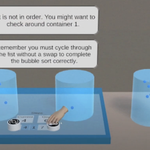


ALT 1. The user identifies the object being scanned to the system (e.g. by tapping on the object on the screen). This allows the system to guide the user around the object---because now it knows what the user wants to scan. 2. The system guides the user to walk in a circle around the object while keeping the object in view, and moving slow enough to capture high-quality footage (and to not bump into anything!). 3. After capturing 360 degrees around the object, the system constructs a 3D virtual version of the object. This can be used for creating XR experiences, localising with visual positioning systems, rapid prototyping of 3D systems, etc.

ALT 1. The user identifies the object being scanned to the system (e.g. by tapping on the object on the screen). This allows the system to guide the user around the object---because now it knows what the user wants to scan. 2. The system guides the user to walk in a circle around the object while keeping the object in view, and moving slow enough to capture high-quality footage (and to not bump into anything!). 3. After capturing 360 degrees around the object, the system constructs a 3D virtual version of the object. This can be used for creating XR experiences, localising with visual positioning systems, rapid prototyping of 3D systems, etc.


ALT Text "Join our careers week webinars", photos and descriptions of HCI Research Scientist, Jessica Van Brummelen, and Senior Research Scientist, Ashley Edwards, all on a dark background with the Ada Computer Science logo and branding.


ALT Learning Affects Trust: Design Recommendations and Concepts for Teaching Children -- and Nearly Anyone -- about Conversational Agents Research has shown that human-agent relationships form in similar ways to human-human relationships. Since children do not have the same critical analysis skills as adults (and may over-trust technology, for example), this relationship formation is concerning. Nonetheless, little research investigates children's perceptions of conversational agents in-depth, and even less investigates how education might change these perceptions. We present K-12 workshops with associated conversational Al concepts to encourage healthier understanding and relationships with agents. Through studies with the curriculum, and children and parents from various countries, we found participants' perceptions of agents specifically their partner models and trust changed...