

Defence & National Security
Joined June 2025
- Tweets3.2K
- Following299
- Followers3.7K
- Likes2K




Pinned Tweet
دست خلبانان F-5، F-4 و Su-24 را باید بوسید که با علم به بازنگشتن شان، در مأموریتهایی با ریسک بسیار بالا شرکت کردند.
امیدواریم این جنگ زودتر تمام شود و شاهد توسعه تجهیزات و بازنگری در طرح عملیات ها باشیم. مسائلی که در آنها سهلانگاری شد و جبرانشان زمانبر.


محل یکی از سایتهای پدافندی اسرائیل مربوط به Arrow 2/3 که در نزدیکی بن زکای (Ben Zakai) قرار دارد و مجهز به رادار هشدار زودهنگام EL/M-2080 Green Pine و رادار EL/M-2084 می باشد.


برتری نظامی فقط به فناوری جنگندههایی مثل F-22 و J-20 نیست. آمریکا در جنگ جهانی دوم با ظرفیت صنعتی بالای خود توانست موازنه جنگ را تغییر دهد. امروز چین همین مزیت را در مقیاسی بالقوه بیسابقه در اختیار دارد. در جنگ فرسایشی، توان تولید و جایگزینی بهاندازه فناوری تعیینکننده است.

America first flew its F-22 Raptor in 1997, nearly thirty years ago.
Compare it with China's J-20 today, and you might conclude that American aviation technology is still generations ahead.
But what if everyone is looking at the wrong weapon?
The J-20 is only the visible blade. The real power lies in China's industrial machine, capable of forging it again and again.
> In 1997, America was already flying the F-22.
> China was still struggling to master advanced fighter engines.
> Its GDP per person was barely $800.
> The J-20 wouldn't make its first flight until 2011.
> Even then, propulsion remained a major challenge.
> Early Chinese jet engines suffered serious hot section reliability problems.
> But Chinese engineers kept building, testing and improving them.
> Every generation taught the next something the previous one couldn't do.
> Slowly, an aviation industry dependent on foreign technology began mastering more of its own.
And then something remarkable happened.
> In 2020, China was producing an estimated 20 J-20s annually.
> By late 2025, that estimate had climbed to 120.
> A sixfold increase in just five years.
> But the real story wasn't confined to the aircraft factory.
To understand why, look at what America accomplished during World War II.
> In 1939, the United States manufactured just 2,141 military aircraft.
> Yet it already possessed one of the world's largest civilian industrial economies.
> Then war forced the country to reorganize its manufacturing capacity.
> Automobile plants began producing aircraft engines.
> Factories expanded, workers retrained and supply chains were transformed.
> Ford built Willow Run to mass produce the four engine B-24 bomber.
> At peak output, one bomber emerged roughly every production hour.
> By 1944, America was manufacturing 96,318 military aircraft annually.
> That's 263 aircraft every single day, 75 years ago.
> Nearly 45 times its output just five years earlier.
America had demonstrated something extraordinary. An industrial economy could become a military weapon in its own right.
Now consider the country manufacturing the J-20.
> In 1990, China accounted for 2.8% of global manufacturing production.
> By 2024, that figure had reached 32%.
> Nearly one-third of the world's manufacturing output.
> Around 125 million people worked in its manufacturing sector in 2023.
> More than seven times America's entire manufacturing workforce in 1944.
> China produces roughly half the world's crude steel.
> Its factories operate more than two million industrial robots.
> Its shipyards command an enormous share of global shipbuilding.
> And across its industrial clusters, suppliers manufacture everything from advanced electronics to the machines that build other machines.
But the greatest achievement isn't simply having enormous factories.
> It's building an interconnected industrial ecosystem.
> Materials, precision machinery, electronics, components and assembly increasingly exist within the same manufacturing economy.
> The J-20 is one product of that accumulated capability.
> And China is still developing its aerospace industry, including new engines and another stealth-fighter family.
> A country that once struggled to build reliable advanced engines is now producing sophisticated combat aircraft in substantial numbers.
Now imagine a hypothetical war, five or ten years from today.
> China faces the United States and its NATO allies in a prolonged conflict.
> Both sides begin converting their industrial economies for war.
> Russia's war in Ukraine has shown what sustained military demand can do to production.
> America demonstrated the staggering potential of industrial mobilisation in World War II.
> But China would enter this conflict with an even larger, more automated manufacturing base than it has today.
Now consider what that could mean for aircraft production.
> Suppose annual military aircraft production reached 3,000, perhaps even 5,000.
> Of those, 1,500 to 2,000 could hypothetically be stealth fighters.
> That's four to five advanced fighters rolling off production lines every day.
> Because prolonged wars aren't decided by which aircraft looks more impressive.
> They're decided by how quickly nations can produce, repair and replace what the battlefield destroys.
America once demonstrated that industrial power could overwhelm the battlefield. Eighty years later, it may have to confront that same lesson from the other side.
The question is no longer simply whether one F-22 can defeat one J-20. It's whether the United States and its allies can withstand the full industrial weight of China if those factories were ever mobilized for war.


بسیار دقیق و مهم

پیشنهاد ائتلاف سهجانبه یا خیز مسکو برای میانجیگری نباید تهران را دچار خوشبینی یا خطای محاسباتی کند.
واقعیت سختِ رئالیسم ساختاری این است که روسیه، چین یا هر بازیگر دیگری، پرونده ایران را صرفاً از دریچه «منافع ملی و کارتهای بازی خود» میبینند؛ تهران باید این حقیقت را عمیقاً درک کند که در نظام بینالملل دوست دائمی وجود ندارد، فقط منافع دائمی حاکم است.
تجربه تاریخی و عینی به ما ثابت کرده که تکیه بر واسطهها سرابی بیش نیست؛ همانطور که پاکستان پس از ایفای نقش واسطه، امروز تحت تأثیر مقتضیات خود و بازگشت فشارها، مرزهای تجاریاش (تفتان و گبد) را به روی ایران تعلیق یا محدود میکند.
هیچ کشوری هزینهای فراتر از منافعش برای ما پرداخت نخواهد کرد؛ چه برسد به روسیه که خود ساختاراً با رسیدن ایران به «بازدارندگی کامل» مخالف است.
یک ایرانِ هستهای، مقتدر و نفوذناپذیر با نفوذ مطلق بر شاهراههای انرژی غرب آسیا، انحصار روسیه را در بازار انرژی به چالش میکشد و به عنوان قدرت اول منطقه، در حوزه ژئوپلیتیک و امنیتی دریای کاسپین نیز صاحب حرف و نفوذ موازنهگر خواهد بود.
تلاش مسکو برای مداخله در پرونده اورانیوم غنیشده ایران، یک حرکت استراتژیک برای نقد کردن امتیازات ترامپ در جنگ اوکراین است. واگذاری این اهرم حیاتی، خلع سلاح خودخواسته تهران در برابر رقیبی است که تشنه امتیازگیری است.
بزرگترین گواه این مدعا، اعتراف چند روز پیش خود بنیامین نتانیاهواست که صراحتاً هشدار داد: «ایران با رسیدن به بازدارندگی، به یک قدرت قوی، نفوذناپذیر و قدرت اول منطقه تبدیل میشود.» وقتی دشمنِ درجهیک به این واقعیت اعتراف میکند، یعنی تنها راه صیانت از کشور، تثبیت همین بازدارندگی مطلق است، نه معامله بر سر آن.
شروط هفتگانه ایران برای پایانبندی منازعه، برآمده از همین وزن میدانی، موشکی و پهپادی خود کشور است و ربطی به چانهزنیهای هستهای مسکو ندارد.
این شروط خط قرمز غیرقابلمعامله است.
اگر چین و روسیه میخواهند نقشی ایفا کنند، صرفاً باید در راستای خواستههای تهران و به عنوان تسهیلکننده حرکت کنند، نه معمار سناریوهای تحمیلی!
نتیجه استراتژیک:
ایران امروز یک متغیر تعیینکننده و مستقل در نظم نوین است. هرگونه فرمول سهجانبه تنها زمانی اعتبار دارد که پکن و مسکو متقاعد شوند در زمین منافع راهبردی تهران بازی کنند؛ در غیر این صورت، کارت بازی شدن در شطرنج معاملات کلان شرق و غرب، دستاوردی جز زیان استراتژیک برای ایران نخواهد داشت. تنها راه، عبور از آستانه بازدارندگی است.
یک رادار هشدار زودهنگام EL/M-2084 برای رصد تهدیدات موشکی و پهپادی توسط اسرائیل در جولان سوریه مستقر شده است.
رادارهای هشدار زودهنگام و کشف اهداف هوایی، بهدلیل نقش محوری در شبکه پدافند یکپارچه، از اهداف اولیه و مهم هرگونه عملیات SEAD هستند.


مختصات تمامی سامانههای پدافندی اسرائیل، بر اساس آخرین بهروزرسانی Google Earth، توسط @GEOIMINT جمعآوری شده است.
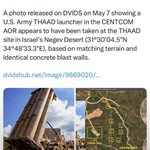
موقعیت دو رادار AN/TPY-2 سامانه THAAD مشخص است، اما مختصات یکی از این رادارها که پیشتر توسط @EGYOSINT شناسایی شده بود، در نقشه پیدا نشد.


To access the file, you can either use the online version via Google Earth or download it directly from my Telegram channel:
Online version: earth.google.com/earth/d/1-Y…
Download: t.me/GEOIMINT/382
بیت رهبری با چندین نوع موشک مورد هدف قرار گرفت. شاهدان از وجود چندین حفره خبر دادهاند و برخی منابع از:
موشکهای بالستیک هواپرتاب (توسط F-16I و F-15I)
Blue Sparrow
Golden Horizon
و
Air LORA برای اهداف مستحکم و احتمالا حفرهها ناشی از آن هستند
موشک کروز:
Ice Breaker توسط F-35I

محل رادارها و سامانههای پدافند هوایی عربستان بر اساس تصاویر Google Earth توسط @GEOIMINT مشخص شده است. برای تعیین دقیق مختصات هر موقعیت، باید وارد لینک زیر شد.
Online version: earth.google.com/earth/d/1sE……
Download: t.me/GEOIMINT/379

To access the file, you can either use the online version via Google Earth or download it directly from my Telegram channel:
Online version: earth.google.com/earth/d/1sE…
Download: t.me/GEOIMINT/379
اولین بار هست یک توییت خوب از عراقچی دیدم اما تهدید زمانی اعتبار دارد که پشتوانهای عملی داشته باشد.

این کارشناس نظامی آمریکایی میگوید جنگ با ایران پیامدهایی داشت که کاملاً قابل پیشبینی و قابل اجتناب بود. با گذشت هر روز، ابعاد این پیامدها آشکارتر میشود و حتی پایان جنگ با توافق نیز چیزی از شکست راهبردی آمریکا کم نمیکند.

The war with Iran put so much at risk. We are seeing that more with each passing day and these manifestations will only accelerate now. Totally foreseeable and thus avoidable. There is no amount of denial or propaganda that can overcome this reality. If it ended tomorrow with a successful negotiation, it would still be a massive loser strategically for the U.S.
تصور آمریکاییها و اسرائیلیها از سناریوی «جنگ سهروزه» علیه ایران، نمایش قدرت نظامی و وادارکردن تهران به مذاکره در روز سوم یا مطابق با اراده آنهاست. مسئله اصلی، تبدیل عملیات نظامی پُرشدت به فروپاشی اراده سیاسی و اختلال در فرآیند تصمیمگیری در تهران است.
۱/۹
برای برهمزدن محاسباتشان، ایران باید گزینه پاسخ پیشدستانه در برابر تهدید قریبالوقوع را در کنار حفظ ابتکار عمل نظامی مدنظر داشته باشد. هدف، سلب ابتکار عمل از دشمن، جلوگیری از تحمیل زمان و دامنه درگیری و حفظ توان پاسخگویی است، البته اقدام پیشدستانه پیچیدگیهای خود را دارد.
۸/۹
یادآوری!

۱۱۰ کشتی معطل باز شدن کانال سوئز | اختلال در انتقال نفت و گاز به اروپا
کشتی باری ۲۲۰ هزار تنی متعلق به تایوان سه روز است که مهمترین کانال تجاری جهان و گلوگاه حیاتی عبور محمولههای نفتی را بند آورده است.
hamshahrionline.ir/x73wT

ALT ۱۱۰ کشتی معطل باز شدن کانال سوئز | اختلال در انتقال نفت و گاز به اروپا کشتی باری ۲۲۰ هزار تنی متعلق به تایوان سه روز است که مهمترین کانال تجاری جهان و گلوگاه حیاتی عبور محمولههای نفتی را بند آورده است. hamshahrionline.ir/x73wT