The Korean War—the “Forgotten War”?
Forgotten by whom?
We in South Korea have not forgotten.
On 25 June 1950, North Korean troops crossed the 38th parallel.
South Korean forces fought to keep their country from being overrun. Americans and troops from other nations joined them under the UN flag.
Over the course of the war, North Korea mobilized at least 785,000 personnel from its own territory alone, excluding recruits from the occupied South.
China’s official accounts put its cumulative participation at about 2.9 million.
South Korean official figures list the five largest foreign contributors by cumulative personnel:
United States — 1,789,000 served; 36,574 dead and 92,134 wounded.
United Kingdom — 56,000 served; 1,106 dead and 2,674 wounded.
Canada — 26,791 served; 516 dead and 1,212 wounded.
Türkiye — 21,212 served; 900 dead and 1,155 wounded.
Australia — 17,164 served; 340 dead and 1,216 wounded.
Eleven more countries sent combat troops—16 combat contributors in all.
A further six provided medical support during the war and its aftermath, bringing South Korea’s recognized total to 22 nations.
Across the UN contingents, South Korean records list 40,803 dead and 103,460 wounded, as well as 3,950 missing and 5,819 taken prisoner.
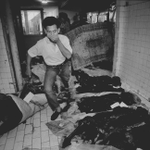
Those who came to Korea faced summer heat, winter cold, artillery fire and repeated assaults.
They fought on hills whose names their families had never heard.
Medics treated the wounded. Others helped civilians escape the fighting.
Many never came home.
For Korean families, this war is not a distant chapter in someone else’s history.
It left empty places at the table, relatives separated by a border, and names carved into memorials.
The armistice stopped the fighting in 1953.
The U.S.–ROK military alliance that followed has remained one of the foundations of South Korea’s security and present-day prosperity.
Koreans rebuilt their country.
The men and women who helped defend it gave that rebuilding a chance.
To every American veteran and every veteran of the other nations who served under the UN flag in Korea:
to those still with us, those who have passed away, and those who never returned—
Thank you.
We have not forgotten you.
JOHAN retweeted
사라는 책은 안사고 쥬스업 세개 사서 네개 됏음요 여러분들이 책임지고 저랑 교독 해주셔야 함 이끼숲은 과반수로 반영해서 다음 서점 방문시 즉시 업어오도록 하겟습니다
JOHAN retweeted
나 진짜 트친분들 완독 해시태그 만들어주는 거 채택당하면 너무 좋다고 와중에 ㄹㅇ 몇분 계신데 사실 기억은 다 안나고 볼때마다 음 저거 내작품이지 함 아니여도 어쩔수없음
JOHAN retweeted
착한 사람이 잘되는 세상 << 이 된다면 저 망할 수도 있겠는데요? 그나저나 인성문제가 아니고 착할 수 없는 기회가 없었던 것 뿐입니다 ㅜ ㅜ ... (불의를 못참기는 합니다만)
라곰 출판사의 <운명거래 연구소> 제가 참 사주, 운명에 관심이 많은 편인데요 후딱 읽고 서평 낋여와보겠습니다?
JOHAN retweeted
근데 <완벽한 청소> 아직 못읽엇고 책없으신분 계시죠? 저 곧 내돈내산 이벤트 할거임 ㄱㄷ려봐요
#광고 #도서제공 #완뿝
있어야 할 것이 없고, 없어야 할 것이 있었다.
▒▒▒의 시신이 사라졌다.
그리고 ●●●의 시신이 생겨났다. -92p
노청엽 장편소설 <완벽한 청소>, 이런 분께 자신 있게 추천합니다 ⤵️
☑️ 추미스 장르 소설은 깊생 요소가 없어서 싫다 하시는 분
☑️ 질질 끄는 소설 딱 질색팔색이다 하시는 분
☑️ 제 추천 책을 완즈이 맹신할 수 잇다 ! 하시는 분 😳🫰🏻
일단 20페이지 전후로 시체가 나오더니 100페이지도 되기 전에 사건의 판이 머릿속에 착착! 정리정돈 됩니다. 그래서 지루한 책에 지치신 분들 꼭 읽어보셨으면 좋겠어요 ㅜ ㅜ
ㅡ
저는 사실 읽기 전 책의 첫인상이 초반 도파민만 끝내주는 거 아님? 마지막에 휘몰아치는 거 아님? 둘 중 하나겠지 싶었는데요. 그냥 첨부터 끝까지 휘몰아치는 소설입니다. .🌪️ 미쳐 미쳐 이걸 어떻게 싫어해 ...
💬 한 달에 몇백은 우습게 나가는 식물인간 남편의 병원비. 도저히 감당할 수 없는 금액에 우리의 영숙씨는 “가짜 엄마” 노릇에 도전하게 되는데요. 어느 날 “가짜 딸”이 부른 식사 자리에서 딸의 시체를 마주하게 됩니다. 엥? 근데 고개를 드니 캐리어에 돈다발이 삐져나와 있어요... 우리의 영숙씨.. 과연 어떤 선택을 하게 될까요...
🔖 keyword : 거짓말
자신이 거짓말하고 있다는 사실조차 의식하지 못할 만큼 능숙하게 거짓 세상을 쌓으며, 그 속으로 점점 잠식되어가는 등장인물들. 각 인물들이 하는 거짓말이 뭔지 하나하나 밝혀질 때마다 제 전두엽 세포는 파괴되었습니다(p)
세상에는 아무것도 아닌 발걸음이 없습니다. 어디로 향하는지 모를 때 조차 사람은 저마다의 이유에 이끌려 걷게 마련이지요. -155p
근데 또 그들에게는 또 독자들이 그냥 넘어가지 못하는, 거짓말을 할 수밖에 없는 저마다의 사정들이 있다구요 ··· (지끈)
거짓말 위에 거짓말을 쌓으면 결국 그 안에 갇혀 죽는거야. -281p
💭 충격적인 반전, 미쳐버리게 하는 도파민, 지끈거리게 하는 깊생요소 뭐 하나 빠지는 게 없는 책이었던 <완벽한 청소>.
제가 너무너무 마음에 들었던 점은 이 책의 “에필로그”였는데요? 가끔 애매 - 하게 결말이 완성되어 ‘아 그럼 걔는 어케 됨?’ 하는 책들이 많은데, 에필로그가 그런 점을 박박 긁어줬어요 ... 저의 답답함 청소 완 ;;
여러분들은 혹시 저마다의 이유를 핑계로 대며 만든 거짓 세상에 잠식되고 있지는 않으신가요?
여러분들에게 “완벽한 청소”는 어떤 의미인가요?
ㅡ
타래에는 제가 읽으며 남겨두었던 페이지, 주접들 한번 풀어볼게요
京都・泉涌寺塔頭「即成院」で、毎年10月の第3日曜日に行われる「二十五菩薩お練り供養法会」。
阿弥陀如来と二十五菩薩を祀る即成院に伝わる、極楽浄土への往生を願う伝統行事です。
출처
instagram.com/reels/Deo0-H5B…
“I’d rather use a nuclear bomb.” — Nixon on North Vietnam
His national security adviser, Henry Kissinger, called that “too much.”
They had been discussing North Vietnam’s dikes.
Nixon had proposed destroying them.
Kissinger estimated that doing so could drown about 200,000 people.
Nixon pressed him:
“I just want you to think big, Henry, for Christ’s sake!”
The exchange was recorded on April 25, 1972.
North Vietnam’s Easter Offensive was under way in the South, and Nixon was considering how far to escalate U.S. attacks.
In the same conversation, he also discussed threatening nuclear use.
On May 8, he told the National Security Council:
“Obviously, we are not going to use nuclear weapons but we should leave it hanging over them.”
That evening, Nixon announced the mining of North Vietnam’s ports.
U.S. aircraft mined Haiphong, and the Linebacker bombing campaign followed.
No nuclear weapon was used in the Vietnam War.
Nixon still wanted the enemy to fear that one might be.
How could Hanoi be sure the threat would remain only a threat?
JOHAN retweeted
#광고 #도서제공 #완뿝
있어야 할 것이 없고, 없어야 할 것이 있었다.
▒▒▒의 시신이 사라졌다.
그리고 ●●●의 시신이 생겨났다. -92p
노청엽 장편소설 <완벽한 청소>, 이런 분께 자신 있게 추천합니다 ⤵️
☑️ 추미스 장르 소설은 깊생 요소가 없어서 싫다 하시는 분
☑️ 질질 끄는 소설 딱 질색팔색이다 하시는 분
☑️ 제 추천 책을 완즈이 맹신할 수 잇다 ! 하시는 분 😳🫰🏻
일단 20페이지 전후로 시체가 나오더니 100페이지도 되기 전에 사건의 판이 머릿속에 착착! 정리정돈 됩니다. 그래서 지루한 책에 지치신 분들 꼭 읽어보셨으면 좋겠어요 ㅜ ㅜ
ㅡ
저는 사실 읽기 전 책의 첫인상이 초반 도파민만 끝내주는 거 아님? 마지막에 휘몰아치는 거 아님? 둘 중 하나겠지 싶었는데요. 그냥 첨부터 끝까지 휘몰아치는 소설입니다. .🌪️ 미쳐 미쳐 이걸 어떻게 싫어해 ...
💬 한 달에 몇백은 우습게 나가는 식물인간 남편의 병원비. 도저히 감당할 수 없는 금액에 우리의 영숙씨는 “가짜 엄마” 노릇에 도전하게 되는데요. 어느 날 “가짜 딸”이 부른 식사 자리에서 딸의 시체를 마주하게 됩니다. 엥? 근데 고개를 드니 캐리어에 돈다발이 삐져나와 있어요... 우리의 영숙씨.. 과연 어떤 선택을 하게 될까요...
🔖 keyword : 거짓말
자신이 거짓말하고 있다는 사실조차 의식하지 못할 만큼 능숙하게 거짓 세상을 쌓으며, 그 속으로 점점 잠식되어가는 등장인물들. 각 인물들이 하는 거짓말이 뭔지 하나하나 밝혀질 때마다 제 전두엽 세포는 파괴되었습니다(p)
세상에는 아무것도 아닌 발걸음이 없습니다. 어디로 향하는지 모를 때 조차 사람은 저마다의 이유에 이끌려 걷게 마련이지요. -155p
근데 또 그들에게는 또 독자들이 그냥 넘어가지 못하는, 거짓말을 할 수밖에 없는 저마다의 사정들이 있다구요 ··· (지끈)
거짓말 위에 거짓말을 쌓으면 결국 그 안에 갇혀 죽는거야. -281p
💭 충격적인 반전, 미쳐버리게 하는 도파민, 지끈거리게 하는 깊생요소 뭐 하나 빠지는 게 없는 책이었던 <완벽한 청소>.
제가 너무너무 마음에 들었던 점은 이 책의 “에필로그”였는데요? 가끔 애매 - 하게 결말이 완성되어 ‘아 그럼 걔는 어케 됨?’ 하는 책들이 많은데, 에필로그가 그런 점을 박박 긁어줬어요 ... 저의 답답함 청소 완 ;;
여러분들은 혹시 저마다의 이유를 핑계로 대며 만든 거짓 세상에 잠식되고 있지는 않으신가요?
여러분들에게 “완벽한 청소”는 어떤 의미인가요?
ㅡ
타래에는 제가 읽으며 남겨두었던 페이지, 주접들 한번 풀어볼게요
“Vietnamese pho was made from French diners’ food waste.” Is that true?
One story circulating abroad places pho’s origins in the French colonial period.
Vietnamese servants supposedly collected the scraps and broth left from French diners’ pot-au-feu, added rice noodles, and ate the mixture.
This habit, the story goes, gave birth to pho.
That is not an established history of the dish.
The often-cited explanation about beef bones describes a different process.
In the account presented by Vietnamese food writer Andrea Nguyen, growing French demand for beef left Hanoi butchers with bones and trimmings to sell.
Street vendors already making noodle soups found a use for these ingredients.
Vietnam’s tourism authority also describes a surplus of beef bones used by Vietnamese and Chinese vendors.
These accounts concern ingredients from the meat trade.
They do not document people collecting half-eaten French meals.
One theory traces pho’s development to a local water-buffalo noodle soup.
Cooks replaced buffalo with beef, changed the noodles, and developed a new dish.
By the 1930s, vendors carrying their cooking equipment on shoulder poles were a familiar sight in Hanoi.
“A dish of sliced noodles cooked with beef.”
That was how a Vietnamese dictionary described pho in 1931.
Its exact beginnings remain disputed.
French influence on the food economy and the use of beef bones do not establish a food-waste origin.
The familiar bowl took shape in Vietnam’s kitchens and streets, through the work of its noodle sellers.
So who keeps spreading this malicious rumor?
Did Vietnamese Pho Come from China?
Some Chinese readers say it did.
On my previous post, one pointed to similar rice-noodle dishes in Guangdong and Guangxi.
Another comment pointed to Chinese characters in an illustration.
But the origin debate has a history beyond the comments.
Vietnam's Nhân Dân newspaper describes a theory linking pho to ngưu nhục phấn: beef noodles sold by Cantonese people in Hanoi.
A related explanation traces the name phở to the Chinese word 粉, used for rice noodles.
Other accounts begin with xáo trâu, a local water-buffalo noodle soup.
Vendors replaced buffalo with beef and changed the noodles as the dish developed.
French demand for beef also enters the story.
Vietnam's tourism authority describes beef bones being used by Chinese and Vietnamese vendors to develop the broth.
But notice where the Cantonese vendors in that theory were working: Hanoi.
A Chinese cook helping develop a dish in Vietnam and a finished dish brought from China would be different histories.
The origin of the word, the noodles, and the finished dish need not be identical.
Chinese characters in an illustration cannot, by themselves, settle where the recipe was first created.
These accounts place pho's early development in northern Vietnam.
Who first made it, and exactly how it developed, remain disputed.
Did everything originate in China?
Replying to @35freedomknight
역사에 If는 없다고 가끔 엄근진하신 역사학도나 전문가들이 계시긴 한데, 솔직히...if놀이가 가장 재미있긴 하잖아요ㅋㅋㅋ
Replying to @35freedomknight
건문제가 승리했더라도 후대에 북방 방어와 정치적 필요에 따라 천도가 추진되었을 가능성은 어느 정도는 있지 않을까 싶기도 합니다만, 주체가 현장사살 된다면 흠...ㅋㅋ쿠데타는 이미...