

Non-profit redefining food safety. Testing 130+ toxins & contaminants destructive to health. Delivering truth, transparency & trust with label certifications.
Denver, CO
Joined April 2016
- Tweets1.1K
- Following674
- Followers1.4K
- Likes321


Consumers want more than an ingredient list—they want to know what’s really in the products they bring home.
Today, we’re sharing @missionmightyme’s story and how they went beyond the status quo.


Packaging mattered more than we expected.
Canned coffee tested significantly higher for acrylamide and phthalates, while bagged coffee and pods generally showed lower levels.
The takeaway? Look beyond the label. Packaging can play a role in what ends up in your cup

Consumers want more than an ingredient list—they want to know what’s really in the products they bring home.
Today, we’re sharing @cure's story and how they went beyond the status quo.


Two labs. One sample.
Lab A can read every word clearly. Lab B can’t quite make out the text.
The words haven’t disappeared. One lab simply has better “vision.”

Consumers want more than an ingredient list. They want to know what’s really in the products they bring into their homes—and brands that lead with transparency are finding new ways to prove their commitment to product purity.
Today, we’re sharing the story of Puori


Clean Label Project® found AMPA— a breakdown product of glyphosate —in 100% of the organic coffee samples we tested. That’s alarming, considering glyphosate isn't permitted in organic production.
Read all of our findings on our website at cleanlabelproject.org.

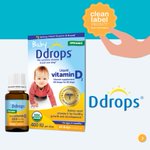
Consumers want more than an ingredient list. They want to know what’s really in the products they bring into their homes—and brands that lead with transparency are finding new ways to prove their commitment to product purity.
Today, we’re sharing the story of D Drops


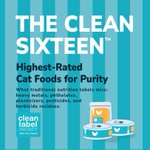
Thank you for your message. There's also a box at the bottom of that page that links to all the products tested or you can look at the Clean Sixteen link for cat foods: cleanlabelproject.org/cat-fo…

Check out Clean Label Project’s Clean Sixteen™ for cat food. We tested more than 100 of the nation’s top-selling cat food products.
lihttps://cleanlabelproject.org/cat-food-study/


Clean Label Project retweeted

Nearly all tested cat foods contain toxic plastic contaminants, the herbicide glyphosate and heavy metals such as lead, mercury and arsenic, according to a new investigation provided exclusively to CNN. cnn.it/3U7WbOl

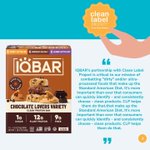
Consumers want to know what's really in the products they bring home. Today: the story of
@eatiqbar
, the challenge they faced, the steps they took, and what happened when they put their commitment to the test. Full story: cleanlabelproject.org


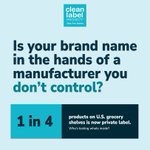
Private label is booming—but who’s testing what’s inside?
One in four grocery products is now private label, growing nearly 3x faster than national brands.
The retailer owns the name. The manufacturer controls what goes inside.
cleanlabelproject.org/privat…


Two labs can test the same product and report different results. It usually comes down to four things: ISO/IEC 17025 accreditation, detection limits, equipment and methods, and per-serving evaluation. More on each over the next few weeks.

We tested 57 top-selling coffees. After 7,000+ lab tests: medium roasts showed the highest contaminant levels in our testing, dark and light roasts generally tested lower for acrylamide.
The 16 coffees that rose to the top are on our website.
#CleanLabelProject #CleanSixteen


Certification isn't a one-time stamp. @HolleUSA completed annual testing and once again met Clean Label Project® certification criteria. Products are re-screened every year — that's the standard.
#CleanLabelProject #Recertified #PurityAward


The fewer the ingredients, the lower the contaminant load.
Across 4,000+ packaged foods tested 2017–2026, we found a measurable link between ingredient count and contamination. More ingredients, more entry points.
Full study: cleanlabelproject.org/less-i…

Glyphosate is so pervasive that we've detected it even in many organic products. That's why testing and transparency are essential—they empower consumers with the truth about what's in their food and can accelerate marketplace change faster than legislation alone.
Americans can help drive change by demanding brands test their products for glyphosate and other hidden contaminants.