

Premium + 🇩🇪🇰🇷 Quant Value Investor
Frankfurt am Main
Joined June 2024
- Tweets54.8K
- Following4.3K
- Followers5.1K
- Likes48.1K








Elon Musk says he'll give one #SpaceX share to every child in America next year.
~72 million kids. Friday's close was $146. That's about $10.5 billion.
Existing shareholders don't get diluted. The shares come out of his own holding, not from new issuance.
The part nobody explained: how. His founder shares are locked up until June 2027.
$SPCX


3/ The politics matter more than the night.
The presidential election is about six months away. Le Pen calls the government "exhausted". Mélenchon says it's "playing with fire".
Fuel prices tied to the Gulf conflict are still the fuse.
2/ The response is practical, not drastic.
The prime minister chairs a crisis cell from tomorrow to speed up help for shop owners. Prefects can ban certain rallies "if necessary". Looters must pay back, he said.
1/ He split the crowd in two.
Hundreds of thousands marched over living costs, fuel prices and school conditions. He called those demands legitimate.
Then he blamed far-left groups and "numerous criminals" for looting and attacks on city halls: "Nothing justifies it."
France just had its worst night of unrest in years, and the president went on TV tonight.
550,000 protesters, per authorities (organisers say 800,000). 2,300+ arrests. Limoges city hall burned.
No state of emergency. No curfew.
Here's what Macron said 🧵

5/ Currency.
Lower rates can push capital out and weaken the currency. Exporters win, importers and travelers lose.
Effects take months to a year to show up. Which of these do you think moves first? Save this before the next cut.
4/ Growth and inflation.
Spending and investment rise, so growth and jobs improve. But if inflation is already high, cutting can add fuel.
3/ Stocks and housing.
Lower discount rates lift valuations, especially growth and tech. Housing demand rises and prices follow. Debt can build up along the way.
2/ Companies.
Cheaper financing means more investment, more hiring and better profit margins. The risk: cheap money keeps weak "zombie" companies alive.
1/ Households.
Mortgage and loan payments fall, so spending power rises. But savers earn less, so money moves into stocks and real estate.
Everyone loves a rate cut.
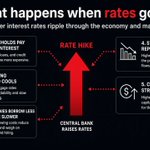
But cheap money creates winners and side effects at the same time. Here's the full map 🧵

5/ Currency.
Higher rates attract foreign capital and strengthen the currency. Importers win, exporters lose.
Which one are you most exposed to right now? Save this before the next meeting.
4/ Stocks and bonds.
Higher discount rates push valuations down, and rising bond yields make bonds more attractive than stocks. Banks and insurers can benefit.
3/ Companies and jobs.
Borrowing costs rise. Highly indebted firms struggle, and hiring and wage growth slow. If it goes too far, unemployment rises. That's why central banks move carefully.