
Professor, student and a science and technology geek-- oh yeah, sometimes a bit of law
Bloomington
Joined February 2009
- Tweets11K
- Following2.1K
- Followers915
- Likes9.2K







Pinned Tweet
Universities have known for years that they needed to figure out how to navigate the tension between academic freedom and basic HR issues. They outsourced those issues to the faculty, under the guise of shared governance. While on the ground toxic people were never managed.
Dr. Angie Raymond retweeted

Meta ordered to name execs who approved torrenting for AI training arstechnica.com/tech-policy/…

Dr. Angie Raymond retweeted

Opinion: A journal editor tested AI-generated peer reviews and found them detailed, constructive — and sometimes bracingly critical. The harder question: not whether AI is perfect, but whether it can outperform the system academics already distrust. chroni.cl/4sf8h4J

Dr. Angie Raymond retweeted

Where does your college stand? The university map covers 1,557 four-year schools on two questions: how well each could absorb a hit to enrollment or revenue, and how its graduates do. Refreshed this week with the newest IPEDS and College Scorecard data.
kylesaunders.com/university-…

This, this- yes, THIS!

When AI “goes rogue,” is the AI really to blame?
Computer scientists have known for decades what can happen when software is given a goal without enough limits.
theconversation.com/the-war-…



Dr. Angie Raymond retweeted

1/ Cornell just dropped a 200+ page report on “The Future of the American University” — the latest in a string of reports this year focused on reform.
provost.cornell.edu/_files/i…

Dr. Angie Raymond retweeted

Every practicing lawyer I know has stories of clients sending ChatGPT/Claude legal analysis (often based on misguided or one-sided inputs, giving a GIGO effect). Just funny - yet unsurprising - to see Lane Kiffin of all people doing it.
espn.com/college-football/st…


Dr. Angie Raymond retweeted

Lane Kiffin turned to ChatGPT while looking into whether LSU could roster two former NFL players this season 😲

Brilliant! Thank you!

Lol, orrrr, just bear with me here, you can read a blow by blow of what actually happened 🤷 which I don't think you'll do, because Cookie Monster theory is more exciting.
mail.cyberneticforests.com/m…

Dr. Angie Raymond retweeted

How much should something cost? Professor Abbey Stemler weighs in on surveillance pricing, where retailers use personal data to determine what you'll pay. lat.ms/4gsCFEI

ALT A busy supermarket scene with several individuals shopping. There are grocery aisles filled with products like chips, canned goods, and snacks. Some shoppers have carts, while others carry baskets. The image includes digital overlays tracking their movements. Several products and snacks are visible, showcasing a typical grocery store environment.
Dr. Angie Raymond retweeted

Find myself reading The Times statement again. It’s so damn spot on.
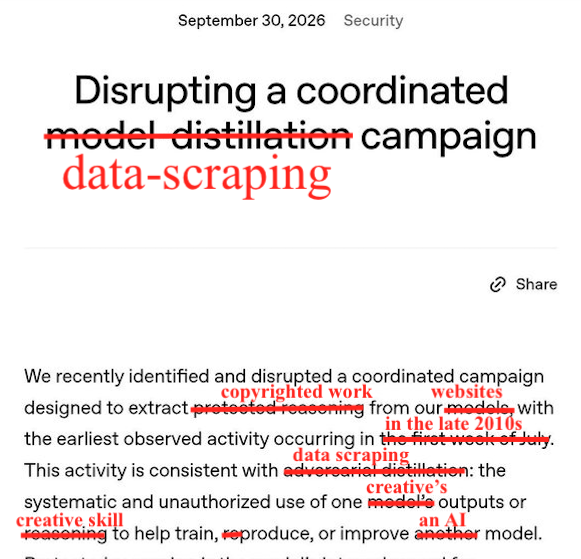
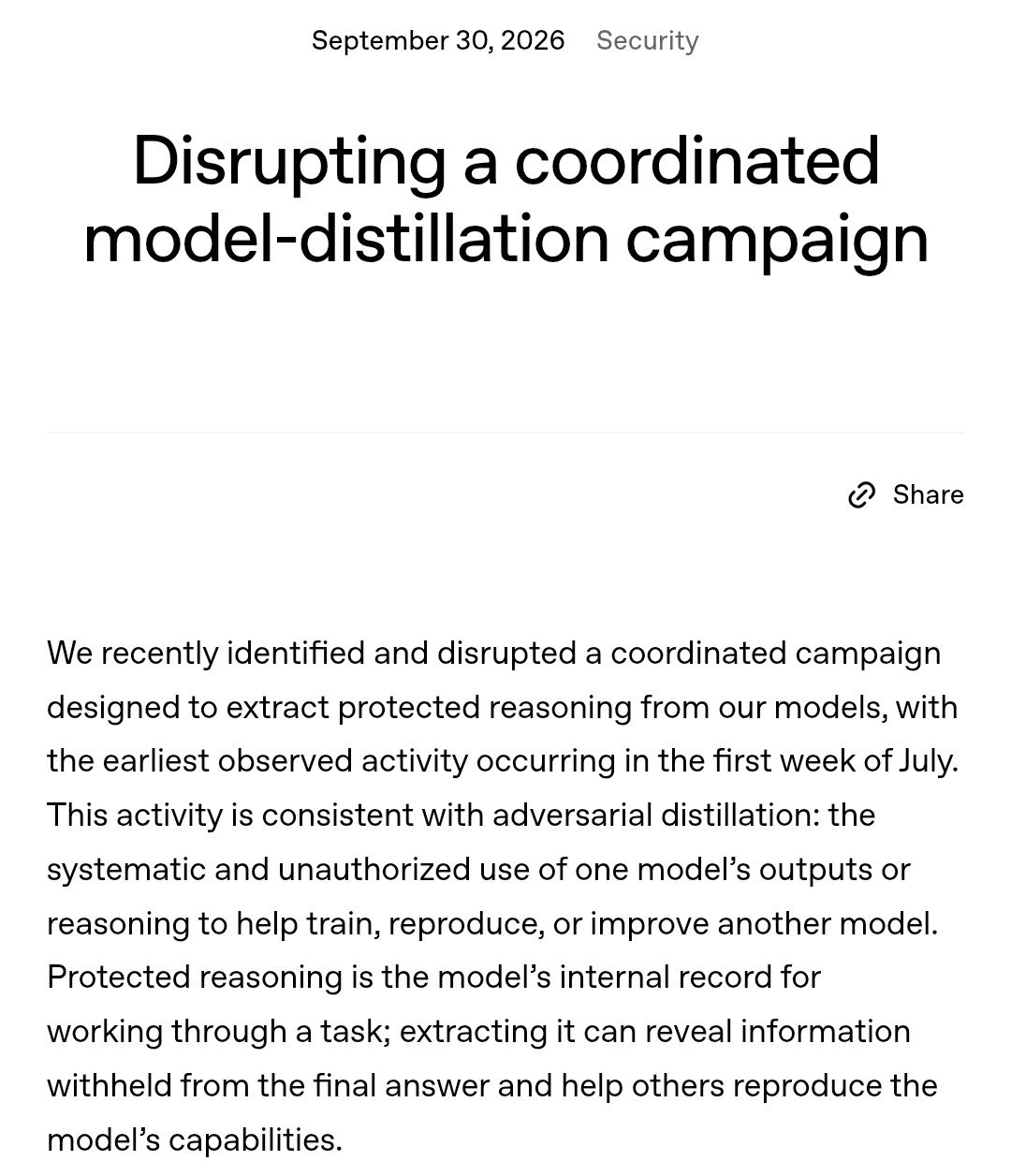
- trillion dollar AI companies stole the work of creators
- not having to pay fairly for content undermines market for human-created content
- AI needs this content to function
- healthy society does, too


Dr. Angie Raymond retweeted
My AI Policy for my Parties and Elections class this fall, if anyone is interested.

Here’s the bad part- when people think they’re talking to AI they are “less nice.” So what happens when we have to put people back into these roles. You can imagine the crap they’re gonna take! Y’all bringing these soon to be realized outcomes on yourself- we’ve been warning you.

The generative AI apology: better than a human’s, sometimes: New research finds generative AI outperforms human agents at handling minor service failures, but loses its edge when initial fixes fail, unless empathy or compensation is added. dlvr.it/TTpZX9

Dr. Angie Raymond retweeted

Governing Corporate Knowledge Commons by David Gindis
Explores the shared knowledge, values, and other intellectual resources created and maintained by corporate forms of organization.
📚 cup.org/4flDmz6
#corporatelaw

ALT Governing Corporate Knowledge Commons by David Gindis
Dr. Angie Raymond retweeted

The next great AI application, driven by open source, or open weights, will be a job simulator.
How employees gain experience in a future AI world is going to be far different from today. Employees won’t have as many touch points in the company to gain knowledge and experience from. That’s where judgement has historically come from.
Much like race car drivers and pilots have software that is continually updated to enable them to experience as many scenarios as possible, trying to replicate what could happen IRL, smart companies will have their employees and stakeholders with the most domain knowledge create the simulator that takes them through every possible situation they could face and helps prepare them.
Onboarding will have a completely different meaning
Smart companies will realize that Father Time is not only undefeated in sports , but business as well. If you are not capturing what is your business is all about from ALL of your employees , you will be challenged.
Dr. Angie Raymond retweeted

Hugging Face confirms breach affected internal datasets and credentials, urges users to take action techcrunch.com/2026/07/20/hu…

Dr. Angie Raymond retweeted

Yesterday, WIRED learned that Madison Square Garden was suing us for our accurate reporting.
We stand by our work. That’s why we’re removing the paywall from two of the MSG stories they don’t want you to read, making them free for everyone.
Dr. Angie Raymond retweeted

When AI Models Learn from Employees: The Next Trade Secret Battleground jdsupra.com/legalnews/when-a…

Dr. Angie Raymond retweeted

We turned the 1,534 submissions to the UN Global Dialogue on AI into a free explorer.
Every proposed measure is searchable by region, type of stakeholder and theme.
If your organization wrote in, you can find yourself and see who else proposed similar submissions.
What the data shows:
→ Safety is the #1 theme, picked by 73% of submitters from the UN's own list
→ Submitters point to binding law more often than to voluntary norms, 50% to 39%
→ Capacity building is a global demand: 58% propose it, rising to 74% among African submissions
Overall, a strong mandate for action in the coming months.
The explorer link below.

Dr. Angie Raymond retweeted

We're calling on @NYCMayor and NYCPS to place a moratorium on classroom AI!
"New York City Public Schools should resist Big Tech’s agenda of turning public school kids into lab rats for untested products that threaten harm to development, mental health, and data security — and which Silicon Valley parents don’t let their own kids near."
