

Working with small farmers and agripreneurs to develop sustainable value chains in Mountains of #GilgitBaltistan #Gilgit_Baltistan #Pakistan
GilgitBaltistan
Joined January 2021
- Tweets7.1K
- Following698
- Followers685
- Likes34.1K






#Uniquemodel
#Sugar vs #Sugarcan
#Farmer vs #Sugar Mill
980000 farmers vs 90 Mill owners.
Politicians own mills ..farmers own field.
Protection of Mill owners does not mean protection of farmers.

1. 980,000 sugarcane farmers. 90 sugar mills
2. The government has removed price protection for farmers but retained protection for sugar mills against foreign competition
3. Farmers face the free market
4. Mill owners enjoy a protected market
5. Consumers pay the price
My column in The News:
Sugar: faulty deregulation
On November 24, the federal Cabinet approved the National Policy for Deregulation of the Sugar Sector. The decision ends government price controls, export subsidies and restrictions on the movement of sugar between provinces. The objective: to meet a delayed IMF condition.
Fact 1: Pakistan has approximately 90 sugar mills. Fact 2: Pakistan has approximately 980,000 farmers who grow sugarcane. Fact 3: Pakistani farmers sell a bulky, perishable crop to a relatively small number of local processing facilities.
The government used to announce the price of sugarcane. The question is not who announces the price. The question is who controls the price. The government has removed price controls. But has it ensured effective competition among sugar mills? Not yet. The result could be more power for mill owners and less power for farmers.
Red alert: Deregulation without competition will replace government control with private-sector control. That is the fundamental risk.A market with many sellers and a few buyers is called an oligopsony. Pakistan’s sugarcane market has features of an oligopsony. Remember, a monopoly raises the consumer price — and an oligopsony lowers the producer price. In sugar, both can happen at once, with growers squeezed on one side and consumers on the other.
This faulty deregulation has placed 980,000 farmers at a great disadvantage. The farmer has lost a guaranteed minimum cane price. The sugar mills have gained the freedom to purchase cane at negotiated prices. And the mill owners have gained greater freedom to sell sugar. This is asymmetric deregulation.
Here’s the other half of this faulty deregulation. The government has removed price protection for sugarcane farmers but continues to protect sugar mills from foreign competition. Sugar imports still face an estimated 55 per cent effective protection through duties and taxes.
Why should 980,000 farmers face market forces while 90 sugar mills remain protected from international competition? This is deregulation for the mill owner, not for the farmer or the consumer.
Yes, the farmer now faces the free market. Yes, the mill owner continues to enjoy a protected market. And the consumer will pay the price of this faulty deregulation.
38
Dry weather....no signs of rain/snowfall. #Water scarcity in mountains means disturbance in #ecosystem
Get ready for next year...we are preparing to deliver highest quality (uniform size 28mm and above) #Charries from #Hunza #Yassin and #Ishkoman.
We are supporting farmers by developing value chain.
#GilgitBaltistan
@zaighamkhan
@katetlay
@soulat_pasha


Is this the right way to deliver vegetables to consumers?
Could a better method be adopted instead of this one?
Mandi system is supply chain has to be reconsidered.


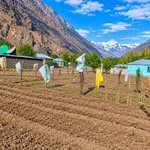
Alhamdullelah :::Still to have harvest....we are proceeding towards the targest.
Farmers doing good even Challenging #Climate


6
72
The next phase:
We are going to include an additional 300 farmers in this project, enabling them to cope with climate change and secure their earnings.
#AgaKhanEconomicPlaningBoard


1
3
55


یہ سوچ صرف اس بندے تک محدود نہیں ہے...

بلوچستان میں خواتین کی سیاست میں اصل رکاوٹ خواتین کو کمتر سمجھنے والی یہ فرسودہ سوچ ہے!
بلوچستان کی سیاسی ترقی کی راہ میں سب سے بڑی رکاوٹ یہ ذہنیت ہے جو مخصوص نشستوں پر منتخب ہو کر آنے والی خواتین کو ’’غیر منتخب نمائندے‘‘ قرار دے کر ان کی سیاسی حیثیت اور جمہوری کردار کو کم تر سمجھتی ہے۔
میں ایسے تمام افراد سے ایک سوال کرنا چاہتی ہوں: اگر مخصوص نشستوں پر آنے والی خواتین واقعی غیر منتخب ہیں، تو پھر اسپیکر کے انتخاب میں ان کے ووٹ کی اہمیت کیا ہے؟ وزیراعلیٰ کے انتخاب میں ان کا ووٹ کیسے شمار ہوتا ہے؟ سینیٹ کے انتخابات میں ان کی رائے کیوں فیصلہ کن ہوتی ہے؟ اور اسمبلی کے اندر قانون سازی اور دیگر آئینی و پارلیمانی معاملات میں ان کا کردار کیوں تسلیم کیا جاتا ہے؟
حقیقت یہ ہے کہ مخصوص نشستوں پر منتخب ہونے والی خواتین بھی آئینی اور قانونی طریقۂ کار کے تحت منتخب اراکینِ اسمبلی ہوتی ہیں۔ ان کی نشستوں کا انتخابی طریقہ عام نشستوں سے مختلف ضرور ہے، لیکن اس بنیاد پر ان کی رکنیت، سیاسی حیثیت اور پارلیمانی کردار کی نفی نہیں کی جا سکتی۔
آئینِ پاکستان کا آرٹیکل 106 بلوچستان اسمبلی میں خواتین کے لیے مخصوص نشستوں کی واضح آئینی بنیاد فراہم کرتا ہے۔ اسی طرح آرٹیکل 25 قانون کے سامنے مساوات اور مساوی قانونی تحفظ کے اصول کو تسلیم کرتا ہے۔ آرٹیکل 34 ریاست کو خواتین کی قومی زندگی کے تمام شعبوں میں بھرپور شرکت یقینی بنانے کی ہدایت دیتا ہے۔
آج بھی یہ ذہنیت موجود خواتین کی آئینی نمائندگی کو تسلیم کرنے کے بجائے انہیں کمتر کسمجھتے ہیں۔
بلوچستان کی سیاست کا اصل مسئلہ خواتین کی مخصوص نشستیں نہیں، بلکہ وہ فرسودہ سوچ ہے جو خواتین کو برابر کا سیاسی فریق تسلیم کرنے کے لیے تیار نہیں۔
خواتین کو مسلسل کمتر سمجھنا، ان کی سیاسی صلاحیتوں پر سوال اٹھانا انکی حوصلہ شکنی کی کوشش ہے ۔
ہمیں یہ سمجھنا ہوگا کہ خواتین کسی کی رعایا نہیں، بلکہ جمہوری عمل کا حصہ اور عوامی نمائندگی کے نظام کی باقاعدہ رکن ہیں۔
36
