

Makkah Al Mukarrama
Joined February 2022
- Tweets440
- Following136
- Followers356
- Likes16.9K





The first website ever from 1991 is still up: TheProject.html

The first website in history, "info.cern.ch," was created by Tim Berners-Lee and launched on August 6, 1991. #WorldWideWeb #TimBernersLee
The first website in history, "info.cern.ch," was created by Tim Berners-Lee and launched on August 6, 1991. #WorldWideWeb #TimBernersLee
Explore The New York Times archives from 1851 to 2024! 🗞️📅 Find articles from every year in one place nytimes.com/sitemap #NYTimes

HTML, or HyperText Markup Language. It was created by a developer named Tim Berners-Lee in 1991.
Today, every website in the world uses HTML!
As the name suggests, HTML is a markup language; it marks up every piece of content on a web page and defines its type. Pretty simple and perfect for beginners!
However, HTML is just one piece used to build a web page. Most web pages use:
HTML: Create the website skeleton.
CSS: Modify the website appearance.
JavaScript: Make it interactive.


0xjbr retweeted

God forbid a VC be asked to do anything remotely resembling work, like… (checks notes)… clicking on something.
Frankly, these bullshit examples teach young founders to forego common sense (like information security) that puts their company at risk.
If, as an investor, you can’t follow the security protocols of the company, you don’t deserve the information you want.
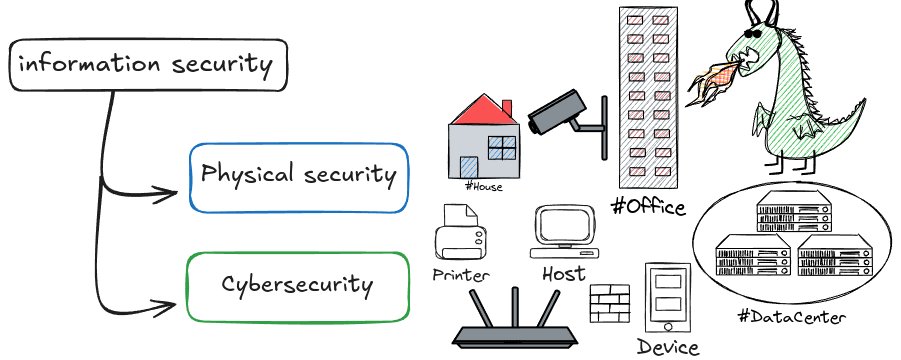

Cyberspace is the interconnected network of IT infrastructure, including the Internet, telecoms, computer systems, and IoT devices. It can also refer to the virtual world as an experience or concept.
What You Need to Know in 2024! 🚨
Data breach costs hit a record average of $4.35M globally. 💸
Cybercrime losses could reach $8T in 2024, making it the 3rd largest "economy" globally. 🌐💀
Recovery time from a cyberattack averages 287 days. ⏳
1 in 3,000 emails still contains malware, even with filtering. 📧⚠️
Cybersecurity jobs set to grow 35% from 2024 to 2031. 🚀👩💻
The art of war teaches us to rely not on the likelihood of the enemy's not coming, but on our own readiness to receive him; not on the chance of his not attacking, but rather on the fact that we have made our position unassailable.

Types of malware:
Viruses 🦠
Worms 🪱
Scareware 😱
Ransomware 💸
Botnets 🤖
Trojan Horse 🐴
Spyware 🕵️♂️
Rootkit 🌱
KeyLogger ⌨️
Logical Bomb 💣
Can you be a malware analyst without reverse engineering?
The answer is yes, and you can be a reverse engineer without being a malware analyst.


