
Econ prof at @UCLALuskin and @UCLAAnderson. NBER Research Associate and former Chief Economist at the White House OMB.
Los Angeles
Joined June 2015
- Tweets27
- Following207
- Followers281
- Likes164



I have a new essay in Fortune on why reprivatizing Fannie Mae and Freddie Mac the wrong way could undermine housing affordability and risk another financial crisis.
As the Trump Administration considers reprivatization of the GSEs, I argue that durable affordability and systemic stability rest on two pillars: strong operational safeguards in good times and a credible government backstop in bad times. Absent these, reprivatization would raise costs for homebuyers and risk destabilizing the housing market—particularly if pursued primarily for the benefit of private shareholders, consistent with the Administration's broader deregulatory efforts.
As we await the Administration’s forthcoming housing affordability proposals, I'll add that any improvements in affordability--of housing and home insurance--require tackling housing supply, tariff-inflamed inflation, and climate resilience. By contrast, interference in monetary policy, hasty GSE privatization, or 50-year mortgages are unlikely to help and may make things worse.
fortune.com/2025/12/30/priva…

173
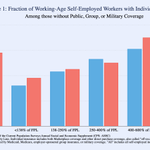
Subsidies at heart of shutdown aren't just about health. They're also about US entrepreneurship. Nearly 60% of self-employed who lack other health insurance options rely on marketplace coverage. Losing subsidies means higher biz costs or going out of business.
lnkd.in/gsvgKq3k
With Vani Agarwal, Helen Levy, and Tom Buchmeuller

My @Briefing_Book piece on how OBBBA’s cuts to Marketplaces will hurt entrepreneurs, w/ Vani Agarwal, Helen Levy, Tom Buchmeuller
briefingbook.info/p/how-cuts…
Failure to extend enhanced premium subsidies will raise costs for small biz owners, forcing them to choose between invesments or keeping coverage

My @Briefing_Book piece on danger the bill’s poses to US economic and fiscal resilience
The impact of Trump's Big Beautiful Bill on national debt would be larger than debt increases following all but the largest recessions
briefingbook.info/p/comparin…
@kevinrinz @ipogadog Jeff Zhang

1/ Thrilled to see the new White House report showing 8.2 million fewer people struggling with medical debt.
The medical debt “pipeline” is an area of study of mine, and I wanted to highlight some of the relevant research:
whitehouse.gov/briefing-room…
8/ Third, people face debt burdens downstream of care: extraordinary collections practices, credit bureau reporting, the use of medical debt in lending and employment decisions. Upstream, stagnant wages and rising healthcare prices makes health insurance coverage less affordable.
1
6
643