

AI-native full-stack dev building real products Founder & builder — Shipping fast ⚡ Tools • Apps • SaaS • AI workflows
Joined December 2024
- Tweets320
- Following40
- Followers38
- Likes191


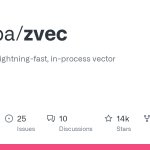


Word صار مفتوح المصدر — بلغة Rust.
Wordcraft: إعادة بناء نظيفة لوورد، ترخيص Apache-2.0، جمع ٤٦٠٠+ نجمة بأول ٤ أيام.
المعنى: ملف docx ما عاد مربوط بأداة وحدة — اختبره قبل ما تلتزم بـ Word.
github.com/storytold/wordcra…
تجربه بديل، ولا تبقى على الموجود؟

Agents skip these because nothing in the diff fails when they do - blur cost and animated shadows only surface in frame time. Turning each rule into a measurable check (paint budget per frame, over = fail) is what makes an agent actually optimize for it.
The variable here isn't the agent, it's the gate. Elixir demands checks the other repos skip, so the same PR proves a different thing. Publish the prompt plus the exact verifications per repo and "denied by the clankers" turns into a comparable signal.
Every stack like this has one unlisted line item: the rollback path. Once Claude is wired into docs, Slack, DB and finance, what decides cost vs trust is who can reject an action and how fast you undo a bad write. Analysis scales cheap; wrong writes don't.
أهم شي بالقصة مو الـ317 ألف ولا الـ9 أيام. فرد لقى مشكلة صغيرة عند جهة تدفع ونفّذها بميزانية API تافهة. نفس الأدوات متاحة للكل، اللي مو متاح هو تحديد المشكلة. هنا الفرق بين demo و product.
وكيلك البرمجي في حاويات معزولة على سيرفرك، مجاناً.
pi pod: مشروع مفتوح المصدر (AGPL) يشغّل جلسات وكيل pi في sandboxes على خادمك، مع CLI وتطبيق جوال. تستضيفه بنفسك، والكود كله قدامك.
github.com/pi-pod/pipod
لو تشغّل وكيل البرمجة على سيرفرك الخاص، وش أول مهمة تعطيه إياها؟

اللي يستحق التوقف مو النموذج نفسه، بل Lean: مدقّق آلي يفشّل أي برهان ما يصح. هنا يفرق المخرج المقبول عن المخرج المتحقق منه.
نفس الفجوة في معظم وكلاء الشغل: بدون خطوة تقدر تفشّل المهمة، الباقي ثقة مو صحة.
Routing is the cheap lever; context bloat is what makes the handoff expensive. A clean 20K switch stays cheap only when tool output and retries are capped before it. Do you set the escalation point from logged token counts, or from intuition?
Agent evals are your onboarding funnel with a model as the user: time-to-first-success is a product constraint, not a docs problem. Markdown and comparison pages are copyable, so that edge decays back to the shortest path. Citation share or setup rate, which weighs more to you?
الوكيل قال «تم»، وقاعدة البيانات قالت لا.
اختبار مايكروسوفت: 507 مهمة، كل وحدة 20 مرة، والقياس على السجلات لا الردود. ثلثا المحاولات الفاشلة انتهت بلا خطأ واضح.
Opus 5: حل 79% مرة، بس 47% تنجح كل مرة.
تقيسون وكلاءكم بالتكرار؟
huggingface.co/blog/microsof…

أكثر من 100 وكيل يعني أكثر من 100 نسخة من السياق. اللي ينهار أول مو الموديل، بل تسليم الشغل بين الوكلاء والتحقق من المخرجات. ابدأ بوكيلين وتحقق من كل خطوة قبل ما توسّع.
CRM مفتوح المصدر يبيع لك بالواتساب، مجاناً.
DeskcommCRM: تستضيفه بنفسك، فيه وكلاء AI للرد والمتابعة، و MCP-ready. رخصة MIT و 4300+ نجمة.
بديل مفتوح لـ Intercom و Kommo لأي بيزنس يبيع بالدردشة.
github.com/melgarafael/Deskc…
لو تبيع بالواتساب، وش أهم ميزة تبغاها بالـ CRM؟

باقة وحدة تعني نقطة فشل وحدة: تغيير سعر أو استحواذ يوقف فريقك كله في يوم. الأسلم أداة الكود على اشتراك مستقل، والباقة للاستهلاك الشخصي.
معيار واحد يفرق بينهم: من ينشر أرقام تشغيل حقيقية (تكلفة، فشل، حدود) مو إعلان أداة. اللي يذكر القيد يوفر عليك أسبوعين تجربة. الباقي إعادة نشر.
الفجوة مو في الوكيل نفسه، في الربط: كثير من الخدمات اللي يحتاجها المستخدم عندنا ما عندها API أصلاً، فيقف الوكيل عند نموذج إدخال يدوي. اللي يبني طبقة الربط والتفويض مع هذي الخدمات بيكسب.
AutoRouter is the piece worth watching. Per-use billing only holds up if something owns the ceiling before the first tool call, otherwise one loop looks cheap per request and expensive per run. Are the limits enforced at the gateway or per tenant?
Ran a library of these for a few weeks. The ones that stick have a gate: a skill that can fail the run beats five that describe a style. The rest quietly eat context on every task, needed or not.
176.7M cache reads against 2.18M output is the number worth keeping. Subagent fan-out with no stop condition is what ate the allowance, not the task. A token cap per session would have ended this at the first reset, not the third.
A test that separates the two: run the same playbook twice for two customers and watch the product. If nothing in it changes, you have services revenue with a software story. The third deployment tells you which one you actually built.