

Bonding every sake drip: Gateway to Japanese finest sake and generations of craftsmanship Chat with us here! https://xitter.cf/t.co/jgH22R9MeE
Europe
Joined December 2023
- Tweets193
- Following29
- Followers129
- Likes237
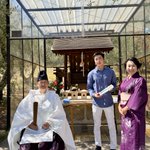


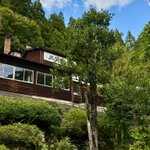
Earlier this month, we took our sake to San Marino Matsuri 2026 in the Republic of San Marino 🇸🇲
The festival was organised by the Japan San Marino Friendship Society with the support of the Embassy of the Republic of San Marino in Japan and the Embassy of Japan in Rome.
At the centre of the festival is San Marino Jinja⛩️ established in 2014 as the first official Shinto shrine in Europe and a symbol of cultural exchange between Japan and San Marino.
As part of this year’s event, we had the honour of making a Japanese sake offering (奉納) at San Marino Jinja.
A big thank you to the Japan San Marino Friendship Society, SAKEX, Kodomo Banpaku, everyone involved in making the festival possible, and especially the breweries who collaborated with us and trusted us with bringing their sake to San Marino.


Tachibana Junmai: How does it taste?
Available on our online store: sakebito.com/tachibana-junma…
🍶It is a clean, dry-driven expression of Miyama-Nishiki, offering a crisp structure and understated aromatics.
The nose shows a restrained aromatic profile, with gentle hints of rice and a subtle lift that reflects the naturally understated fruit tones.
The palate is smooth and balanced, offering a measured expression of rice umami supported by a refreshing, well-defined dryness.
Lean and precise, with a finish that is crisp, lightly mineral, and neatly shaped—neither sweet nor sharp.
🧊Enjoy it lightly chilled or cellar-cool.
#SAKEbito #TachibanaJunmai #Tachibana #Junmai


Learn more about Tachibana Junmai: sakebito.com/tachibana-junma…
Origin: Saku, Nagano
Type: Junmai
Amount: 720ml
Alcohol: 15.0%
Tasting Profile: Dry & Clean
Rice: Miyama Nishiki
Rice Polish Rate: 59%
SMV: +4
Best served: Chilled, Cellar Cool
Enjoy it lightly chilled or cellar-cool, with delicate seafood, lightly seasoned dishes, or moderately rich preparations.
Store in a cool, dark place away from heat and light; once opened, keep refrigerated and enjoy within 1-2 weeks after opening.
Available on our online store. sakebito.com/tachibana-junma…
Note: Sake contains alcohol and must be enjoyed responsibly by those of legal drinking age.
🥃Family behind Kumahei Umeshu: Inoue Umeboshi Foods
Kumahei Umeshu is a premium Japanese plum liquor using only Kishu Nanko Ume — Japan’s most prized plum variety🥇
It is produced by Inoue Umeboshi Foods, founded in 1942 in Minabe Town, Wakayama — the heart of Japan’s premium ume production.🗾🍷
They grow plums in their own estate orchards, where Kishu Nanko ume — Japan’s most highly regarded plum variety — is carefully cultivated.
While preserving traditional hands-on production techniques and regional agricultural practice, Inoue Umeboshi Foods continues to innovate, developing new plum products that adapt to evolving consumer wellness trends as well as exploring international outreach.
Learn more about them: sakebito.com/kumahei-no-ume


This approach is reflected in Kumahei Umeshu, now on sale through our online store.
sakebito.com/kumahei-umeshu
Kumahei Umeshu is crafted exclusively with the hand-picked estate-grown Kishu Nanko ume, Japan’s most highly regarded plum variety.
It delivers an elegant balance of natural sweetness, vibrant acidity, and the deep aroma of Japan’s most esteemed plum.
Only three ingredients — plums, sugar, brewing alcohol — and no additives, are slowly matured for at least 9 months without dilution water, allowing the authentic flavour of the fruit to shine.
The plums are grown in the producer's own estate orchards in a regional agricultural system which has evolved for over 400 years.
It is precisely this environment that enables Kumahei to achieve the authentic product that cannot be replicated elsewhere.
Certified as GI Wakayama Umeshu, the first geographical indication granted to a liquor in Japan, it stands as proof of origin, regional discipline, and uncompromised craftsmanship.
Origin: Minabe, Wakayama
Amount: 720ml
Alcohol content: 16.0%
Plum: Kishu Nanko Ume
Best served: Rock, With Soda, Warm
🔗 Available on our online store.
Note: Sake contains alcohol and must be enjoyed responsibly by those of legal drinking age.
🎴Kitsukura Brewery
Birthplace of Tachibana Junmai and Tachibana Junmai Daiginjo
Kitsukura Brewery has been handcrafting its Sake since 1696, in Saku City, Nagano Prefecture.
From its inception, they have adhered to the principle that “sake is a gift from nature”.
🌾They work exclusively with rice grown in Nagano, maintaining long-standing partnerships with local farmers to achieve consistency in quality from the field through to brewing.
🫧Water is drawn from a well that has been in continuous use since the establishment, and is a soft spring water sourced from the nearby Yatsugatake mountain range.
❄️The cold, snowy winters of Nagano create ideal conditions for winter brewing, allowing slow, careful fermentation that preserves clarity and refinement.
Learn more about Kitsukura Brewery sakebito.com/kitsukura-shuzo
#SAKEbito #KitsukuraBrewery #Nagano #sake


These qualities are expressed in Tachibana Junmai and Tachibana Junmai Daiginjo
Both available on our online store: sakebito.com/our-collection
【Tachibana Junmai】
Made exclusively with locally cultivated Miyama Nishiki rice, polished down to 59%.
It delivers a clean, dry profile with a quiet depth of rice umami rather than aromatic excess.
Enjoy it chilled or cellar-cool, with delicate seafood, lightly seasoned dishes, or moderately rich preparations.
Origin: Saku, Nagano | Type: Junmai | Amount: 720ml | Alcohol: 15.0% | Tasting Profile: Dry & Clean | Miyama Nishiki Rice | Rice Polish Rate: 59% | SMV: +4 | Best served: Chilled, Cellar Cool
【Tachibana Junmai Daiginjo】
Made exclusively with locally cultivated Miyama Nishiki rice, polished down to 49%.
The profile is silky and composed, opening with gentle sweetness and refined rice flavour, followed by a soft, expressive fruit note, and finishing in clarity without heaviness.
Enjoy it lightly chilled or cellar-cool, alongside delicate seafood, white meats, moderately rich creamy dishes, or soft cheese.
Origin: Saku, Nagano | Type: Junmai Daiginjo | Amount: 720ml | Alcohol: 16.0% | Tasting Profile: Silky & Gentle Sweetness | Miyama Nishiki Rice | Rice Polish Rate: 49% | SMV: +2 | Best served: Chilled, Cellar Cool
Store in a cool, dark place away from heat and light; once opened, keep refrigerated and enjoy within 1-2 weeks after opening.
🔗 Available on our online store.
Note: Sake contains alcohol and must be enjoyed responsibly by those of legal drinking age.
🍶🍷Kumahei Umeshu — available on our online store
sakebito.com/kumahei-umeshu
Kumahei Umeshu is crafted exclusively with the hand-picked estate-grown Kishu Nanko plum, Japan’s most highly regarded plum variety🔴🏆
It delivers an elegant balance of natural sweetness, vibrant acidity, and a deep aroma of Japan’s most esteemed plum.
Only three ingredients — plums, sugar, brewing alcohol — and no additives, are slowly matured for at least 9 months without dilution water, allowing the authentic flavour of the fruit to shine.
The plums are grown in the producer's own estate orchards in a regional agricultural system which has evolved for over 400 years.
It is precisely this environment that enables Kumahei to achieve the authentic product that cannot be replicated elsewhere.
Certified as GI Wakayama Umeshu, the first geographical indication granted to a liquor in Japan, it stands as proof of origin, regional discipline, and uncompromised craftsmanship.
#SAKEbito #Umeshu #Kumahei


Origin: Minabe, Wakayama
Amount: 720ml
Alcohol content: 16.0%
Plum: Kishu Nanko Ume
Best served: Rock, With Soda, Warm
Enjoy it on the rocks, with soda or tonic, or as an elegant cocktail base.
🔗 Learn more about Kumahei Umeshu: sakebito.com/kumahei-umeshu
Learn more about the producer: sakebito.com/kumahei-no-ume
Note: Sake contains alcohol and must be enjoyed responsibly by those of legal drinking age.
🍶Tachibana Junmai Daiginjo — available on our online store
sakebito.com/tachibana-junma…
Tachibana Junmai Daiginjo is crafted by Kituskura Brewery, a family-run brewery that has continued its craft for over 330 years since 1696.
It is made exclusively with locally cultivated Miyama Nishiki rice polished down to 49%, and pristine spring water flowing from the Yatsugatake mountain range right behind the brewery.
The profile is silky and composed, opening with gentle sweetness and refined rice flavour, followed by a soft, expressive fruit note.
🌾🫧Only rice, water, yeast, and koji are used, so called Junmai, allowing the character of Miyama Nishiki to express itself with clarity.
🏯Named after the Tachibana clan of the Heian period (794-1185AD), the label reflects the brewery’s lineage and continuity—carrying techniques, water, and local agriculture forward without interruption into the present day with its 18th generation owner.
#SAKEbito #TachibanaJunmaiDaiginjo #Tachibana #JunmaiDaiginjo


Origin: Saku, Nagano
Type: Junmai Daiginjo
Amount: 720ml
Alcohol: 16.0%
Tasting Profile: Silky & Gentle Sweetness
Rice: Miyama Nishiki
Rice Polish Rate: 49%
SMV: +2
Best served: Chilled, Cellar Cool
Enjoy it lightly chilled or cellar-cool, alongside delicate seafood, white meats, moderately rich creamy dishes, or soft cheese.
Store in a cool, dark place away from heat and light; once opened, keep refrigerated and enjoy within 1-2 weeks after opening.
🔗 Available on our online store.
sakebito.com/tachibana-junma…
Note: Sake contains alcohol and must be enjoyed responsibly by those of legal drinking age.
🍶Tachibana Junmai — available on our online store
sakebito.com/tachibana-junma…
Crafted by Kitsukura Brewery, founded in 1696 in Saku, Tachibana Junmai is made exclusively with locally cultivated Miyama Nishiki rice polished down to 59%, and pristine spring water from the Yatsugatake mountain range right behind the brewery.
It delivers a clean, dry profile with a quiet depth of rice umami rather than aromatic excess.
Sweetness remains subtle, allowing clarity and balance to take precedence, making it suitable with a wide range of cuisines.
🌾🫧Only rice, water, yeast, and koji are used - so-called " Junmai ", allowing the character of Miyama Nishiki to express itself with clarity.
🏯Named after the Tachibana clan of the Heian period (794-1185AD), the label reflects the brewery’s lineage and continuity—carrying techniques, water, and local agriculture forward without interruption into the present day with its 18th generation owner.


Origin: Saku, Nagano
Type: Junmai
Amount: 720ml
Alcohol: 15.0%
Tasting Profile: Dry & Clean
Rice: Miyama Nishiki
Rice Polish Rate: 59%
SMV: +4
Best served: Chilled, Cellar Cool
Enjoy it lightly chilled or cellar-cool, with delicate seafood, lightly seasoned dishes, or moderately rich preparations.
Store in a cool, dark place away from heat and light; once opened, keep refrigerated and enjoy within 1-2 weeks after opening.
🔗 Available on our online store.
sakebito.com/tachibana-junma…
Note: Sake contains alcohol and must be enjoyed responsibly by those of legal drinking age.
Sanshoraku Shuzo is our first partner from Toyama Prefecture.
We had an amazing opportunity to visit them last week, and learned how they live with nature, adapt to changes, and leverage their local strength.
Sanshoraku is situated in the steep valleys of Gokayama, a UNESCO World Heritage Site renowned for its gassho-style traditional houses.
Founded officially in 1880, but Sanshoraku had already been brewing long before incorporation.
The name “Sanshoraku 三笑楽” comes from the Chinese allegory Kokei Sansho 虎渓三笑 — reflecting the wish for people to share joy and laughter through sake.
Surrounding the brewery is an ancient beech forest, which plays a vital role in its craft.
The forest acts as a natural filter and protective wall — fallen leaves enrich the soil, and rainwater slowly filters through the earth, emerging as soft, pure groundwater that gives a gentle and refined taste.


Gokayama endures severe winters, with snow piling over two meters high. While the cold provides ideal conditions for sake making, many environmental and Sake-economic changes have transformed the once-stable brewing environment.
What was once ideal for fermentation is now unpredictable — delicate processes like koji making, storage, and maturation are all affected by the daily swings in temperature and humidity, and what was long been performed - brew Sake with Nature - is becoming more and more difficult.
Instead of resisting modernisation, Sanshoraku embraced it as a tool to preserve authenticity.
They introduced temperature-controlled fermentation tanks, systems to prevent oxygen exposure from pasteurisation to bottling, and data-driven koji management that ensures stable microbial activity.
These upgrades aren’t about mass production or efficiency — they’re about protecting the delicate balance of traditional flavour from the instability of modern climate.


Recently, Sanshoraku began a new experiment that could only happen in Gokayama: underground storage in a tunnel leading toward the World Heritage village.
Inside, the air stays cool and constant year-round, with minimal temperature fluctuations — ideal for long-term maturation that deepens flavour and complexity.
A brewery that evolves without losing its roots — preserving the spirit, taste, and quiet strength of Gokayama in every bottle.


Did you know there are different kinds of “Sake Sommelier” certifications?
Some are created by private groups abroad to promote sake and train both fans and professionals.
Others are organised in Japan, with recognition and respect from sake producers themselves.
Here’s the difference 🧵
Last week, we visited our partner brewery, Kitsukura Shuzo (橘倉酒造), in Saku City, Nagano prefecture, which is famous for its cold climate and beautiful snow.
Walking around the 330-year-old site and speaking with Mr. Ide Taira, the 18th generation of the family, gave me more insights into their history.
What stood out most: an honest strategy to confront a hard truth — domestic sake consumption is down (1/4th of its peak), and now doubling down on quality of each batch, storytelling, and global outreach, which is how we got to know each other.
One example is conducting traditional filtering techniques called Sizuku-dori. It uses only gravity to filter Sake, instead of the modern-day method of using mechanical pressure, resulting in an elegant and silky Sake.
It is time-consuming, extremely low-yielding, and labour-intensive.
Despite these challenges, sake made through this method is considered a symbol of craftsmanship and artistry, reflecting the brewer’s highest level of skill.


Kitsukura cultivates part of its rice in-house — a rare, costly decision most breweries avoid. Owning fields is not common in today’s industry.
Why it matters: With falling demand and an ageing farming workforce, rice fields are being retired and reliable supplies of sake rice varieties are harder to secure.
By farming some rice themselves, Kitsukura stabilises sourcing, protects the varietals that define their style, and keeps quality consistent from field to bottle — a real commitment to the craft.
The Sake that perfectly reflects their culture, Tachibana Junmai and Tachibana Junmai Daiginjo, are now available through our shop.
sakebito.myshopify.com/
Grateful to the Ide family for their time and openness. If you’re curious about the brewery or the bottles, learn more here:
sakebito.com/kitsukura-shuzo
Instagram: instagram.com/sakebito_japan…