International Affairs & Geopolitics Analyst · Lawyer | Great power competition, energy security & emerging markets |

Joined January 2022
The global order isn't shifting. It's breaking. Empires in decline. New powers rising. Old alliances are dissolving. Nation-states are rewriting their own rules. And the countries nobody's watching? They're the ones who'll decide how this ends. That's what I cover here.
346
#OpinionesCompletas | Francia en México, presencia más allá de la inversión La lectura de fondo es que Francia ve en México un socio clave para su propio desarrollo futuro, y que hoy refuerza esa apuesta Escribe ✍️ @w_pineiro heraldodemexico.com.mx/opini…
1
2
582
#VocesPJ 🗣️ | “La carta de negociación que no fue” 🇲🇽🇺🇸 En el espacio de colaboración del Programa de Jóvenes del @COMEXI para @El_Universal_Mx, nuestro asociado @w_pineiro analiza cómo México ha utilizado históricamente la migración como una herramienta de negociación con Estados Unidos y cómo la presión ejercida desde el regreso de Donald Trump a la Casa Blanca modificó ese margen de maniobra frente a la revisión del T-MEC.
1
1
2
192
#Expertos | El Cabo que mide Esperanza Por: @w_pineiro Con #Ormuz ya semiparalizado desde febrero por el conflicto entre Estados Unidos, #Israel e #Irán, hace apenas unos días se completó el segundo cercado estratégico. Entre el 9 y el 12 de septiembre de 2026, los hutíes tomaron el control efectivo del estrecho de Bab el-Mandeb, apoderándose del puerto de Moca y de las islas que dividen el paso, hasta quedar posicionados a un puñado de kilómetros de la costa africana. Por primera vez, los dos corredores que definen el comercio marítimo entre #Asia, el Golfo y Europa están, simultáneamente, en manos hostiles o en disputa activa. Mientras el tráfico marítimo por el Canal de Suez se ha reducido por el miedo a cruzar Bab el-Mandeb, el tráfico por el Cabo de Buena Esperanza no ha dejado de incrementarse. No es un desvío de emergencia que se revierte cuando bajan las tensiones, es una ruta que ya lleva más de dos años en aumento y parece que se puede convertir en la nueva normalidad, sobre todo ahora que el #MarRojo se puede convertir en zona de conflicto abierto. Es casi como si el tráfico marino de alguna forma hubiera anticipado, un conflicto que al final terminó ocurriendo... Lee la columna completa aquí: petroleoenergia.com/expertos…
2
271
#LEE "Francia y México: 2 siglos de historia, un futuro por construir" de Walter Piñeiro (@w_pineiro), en el espacio de colaboraciones del Programa de Jóvenes del Comexi (@PJCOMEXI) en #WebFAL bit.ly/4dUWQKa
4
5
266
#LEE "Francia y México: 2 siglos de historia, un futuro por construir" de Walter Piñeiro (@w_pineiro), en el espacio de colaboraciones del Programa de Jóvenes del Comexi (@PJCOMEXI) en #WebFAL bit.ly/4dUWQKa
4
8
289
That’s the main problem, peace became harder when Zelenskyy started doing everything just for the media.
How do you think: Could Zelenskyy write a letter to Putin quietly without making large-scale PR?
68
🇺🇸The U.S. Strategic Petroleum Reserve is at its lowest level in years. Millions barrels released to contain prices at home. Iran noticed. Washington doesn't need Iranian oil. It can sustain itself. But sustaining domestic prices is a different problem entirely. And Iran knows the difference. 🇱🇧Lebanon wasn't part of the latest negotiations. It was conveniently left out. But the moment Iran read the SPR numbers, Lebanon became a card worth playing. 🇮🇷"Suspending" talks now isn't a weakness. It's timing.
1
2
829
🇮🇷🇺🇸Nobody's reading the Iran-US negotiations correctly. 🇱🇧Stop watching the negotiating table. Watch Lebanon. When Iran makes a concession it can't admit domestically, it goes quiet. No announcements, no theatrics. But when it's drawing a red line, when it's signaling it won't move, it activates Lebanon. Hezbollah escalates. Threats multiply. The message isn't sent through diplomats. It's sent through the front. 🇮🇱🇱🇧Trump says he brokered a ceasefire with Israel and Hezbollah. Iran immediately warned it would walk away from talks unless Lebanon was part of any deal. That's not a diplomatic demand. That's Iran telling you exactly how much pressure it's under, and where its limit is. 🖊️The Lebanon front isn't a side conflict. It's Iran's negotiating language. And right now, it's saying the deal is being compromised by Israel and Hezbollah.
2
1
1
3,592
Walter Piñeiro retweeted
"Act, and God will act." St.Joan of Arc
12
125
6
1,181
12,416
Walter Piñeiro retweeted
The Cuba-Taiwan parallel that reveals where the world is headed 👇🏼
40
46
1
397
16,120
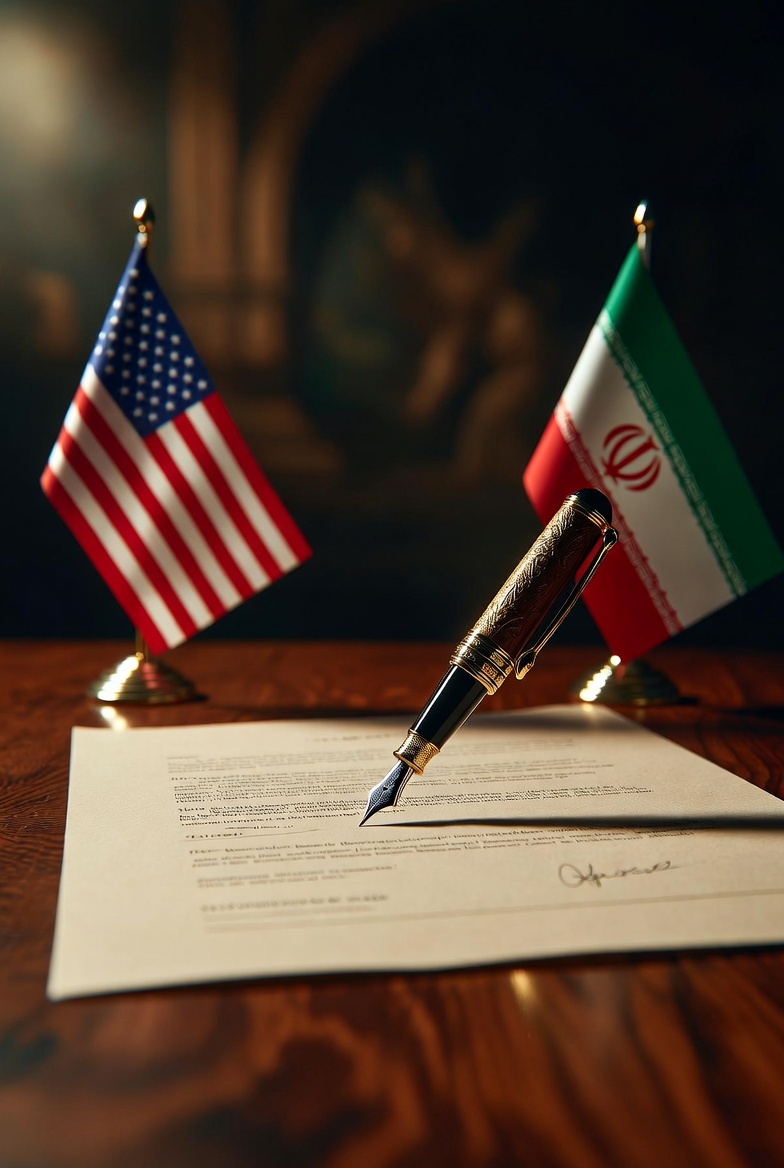
🖊️The Art of Wording: How the Same Deal Can Be Sold as Victory for Both US and Iran 🇺🇸🤝🇮🇷In high-stakes negotiations between the US and Iran, the final wording of the imminent agreement will matter more than the actual concessions. The exact same text can be packaged and sold as a decisive win for both sides. The US will present it as a historic triumph of “maximum pressure”: Iran accepted verifiable limits on its nuclear program, shipped out or diluted enriched uranium, and reopened the Strait of Hormuz, all without full immediate sanctions relief. For his base, the headline will be: “Iran surrendered.” Iran, meanwhile, will frame it domestically as a victory of resistance and strategic patience: it kept a civilian nuclear program (probably keeps the uranium but diluted), secured partial sanctions relief, avoided complete dismantlement, and preserved national dignity by not accepting every American demand. For its internal audience, the narrative will be: “The Islamic Republic stood firm and forced the West to negotiate.” In great-power and authoritarian-regime diplomacy, wording isn’t cosmetic, it’s the core of the deal. Both leaders desperately need to sell “victory” to their own publics. The one who better spins the same document in their favor will win the political battle, even if the strategic outcome is far more nuanced and gray.The real test won’t be who “won” the announcement, but whether the agreement actually holds beyond two years.
1
2
3
14,682
Walter Piñeiro retweeted
Finally, 90M ordinary Iranian people- some of the most educated, highly skilled & digitally plugged in demographics in the entire MidEast - can access the internet after ~90 days of an internet blackout that saw thousands of jobs lost, loved ones disconnected, livelihoods uprooted & millions gone dark under the longest internet cut off in history. #Iran #ايران #Iranwar
مخابرات: دسترسی به اینترنت بین‌الملل برای تمامی مشترکین سرویس‌های خانگی و تجاری برقرار شده و در حال حاضر محدودیتی برای اتصال به شبکه جهانی وجود ندارد isna.ir/xdWsYh
2
5
16
3,678
Walter Piñeiro retweeted
🇪🇺-🇲🇽 A new chapter in EU-Mexico relations. At the 8th #EUMexico summit, leaders welcomed the signature of the modernised global agreement and the interim trade agreement, giving fresh momentum to a strategic partnership. See main results➡️ link.europa.eu/hnhvkb
43
173
16
649
20,773
Walter Piñeiro retweeted
We’re opening an EU-Mexico Summit of historic importance. There is so much Europe and Mexico can offer one another. But even more importantly, there is so much we can achieve together. A stronger partnership starts today. 🇪🇺🇲🇽
1,127
2,701
202
10,634
476,017
Walter Piñeiro retweeted
From Napoleon to Putin to Zuckerberg: why we should pay attention when powerful leaders get obsessed with the ancients 👇🏼
50
61
3
426
31,306
🇺🇸🇮🇱Trump-Netanyahu Call: Restarting the War Would Be a Strategic Mistake 🇮🇷🔥Reports that Trump and Netanyahu discussed the possibility of resuming military operations against Iran come at a delicate moment. While both leaders have legitimate reasons to distrust Tehran’s intentions, reigniting open conflict now carries high costs and diminishing returns. A new round of strikes would immediately threaten Gulf shipping, spike oil prices, and put immense pressure on GCC states. Saudi Arabia, the UAE, and others have already shown they prefer de-escalation and quiet diplomacy over another direct confrontation that could drag them into the crossfire. Their economies and stability would suffer the most from renewed disruption in the Strait of Hormuz. 🕊️⚖️The smarter path remains forcing a credible, verifiable agreement, one that meaningfully constrains Iran’s nuclear program and regional proxies while offering limited sanctions relief. Tehran is clearly reluctant and playing for time, but sustained pressure combined with realistic diplomacy still offers a better outcome than open-ended war. Restarting hostilities may seem useful and reasonable in the short term, but it risks handing Iran new opportunities for regional chaos while exhausting American and Israeli resources. The hard work of coercive diplomacy remains the least bad option.
1
1
3,029