

健康維持のため健康な食事は一番大事です!健康的な食の情報、おすすめの無添加食品など食と健康に役に立つツイートをします。無添加健康生活に興味のある方はフォローをお願いします♪Amazonのアソシエイトに参加中です。「ハイライト」と楽天ルームに完全無添加食品を集めています!そちらも是非↓
- Tweets19.5K
- Following13K
- Followers59.7K
- Likes10.5K



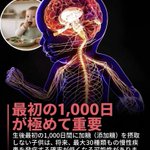




ALT 🧬 The First 1,000 Days May Shape Your Health for Life What if the food a baby receives before their second birthday could influence their health 50 years later? A fascinating 2024 study uncovered a surprising connection. Researchers studied Britain's postwar sugar rationing, when families had limited access to sugar. They discovered that people exposed to lower sugar levels during pregnancy and early childhood had a **35% lower risk of developing type 2 diabetes and a 20% lower risk of high blood pressure** later in life. Even more interesting, these individuals developed these conditions later than those who had greater early-life sugar exposure. Scientists believe the first 1,000 days, from conception to a child's second birthday, may be a particularly important window for long-term health. However, the findings show an association, not proof that reducing sugar directly prevents these diseases.


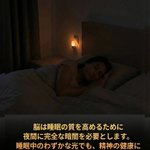
ALT 🚨 Science confirms that eliminating light from your bedroom is essential for long-term health. Modern lifestyles often keep us surrounded by screens and artificial glow, but experts warn that even the smallest amount of light can sabotage your rest. When your eyes are exposed to light during the evening, it signals to your brain that it is still daytime, effectively stalling the body's transition into sleep mode. This disruption interferes with the natural rhythm of your internal clock, making it harder to drift off and reducing the overall quality of your recovery overnight. The secret to a deeper slumber lies in the dark, which triggers the brain's pineal gland to release melatonin. Often called the "sleep hormone," melatonin is crucial for regulating your circadian rhythm and signaling to every cell in your body that it is time to recharge.


