

Tim Matula is a serial entrepreneur, C-suite executive, and author of The Delta Effect (2026) — co-founder of sovereign AI-cloud company NexusIgnite
Seattle
Joined July 2011
- Tweets260
- Following789
- Followers141
- Likes13






5/
Shoppers learned waiting no longer pays, so they stopped waiting.
And a discount that lasts seven weeks can’t be as deep as one that lasted a day.
The season got longer by getting shallower.
6/
Who benefits: the platform that moved the line. Shippers who’d rather staff 7 weeks than 2 days. Ad platforms with two extra months to sell.
Even the retailers who hated it — fewer stockouts, smoother cash flow.
7/
The only one who got nothing: the person who remembers when a sale meant the price actually dropped.
Full article (free): timmatula.substack.com/
4/
Why it keeps happening: every retailer’s best move is to start slightly before everyone else.
So the start drifts earlier. Every year.
2/
“Greedy retailers” is the easy answer.
Here’s what actually happened: a store needs months to plan a doorbuster. An online retailer needs a landing page and an email.
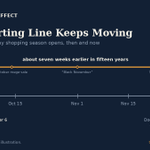
The holiday shopping season started October 6.
Twenty years ago it started the morning after Thanksgiving.
The starting line moved seven weeks. Nobody decided that. Everybody did. 🧵


The fixes being discussed, from making large new users pay their own way to faster permitting and flexible demand, all do one thing: speed up the slow clock or slow down the fast one.
The question isn't "who's to blame?" It's "how long until the clocks match?"
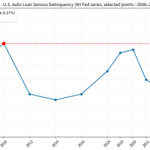
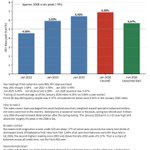
A lot of people are missing the signs that are out here. High rates, sub prime problems, housing problems. This is just another data point. Read into it what you will.


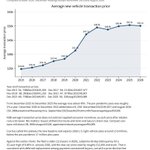
Average age of light cars on the road are getting older, pent up demand is building, when things turn around, these buyers will buy new cars on a massive scale. But what is holding them back? Well, maybe because the prices of a new car has gone up so fast and so much.

