
🇪🇺🌈🇪🇺 🕊 💙💛 🕊 dm open for more....
european 🦊 ... travelling
Joined June 2009
- Tweets6.9K
- Following5.5K
- Followers463
- Likes19.5K





tom fox 🇺🇦🌈 retweeted

Mein Held des Tages:
Michael Mittermeier 😊✊
Danke für die Worte, genau so!
Da bin ich froh, dass Laschet nicht Kanzler ist. Man kann ihn nicht mehr hören. Es ist immer die gleiche Platte. Unerträglich, der Typ! Von der Linken bald nicht mehr zu unterscheiden🤬
tom fox 🇺🇦🌈 retweeted

Every time I watch this short movie, I find myself writing something about it. Some stories touch your heart so deeply that words come naturally, no matter how many times you watch them.
Everyone should watch this movie at least once. ❤️
tom fox 🇺🇦🌈 retweeted

Was die kluge @annettedittert sagt:
Den deutschen Konservativen täte es ziemlich gut, dem Beispiel der britischen Konservativen zu folgen und sich ganz klar von #rechts abzugrenzen. ……@cdu @conservatives #konservativstattrechts
tom fox 🇺🇦🌈 retweeted

Remembering one of the greatest actors of her time, 5-time Tony Award winner and Oscar recipient, Dame Angela Lansbury, who was born on this day 101 years ago.
While Dame Angela is no longer with us, her legacy still lives on and will do so for generations to come.


tom fox 🇺🇦🌈 retweeted

Remembering Dame Angela Lansbury who passed away on this day 4 years ago. Bea and Angela were close friends. #beaarthur #angelalansbury #rip

tom fox 🇺🇦🌈 retweeted
"I would like to be remembered as somebody who transported people into a different venue, gave you relief, gave you entertainment. Gave you joy, laughter, and tears. All those things."
Remembering Dame Angela Lansbury passed away on this day 4 years ago.

tom fox 🇺🇦🌈 retweeted

Und Gundula Gause gib mal kurz die Antwort drauf 😂🫶
#Gause #Daubner #Jugendwort
instagram.com/reel/DeSE6VflX…

tom fox 🇺🇦🌈 retweeted

This guy can make you fall in love with music all over again. Such positive energy!
tom fox 🇺🇦🌈 retweeted

In 1984, a twenty-five-year-old woman stood in a hospital hallway in Arkansas and watched a group of nurses draw straws to decide who would have to enter a patient's room. A red biohazard bag hung from the door handle. Inside was a young man suffering from AIDS. He had been reduced to eighty pounds and was dying in terrible pain, whispering the same word over and over again: “Mama.”
Ruth Coker Burks didn't wait to find out who had drawn the short straw. She turned the handle and walked inside.
She asked the nurses to contact the young man's family, but they told her they had already been calling for six weeks without getting an answer. Ruth took the phone number and decided to try one more time herself. When the man's mother answered, her response was cold and final. She said her son was sinful and that, as far as she was concerned, he was already dead to her. She refused to come.
Ruth hung up the phone and walked back into the room. She sat beside the young man's bed and stayed there. For thirteen hours, she held the hand of a dying stranger, quietly whispering comforting words until he took his final breath.
When his family refused to claim his body, Ruth decided she would bury him herself. She paid for the cremation out of her own pocket, found a chipped cookie jar from a local potter to hold his ashes, and took him to her family's cemetery in Hot Springs, Arkansas. Using posthole diggers meant for building farm fences, she dug the grave with her own hands. When the grave was finished, she said a quiet prayer over the soil.
Word of Ruth's kindness slowly began spreading across the South. People heard about a woman in Arkansas who wasn't afraid. A woman who would sit beside you when you were dying and make sure you were treated with dignity when no one else would claim you.
Over the next decade, Ruth Coker Burks personally cared for more than 1,000 people dying of AIDS. Most were young men who had been abandoned by their families and communities during the height of the crisis. She buried forty of them with her own hands in her family's cemetery. Her young daughter often went with her, carrying a small toy spade while Ruth worked with the heavy posthole diggers.
Many of the people Ruth cared for had lost their jobs, their homes, and almost everything they once had. She scrambled to help them buy medication and food and to keep up with their rent. She needed money to continue, and the local drag queens stepped in to help. Every Saturday night, they hosted shows and pooled their tips so Ruth could keep supporting the people who depended on her.
By the late 1990s, medical treatments had advanced and the immediate crisis had begun to change. Ruth's urgent work slowly became less visible, and over time, her story faded into quiet history. But the forty small graves in Hot Springs remained. They became sacred ground, cared for by a woman who had refused to let people die believing they were unwanted or disposable.
When fear and panic sweep through a society, it can be painfully easy for communities to turn their backs on the people who need help the most. Ruth Coker Burks chose to do the opposite. She walked toward the fear, sat beside those everyone else had abandoned, and made sure that even in death, they were treated like human beings.


tom fox 🇺🇦🌈 retweeted

In 1965, a British singer heard a melody in a language she didn’t understand—and burst into tears. She bought the rights instantly. Months later, the recording became a success beyond her wildest dreams. ✨
tom fox 🇺🇦🌈 retweeted

Boris Pistorius: „Der Tag, den wir heute erlebt haben, ist ein einzigartiger Tabubruch der parlamentarischen Demokratie, den wir in dieser Form in 90 Jahren nicht erlebt haben. Demokraten haben Faschisten als Steigbügelhalter gedient, liebe Freunde.“

tom fox 🇺🇦🌈 retweeted

Weder überraschend noch unerwartet verstarb heute im Alter von ca. 80 Jahren
DIE BRANDMAUER
1946 bis 2026
Schon seit Jahren gesundheitlich nicht auf der Höhe und in letzter Zeit immer häufiger durchlöchert, verendete sie heute in Sachsen-Anhalt endgültig.
Todesursache: CDU

tom fox 🇺🇦🌈 retweeted

En 1992, tras la ruptura de uno de los dúos más grandes de la historia, una mujer se plantó sola frente a las cámaras de la televisión británica. Lo que cantó esa noche no fue solo su debut en solitario, sino una de las confesiones vocales más desgarradoras y honestas que se han grabado...
tom fox 🇺🇦🌈 retweeted

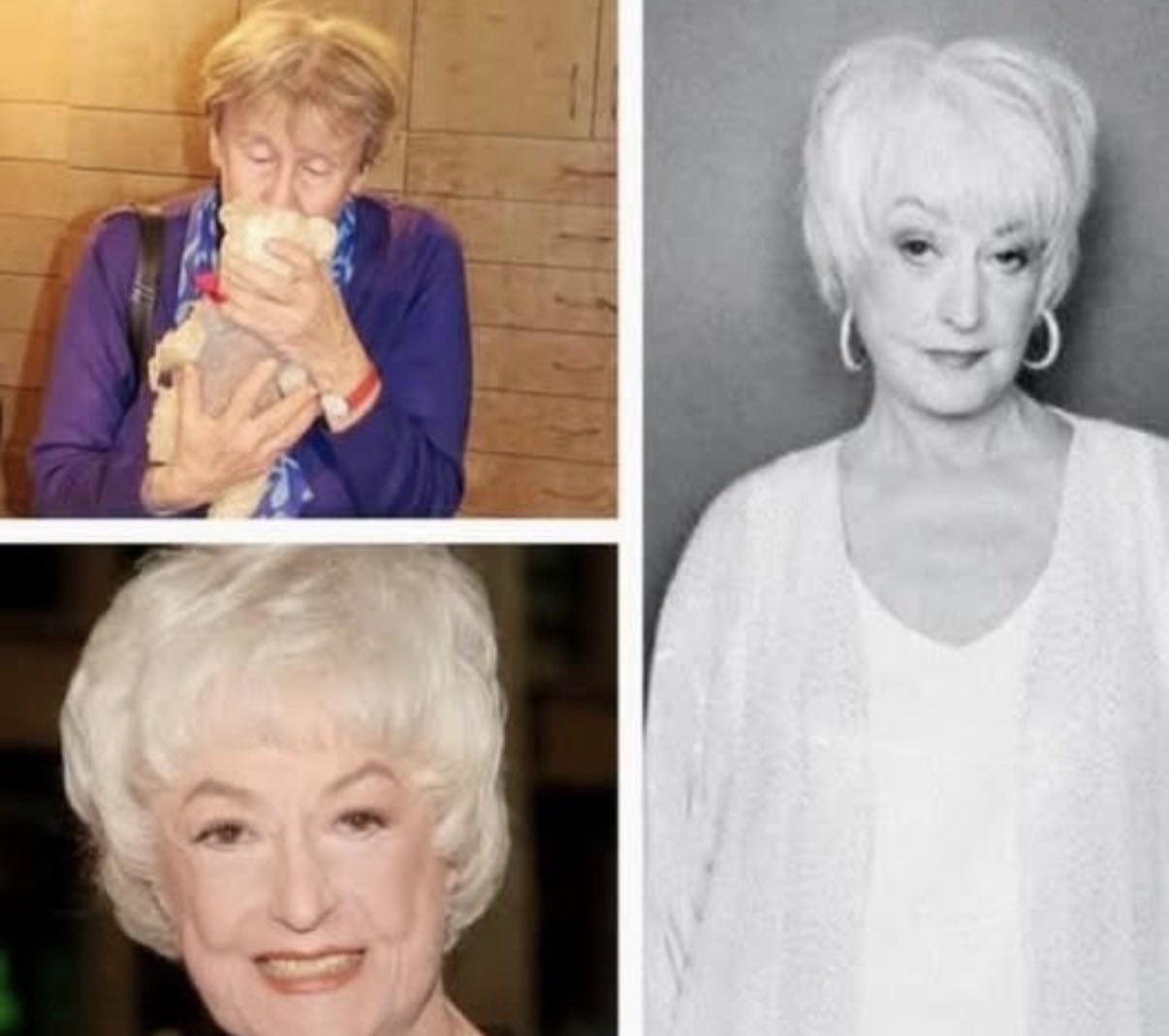
Long after The Golden Girls had made her a household name, Bea Arthur continued to live a fiercely private life off-screen. What few people knew—even among her closest colleagues—was that she had quietly been one of the main financial backers of a New York shelter for homeless LGBTQ+ youth. In the early 2000s, when she learned from a friend about the rising number of queer teens being kicked out of their homes, Bea was appalled. “Nobody deserves to be thrown away,” she said in one of her rare public statements on the matter.
She didn’t just write checks. Bea would often visit the shelter unannounced, bringing bags of groceries or handmade scarves in winter. She insisted on no photos, no press. Staff recalled that she would sit and listen to the kids for hours, giving them advice, jokes, or just quiet comfort. One counselor remembered a Christmas Eve when Bea stayed well past midnight, helping wrap donated gifts. “She was the grandma they never had,” one former resident said
After her death in 2009, it was revealed that Bea had left $300,000 in her will to support the shelter, which was renamed in her honor: The Bea Arthur Residence for Homeless LGBTQ+ Youth. In a world that often lauded her for delivering zingers on screen, her most enduring punchline may have been a silent one—providing shelter and dignity to those who needed it most.