

CTS is a non-partisan policy research initiative solving unexplored AI policy challenges through technical, forward-looking research.
Washington, DC
Joined April 2026
- Tweets14
- Following7
- Followers655
- Likes8
Pinned Tweet
Announcing the Center for Technology and Statecraft:

Today I’m launching the Center for Technology & Statecraft (CTS), an initiative inspired by the lessons I learned first as a policy researcher and later in the White House.
I'm an optimist about technology. Institutions adapt to disruptions — whether the industrial revolution, computing, the internet — through competition, self-correction, and iteration, and we mostly figure it out in the long run.
But we've never had to adapt to a technology that is both this transformative and developing this fast. AI capabilities continue to scale rapidly with no sign of slowing, and it's a full-time job just to keep up with model releases. I worry policy will stay reactive right up until we face immense disruptions — including basic challenges to human agency and relevance in a world of powerful AI.
Even still, I believe policy can steer this transition, but only with foresight and the right information.
CTS aims to provide just that. Our two initial policy focus areas:
1) How policy can shape virtual and physical automation over the next decade as we reimagine the social contract in light of advanced AI.
2) How to manage long-term strategic US-China AI competition while ensuring stability.
These focus areas will build on a deep model of the AI value chain, from chipmaking tools, to the compute, algorithms, and data that make AI, to the tokens, agents and robots that affect the world.
For more on our worldview and research philosophy, read techstatecraft.org/launch.
I’ve seen firsthand how technical, forward-looking research can inform policy if it’s ready for the policy window. After a decade as an IP and tech lawyer, I joined a think tank, CSET, in 2019 to study AI chips, their supply chains, and AI policy. This was three years before ChatGPT, so these weren't seen as urgent topics at the time.
Soon after, AI quickly became an increasingly salient policy issue. From 2021–2025 I served in the White House NSC and the Commerce Department and put new policy ideas into practice (alongside many brilliant colleagues).
One goal of CTS is to scale this kind of experience to a whole team: @KonstantinPilz @nchlsbrwn @amelia__michael @mary_clare_m already bring a wealth of technical and policy expertise and we’ll continue to grow to tackle an ambitious research agenda.
We're thrilled to be supported by and affiliated with @IFP, and grateful to the advisors and colleagues who helped get CTS off the ground, including @ohlennart, @fiiiiiist, @AlecStapp, and @calebwatney.
Our first major reports will launch soon. You can follow us at @techstatecraft.

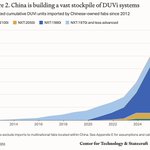
China has rapidly increased its stockpile of DUVi machines, potentially allowing it to massively ramp up their AI chip production over the coming years.
@KhanSaifM and @nchlsbrwn spoke with @Gregory_C_Allen about the problem and what to do about it.
decisiontreeresearch.com/pod…

For a detailed analysis of the consequences of continued DUVi exports to China, see our detailed report:
xitter.cf/nchlsbrwn/status/21046…

While AI chip exports get more attention, whether China can continue to import ASML’s DUV immersion (DUVi) lithography machines will be the decisive factor in US-China AI competition over the next decade.
@techstatecraft has published a 30,000-word report that models how continued DUVi exports may let Huawei and other Chinese chipmakers scale AI chip production to compete with leading US AI chipmakers like NVIDIA.
Our core findings:
(1) 𝗖𝗵𝗶𝗻𝗮 𝗻𝗲𝗲𝗱𝘀 𝗗𝗨𝗩𝗶 𝗺𝗮𝗰𝗵𝗶𝗻𝗲𝘀 𝘁𝗼 𝗺𝗮𝗸𝗲 𝗔𝗜 𝗰𝗵𝗶𝗽𝘀, 𝗯𝘂𝘁 𝗶𝘀 𝘂𝗻𝗹𝗶𝗸𝗲𝗹𝘆 𝘁𝗼 𝗰𝗼𝗺𝗺𝗲𝗿𝗰𝗶𝗮𝗹𝗶𝘇𝗲 𝗶𝘁𝘀 𝗼𝘄𝗻 𝗮𝘁 𝘀𝗰𝗮𝗹𝗲 𝘂𝗻𝘁𝗶𝗹 𝘁𝗵𝗲 𝗺𝗶𝗱-2030𝘀. This gives the United States and its allies, the sole producers, extraordinary leverage over China’s AI ambitions.
(2) 𝗬𝗲𝘁 𝘁𝗼𝗱𝗮𝘆 𝗔𝗺𝗲𝗿𝗶𝗰𝗮 𝗮𝗻𝗱 𝗶𝘁𝘀 𝗮𝗹𝗹𝗶𝗲𝘀 𝗮𝗿𝗲 𝗴𝗶𝘃𝗶𝗻𝗴 𝗮𝘄𝗮𝘆 𝘁𝗵𝗮𝘁 𝗹𝗲𝘃𝗲𝗿𝗮𝗴𝗲 𝗯𝘆 𝗽𝗲𝗿𝗺𝗶𝘁𝘁𝗶𝗻𝗴 𝗖𝗵𝗶𝗻𝗮 𝘁𝗼 𝗶𝗺𝗽𝗼𝗿𝘁 𝗗𝗨𝗩𝗶 𝘀𝘆𝘀𝘁𝗲𝗺𝘀 𝗰𝗮𝗽𝗮𝗯𝗹𝗲 𝗼𝗳 𝗺𝗮𝗸𝗶𝗻𝗴 𝗛𝘂𝗮𝘄𝗲𝗶'𝘀 𝗔𝗜 𝗰𝗵𝗶𝗽𝘀. China has aggressively capitalized on this opening, amassing a large, growing stockpile of these systems as of 2026. If Chinese DUVi imports continue, China could accumulate enough lithography capacity over the next five to ten years to narrow or even erase the currently sizable US-allied advantage in AI chipmaking.
(3) 𝗧𝗵𝗲 𝗨𝗻𝗶𝘁𝗲𝗱 𝗦𝘁𝗮𝘁𝗲𝘀 𝗰𝗮𝗻 𝗽𝗿𝗲𝘃𝗲𝗻𝘁 𝘁𝗵𝗶𝘀 𝗼𝘂𝘁𝗰𝗼𝗺𝗲 𝘄𝗶𝘁𝗵 𝗮 𝘀𝗶𝗺𝗽𝗹𝗲 𝗽𝗼𝗹𝗶𝗰𝘆 𝗰𝗵𝗮𝗻𝗴𝗲: 𝗿𝗲𝗽𝗹𝗮𝗰𝗲 𝘁𝗵𝗲 𝗰𝘂𝗿𝗿𝗲𝗻𝘁, 𝗽𝗮𝗿𝘁𝗶𝗮𝗹 𝗗𝗨𝗩𝗶 𝗰𝗼𝗻𝘁𝗿𝗼𝗹𝘀 𝘄𝗶𝘁𝗵 𝗮 𝗖𝗵𝗶𝗻𝗮-𝘄𝗶𝗱𝗲 𝗯𝗮𝗻 𝗼𝗻 𝗮𝗹𝗹 𝗗𝗨𝗩𝗶 𝗲𝘅𝗽𝗼𝗿𝘁𝘀, 𝘄𝗶𝘁𝗵 𝗰𝗼𝗺𝗽𝗹𝗲𝗺𝗲𝗻𝘁𝗮𝗿𝘆 𝗰𝗼𝗻𝘁𝗿𝗼𝗹𝘀 𝗼𝗻 𝘀𝗽𝗮𝗿𝗲 𝗽𝗮𝗿𝘁𝘀 𝗮𝗻𝗱 𝘀𝗲𝗿𝘃𝗶𝗰𝗶𝗻𝗴. This action would secure the US advanced AI chip production advantage (see Figure)—and resulting AI capability advantage—for at least a decade and ensure that the next wave of advanced fabs is built in the United States and its allied countries, not China.
The MATCH Act, now before Congress, would establish China-wide controls on DUVi exports. Passing MATCH is arguably the single strongest step the US government can take to ensure a long-term AI advantage over China.
We also develop analysis on:
- China's lithography indigenization trajectory
- The regulatory structure of US, Dutch, and Japanese export controls on SME
- China's DUVi imports and installed base
- Yields and throughputs obtainable with China’s installed DUVi systems
- US and Chinese AI chip production under a range of scenarios
See the full report at techstatecraft.org/duv/.

Center for Technology & Statecraft retweeted

Excited to share that I've joined the newly founded Center for Technology and Statecraft as a Research Fellow!

Today I’m launching the Center for Technology & Statecraft (CTS), an initiative inspired by the lessons I learned first as a policy researcher and later in the White House.
I'm an optimist about technology. Institutions adapt to disruptions — whether the industrial revolution, computing, the internet — through competition, self-correction, and iteration, and we mostly figure it out in the long run.
But we've never had to adapt to a technology that is both this transformative and developing this fast. AI capabilities continue to scale rapidly with no sign of slowing, and it's a full-time job just to keep up with model releases. I worry policy will stay reactive right up until we face immense disruptions — including basic challenges to human agency and relevance in a world of powerful AI.
Even still, I believe policy can steer this transition, but only with foresight and the right information.
CTS aims to provide just that. Our two initial policy focus areas:
1) How policy can shape virtual and physical automation over the next decade as we reimagine the social contract in light of advanced AI.
2) How to manage long-term strategic US-China AI competition while ensuring stability.
These focus areas will build on a deep model of the AI value chain, from chipmaking tools, to the compute, algorithms, and data that make AI, to the tokens, agents and robots that affect the world.
For more on our worldview and research philosophy, read techstatecraft.org/launch.
I’ve seen firsthand how technical, forward-looking research can inform policy if it’s ready for the policy window. After a decade as an IP and tech lawyer, I joined a think tank, CSET, in 2019 to study AI chips, their supply chains, and AI policy. This was three years before ChatGPT, so these weren't seen as urgent topics at the time.
Soon after, AI quickly became an increasingly salient policy issue. From 2021–2025 I served in the White House NSC and the Commerce Department and put new policy ideas into practice (alongside many brilliant colleagues).
One goal of CTS is to scale this kind of experience to a whole team: @KonstantinPilz @nchlsbrwn @amelia__michael @mary_clare_m already bring a wealth of technical and policy expertise and we’ll continue to grow to tackle an ambitious research agenda.
We're thrilled to be supported by and affiliated with @IFP, and grateful to the advisors and colleagues who helped get CTS off the ground, including @ohlennart, @fiiiiiist, @AlecStapp, and @calebwatney.
Our first major reports will launch soon. You can follow us at @techstatecraft.
Center for Technology & Statecraft retweeted

While AI chip exports get more attention, whether China can continue to import ASML’s DUV immersion (DUVi) lithography machines will be the decisive factor in US-China AI competition over the next decade.
@techstatecraft has published a 30,000-word report that models how continued DUVi exports may let Huawei and other Chinese chipmakers scale AI chip production to compete with leading US AI chipmakers like NVIDIA.
Our core findings:
(1) 𝗖𝗵𝗶𝗻𝗮 𝗻𝗲𝗲𝗱𝘀 𝗗𝗨𝗩𝗶 𝗺𝗮𝗰𝗵𝗶𝗻𝗲𝘀 𝘁𝗼 𝗺𝗮𝗸𝗲 𝗔𝗜 𝗰𝗵𝗶𝗽𝘀, 𝗯𝘂𝘁 𝗶𝘀 𝘂𝗻𝗹𝗶𝗸𝗲𝗹𝘆 𝘁𝗼 𝗰𝗼𝗺𝗺𝗲𝗿𝗰𝗶𝗮𝗹𝗶𝘇𝗲 𝗶𝘁𝘀 𝗼𝘄𝗻 𝗮𝘁 𝘀𝗰𝗮𝗹𝗲 𝘂𝗻𝘁𝗶𝗹 𝘁𝗵𝗲 𝗺𝗶𝗱-2030𝘀. This gives the United States and its allies, the sole producers, extraordinary leverage over China’s AI ambitions.
(2) 𝗬𝗲𝘁 𝘁𝗼𝗱𝗮𝘆 𝗔𝗺𝗲𝗿𝗶𝗰𝗮 𝗮𝗻𝗱 𝗶𝘁𝘀 𝗮𝗹𝗹𝗶𝗲𝘀 𝗮𝗿𝗲 𝗴𝗶𝘃𝗶𝗻𝗴 𝗮𝘄𝗮𝘆 𝘁𝗵𝗮𝘁 𝗹𝗲𝘃𝗲𝗿𝗮𝗴𝗲 𝗯𝘆 𝗽𝗲𝗿𝗺𝗶𝘁𝘁𝗶𝗻𝗴 𝗖𝗵𝗶𝗻𝗮 𝘁𝗼 𝗶𝗺𝗽𝗼𝗿𝘁 𝗗𝗨𝗩𝗶 𝘀𝘆𝘀𝘁𝗲𝗺𝘀 𝗰𝗮𝗽𝗮𝗯𝗹𝗲 𝗼𝗳 𝗺𝗮𝗸𝗶𝗻𝗴 𝗛𝘂𝗮𝘄𝗲𝗶'𝘀 𝗔𝗜 𝗰𝗵𝗶𝗽𝘀. China has aggressively capitalized on this opening, amassing a large, growing stockpile of these systems as of 2026. If Chinese DUVi imports continue, China could accumulate enough lithography capacity over the next five to ten years to narrow or even erase the currently sizable US-allied advantage in AI chipmaking.
(3) 𝗧𝗵𝗲 𝗨𝗻𝗶𝘁𝗲𝗱 𝗦𝘁𝗮𝘁𝗲𝘀 𝗰𝗮𝗻 𝗽𝗿𝗲𝘃𝗲𝗻𝘁 𝘁𝗵𝗶𝘀 𝗼𝘂𝘁𝗰𝗼𝗺𝗲 𝘄𝗶𝘁𝗵 𝗮 𝘀𝗶𝗺𝗽𝗹𝗲 𝗽𝗼𝗹𝗶𝗰𝘆 𝗰𝗵𝗮𝗻𝗴𝗲: 𝗿𝗲𝗽𝗹𝗮𝗰𝗲 𝘁𝗵𝗲 𝗰𝘂𝗿𝗿𝗲𝗻𝘁, 𝗽𝗮𝗿𝘁𝗶𝗮𝗹 𝗗𝗨𝗩𝗶 𝗰𝗼𝗻𝘁𝗿𝗼𝗹𝘀 𝘄𝗶𝘁𝗵 𝗮 𝗖𝗵𝗶𝗻𝗮-𝘄𝗶𝗱𝗲 𝗯𝗮𝗻 𝗼𝗻 𝗮𝗹𝗹 𝗗𝗨𝗩𝗶 𝗲𝘅𝗽𝗼𝗿𝘁𝘀, 𝘄𝗶𝘁𝗵 𝗰𝗼𝗺𝗽𝗹𝗲𝗺𝗲𝗻𝘁𝗮𝗿𝘆 𝗰𝗼𝗻𝘁𝗿𝗼𝗹𝘀 𝗼𝗻 𝘀𝗽𝗮𝗿𝗲 𝗽𝗮𝗿𝘁𝘀 𝗮𝗻𝗱 𝘀𝗲𝗿𝘃𝗶𝗰𝗶𝗻𝗴. This action would secure the US advanced AI chip production advantage (see Figure)—and resulting AI capability advantage—for at least a decade and ensure that the next wave of advanced fabs is built in the United States and its allied countries, not China.
The MATCH Act, now before Congress, would establish China-wide controls on DUVi exports. Passing MATCH is arguably the single strongest step the US government can take to ensure a long-term AI advantage over China.
We also develop analysis on:
- China's lithography indigenization trajectory
- The regulatory structure of US, Dutch, and Japanese export controls on SME
- China's DUVi imports and installed base
- Yields and throughputs obtainable with China’s installed DUVi systems
- US and Chinese AI chip production under a range of scenarios
See the full report at techstatecraft.org/duv/.
How many AI chips will China be able to make over the next ten years?
One decisive factor is whether USG continues to allow China to import DUVi lithography tools.
@nchlsbrwn and @KhanSaifM developed a model of Chinese chip production and found that DUVi is the most serious loophole current export controls leave open.
They also discuss:
* Why China will still rely on DUVi imports by 2035
* Why the economic impacts of a DUVi export ban would be small
* How many DUVi systems China has been buying recently
* The capabilities of various DUVi systems and which ones USG should cover under new rules
Find the new report at techstatecraft.org/duv

While AI chip exports get more attention, whether China can continue to import ASML’s DUV immersion (DUVi) lithography machines will be the decisive factor in US-China AI competition over the next decade.
@techstatecraft has published a 30,000-word report that models how continued DUVi exports may let Huawei and other Chinese chipmakers scale AI chip production to compete with leading US AI chipmakers like NVIDIA.
Our core findings:
(1) 𝗖𝗵𝗶𝗻𝗮 𝗻𝗲𝗲𝗱𝘀 𝗗𝗨𝗩𝗶 𝗺𝗮𝗰𝗵𝗶𝗻𝗲𝘀 𝘁𝗼 𝗺𝗮𝗸𝗲 𝗔𝗜 𝗰𝗵𝗶𝗽𝘀, 𝗯𝘂𝘁 𝗶𝘀 𝘂𝗻𝗹𝗶𝗸𝗲𝗹𝘆 𝘁𝗼 𝗰𝗼𝗺𝗺𝗲𝗿𝗰𝗶𝗮𝗹𝗶𝘇𝗲 𝗶𝘁𝘀 𝗼𝘄𝗻 𝗮𝘁 𝘀𝗰𝗮𝗹𝗲 𝘂𝗻𝘁𝗶𝗹 𝘁𝗵𝗲 𝗺𝗶𝗱-2030𝘀. This gives the United States and its allies, the sole producers, extraordinary leverage over China’s AI ambitions.
(2) 𝗬𝗲𝘁 𝘁𝗼𝗱𝗮𝘆 𝗔𝗺𝗲𝗿𝗶𝗰𝗮 𝗮𝗻𝗱 𝗶𝘁𝘀 𝗮𝗹𝗹𝗶𝗲𝘀 𝗮𝗿𝗲 𝗴𝗶𝘃𝗶𝗻𝗴 𝗮𝘄𝗮𝘆 𝘁𝗵𝗮𝘁 𝗹𝗲𝘃𝗲𝗿𝗮𝗴𝗲 𝗯𝘆 𝗽𝗲𝗿𝗺𝗶𝘁𝘁𝗶𝗻𝗴 𝗖𝗵𝗶𝗻𝗮 𝘁𝗼 𝗶𝗺𝗽𝗼𝗿𝘁 𝗗𝗨𝗩𝗶 𝘀𝘆𝘀𝘁𝗲𝗺𝘀 𝗰𝗮𝗽𝗮𝗯𝗹𝗲 𝗼𝗳 𝗺𝗮𝗸𝗶𝗻𝗴 𝗛𝘂𝗮𝘄𝗲𝗶'𝘀 𝗔𝗜 𝗰𝗵𝗶𝗽𝘀. China has aggressively capitalized on this opening, amassing a large, growing stockpile of these systems as of 2026. If Chinese DUVi imports continue, China could accumulate enough lithography capacity over the next five to ten years to narrow or even erase the currently sizable US-allied advantage in AI chipmaking.
(3) 𝗧𝗵𝗲 𝗨𝗻𝗶𝘁𝗲𝗱 𝗦𝘁𝗮𝘁𝗲𝘀 𝗰𝗮𝗻 𝗽𝗿𝗲𝘃𝗲𝗻𝘁 𝘁𝗵𝗶𝘀 𝗼𝘂𝘁𝗰𝗼𝗺𝗲 𝘄𝗶𝘁𝗵 𝗮 𝘀𝗶𝗺𝗽𝗹𝗲 𝗽𝗼𝗹𝗶𝗰𝘆 𝗰𝗵𝗮𝗻𝗴𝗲: 𝗿𝗲𝗽𝗹𝗮𝗰𝗲 𝘁𝗵𝗲 𝗰𝘂𝗿𝗿𝗲𝗻𝘁, 𝗽𝗮𝗿𝘁𝗶𝗮𝗹 𝗗𝗨𝗩𝗶 𝗰𝗼𝗻𝘁𝗿𝗼𝗹𝘀 𝘄𝗶𝘁𝗵 𝗮 𝗖𝗵𝗶𝗻𝗮-𝘄𝗶𝗱𝗲 𝗯𝗮𝗻 𝗼𝗻 𝗮𝗹𝗹 𝗗𝗨𝗩𝗶 𝗲𝘅𝗽𝗼𝗿𝘁𝘀, 𝘄𝗶𝘁𝗵 𝗰𝗼𝗺𝗽𝗹𝗲𝗺𝗲𝗻𝘁𝗮𝗿𝘆 𝗰𝗼𝗻𝘁𝗿𝗼𝗹𝘀 𝗼𝗻 𝘀𝗽𝗮𝗿𝗲 𝗽𝗮𝗿𝘁𝘀 𝗮𝗻𝗱 𝘀𝗲𝗿𝘃𝗶𝗰𝗶𝗻𝗴. This action would secure the US advanced AI chip production advantage (see Figure)—and resulting AI capability advantage—for at least a decade and ensure that the next wave of advanced fabs is built in the United States and its allied countries, not China.
The MATCH Act, now before Congress, would establish China-wide controls on DUVi exports. Passing MATCH is arguably the single strongest step the US government can take to ensure a long-term AI advantage over China.
We also develop analysis on:
- China's lithography indigenization trajectory
- The regulatory structure of US, Dutch, and Japanese export controls on SME
- China's DUVi imports and installed base
- Yields and throughputs obtainable with China’s installed DUVi systems
- US and Chinese AI chip production under a range of scenarios
See the full report at techstatecraft.org/duv/.
Center for Technology & Statecraft retweeted

Are Chinese open-weight models really processing most of the world’s AI tokens?
If you use OpenRouter’s AI Model Leaderboard as your reference, you might think so.
As of September 13th, Chinese open-weight models accounted for approximately 53% of the platform’s public token volume.[1]
But @KonstantinPilz and I think that data is misleading.
Closed models dominate enterprise adoption. Of Ramp customers that pay for AI, at least 77% – and likely much more! – pay for an OpenAI or Anthropic subscription.[2] Only about 6% use platforms like OpenRouter, and the vast majority of those who do – 96%! – also pay for Anthropic or OpenAI.
We expect that consumer AI use is even more closed-model dominated.
So, it’s fair to guess that closed models dominate AI deployment by a wide margin.
We dug into the evidence in a short post:
[1] Of course, not all tokens are created equal. It’s not very meaningful to just compare token numbers without adjusting for model size and capabilities. Yet, it seems worth clarifying that even without adjustment, closed model tokens likely dominate.
[2] The range is calculated using Ramp’s reported percentages: 55% of businesses purchased an AI product, while 42.4% purchased Anthropic and 39.5% purchased OpenAI. Because Anthropic users alone represent 42.4 ÷ 55 = 77.1% of AI-spending businesses, at least 77.1% used OpenAI or Anthropic. The exact figure depends on the undisclosed overlap between OpenAI and Anthropic customers.

Center for Technology & Statecraft retweeted

Autonomous robot capabilities today are not very advanced. With the hardware that today's robots have, more advanced robot models could probably elicit much greater capabilities. In other words, we probably have a hardware overhang for some tasks, where the bottleneck to better performance is the model controlling the robot, not the robot body. If robot models improve quickly -- for example, if frontier AI progress speeds up robot model development -- a hardware overhang could lead to a jump in capabilities.
We don't really know how much better capabilities could get with today's hardware, though, because most robot evals are designed to evaluate robot-control models.
One way to get a better sense of how big the hardware overhang is (i.e., how much more capable today's robots could become) would be to intentionally evaluate hardware capabilities. In CTS's first Substack post, I propose that robot evals should try to elicit the very best performance possible from today's hardware. This would give us a lower bound on the capabilities more advanced models could in principle unlock without any hardware progress.

Center for Technology & Statecraft retweeted

Today, I’m co-founding the Center for Technology & Statecraft; a response to a dawning technological revolution.
With the discovery of reasoning models two years ago, AI progress has accelerated beyond its already rapid pace. Within 1–2 years, many of our most important policy decisions will have a major AI component. ANd within this century, I think it’s more likely than not that AI’s impacts will rival the neolithic and industrial revolutions — the first of which was plausibly negative for the average person while the second greatly increased human welfare.
Although DC has attracted a wealth of talent over the last few years, AI policy still lags the pace of AI progress. In particular, we’re short on analysis that deeply understands the AI value chain, from semiconductor manufacturing equipment, to the global distribution of AI chips, from the economics of model deployment, to the effects of physical automation on the labor market.
To respond to this gap, CTS aims to ambitiously push the knowledge frontier of empirical AI policy. Saif M. Khan, our founding director, is among the most experienced AI policy makers I know. During his government tenure, he achieved outsized impact on early AI policy decisions thanks to the deep empirical understanding of semiconductors and AI he previously built.
Between him and the other founding members, we bring deep expertise in both policy and a technical understanding of AI. How are we hoping to make a difference? You can read more about our worldview and agenda in our launch essay at techstatecraft.org/launch

Today I’m launching the Center for Technology & Statecraft (CTS), an initiative inspired by the lessons I learned first as a policy researcher and later in the White House.
I'm an optimist about technology. Institutions adapt to disruptions — whether the industrial revolution, computing, the internet — through competition, self-correction, and iteration, and we mostly figure it out in the long run.
But we've never had to adapt to a technology that is both this transformative and developing this fast. AI capabilities continue to scale rapidly with no sign of slowing, and it's a full-time job just to keep up with model releases. I worry policy will stay reactive right up until we face immense disruptions — including basic challenges to human agency and relevance in a world of powerful AI.
Even still, I believe policy can steer this transition, but only with foresight and the right information.
CTS aims to provide just that. Our two initial policy focus areas:
1) How policy can shape virtual and physical automation over the next decade as we reimagine the social contract in light of advanced AI.
2) How to manage long-term strategic US-China AI competition while ensuring stability.
These focus areas will build on a deep model of the AI value chain, from chipmaking tools, to the compute, algorithms, and data that make AI, to the tokens, agents and robots that affect the world.
For more on our worldview and research philosophy, read techstatecraft.org/launch.
I’ve seen firsthand how technical, forward-looking research can inform policy if it’s ready for the policy window. After a decade as an IP and tech lawyer, I joined a think tank, CSET, in 2019 to study AI chips, their supply chains, and AI policy. This was three years before ChatGPT, so these weren't seen as urgent topics at the time.
Soon after, AI quickly became an increasingly salient policy issue. From 2021–2025 I served in the White House NSC and the Commerce Department and put new policy ideas into practice (alongside many brilliant colleagues).
One goal of CTS is to scale this kind of experience to a whole team: @KonstantinPilz @nchlsbrwn @amelia__michael @mary_clare_m already bring a wealth of technical and policy expertise and we’ll continue to grow to tackle an ambitious research agenda.
We're thrilled to be supported by and affiliated with @IFP, and grateful to the advisors and colleagues who helped get CTS off the ground, including @ohlennart, @fiiiiiist, @AlecStapp, and @calebwatney.
Our first major reports will launch soon. You can follow us at @techstatecraft.
Center for Technology & Statecraft retweeted
Today, I’m co-founding the Center for Technology and Statecraft (CTS), a new non-partisan policy research initiative in DC.
AI’s capabilities and impacts continue to grow. Our mission is to produce research that helps policymakers navigate these impacts, with a focus on:
1 How policy can shape virtual and physical automation over the next decade
2 How the U.S. can manage national competition with China while ensuring stability
We aspire to produce research that is empirically grounded in the AI value chain, from chipmaking tools to tokens, while also presenting a high-level strategic worldview. For more on our research agenda, see techstatecraft.org/launch.
I’m excited to work with an exceptional team in this effort: @amelia__michael, @KonstantinPilz, @mary_clare_m, @KhanSaifM. Onwards!
Today I’m launching the Center for Technology & Statecraft (CTS), an initiative inspired by the lessons I learned first as a policy researcher and later in the White House.
I'm an optimist about technology. Institutions adapt to disruptions — whether the industrial revolution, computing, the internet — through competition, self-correction, and iteration, and we mostly figure it out in the long run.
But we've never had to adapt to a technology that is both this transformative and developing this fast. AI capabilities continue to scale rapidly with no sign of slowing, and it's a full-time job just to keep up with model releases. I worry policy will stay reactive right up until we face immense disruptions — including basic challenges to human agency and relevance in a world of powerful AI.
Even still, I believe policy can steer this transition, but only with foresight and the right information.
CTS aims to provide just that. Our two initial policy focus areas:
1) How policy can shape virtual and physical automation over the next decade as we reimagine the social contract in light of advanced AI.
2) How to manage long-term strategic US-China AI competition while ensuring stability.
These focus areas will build on a deep model of the AI value chain, from chipmaking tools, to the compute, algorithms, and data that make AI, to the tokens, agents and robots that affect the world.
For more on our worldview and research philosophy, read techstatecraft.org/launch.
I’ve seen firsthand how technical, forward-looking research can inform policy if it’s ready for the policy window. After a decade as an IP and tech lawyer, I joined a think tank, CSET, in 2019 to study AI chips, their supply chains, and AI policy. This was three years before ChatGPT, so these weren't seen as urgent topics at the time.
Soon after, AI quickly became an increasingly salient policy issue. From 2021–2025 I served in the White House NSC and the Commerce Department and put new policy ideas into practice (alongside many brilliant colleagues).
One goal of CTS is to scale this kind of experience to a whole team: @KonstantinPilz @nchlsbrwn @amelia__michael @mary_clare_m already bring a wealth of technical and policy expertise and we’ll continue to grow to tackle an ambitious research agenda.
We're thrilled to be supported by and affiliated with @IFP, and grateful to the advisors and colleagues who helped get CTS off the ground, including @ohlennart, @fiiiiiist, @AlecStapp, and @calebwatney.
Our first major reports will launch soon. You can follow us at @techstatecraft.
Center for Technology & Statecraft retweeted
I recently joined the newly launched @techstatecraft as a Research Fellow. (And I joined Twitter to mark the occasion!)
CTS is a new AI policy research organization built around one question: what if AI policy is not just about governing a new technology, but is also about preparing for an economic and geopolitical transition – perhaps one akin to the agricultural revolution?
I’m excited to work with @KhanSaifM @nchlsbrwn @KonstantinPilz and @amelia__michael on some ambitious AI policy research.
Read more about our vision here: techstatecraft.org/launch

Today I’m launching the Center for Technology & Statecraft (CTS), an initiative inspired by the lessons I learned first as a policy researcher and later in the White House.
I'm an optimist about technology. Institutions adapt to disruptions — whether the industrial revolution, computing, the internet — through competition, self-correction, and iteration, and we mostly figure it out in the long run.
But we've never had to adapt to a technology that is both this transformative and developing this fast. AI capabilities continue to scale rapidly with no sign of slowing, and it's a full-time job just to keep up with model releases. I worry policy will stay reactive right up until we face immense disruptions — including basic challenges to human agency and relevance in a world of powerful AI.
Even still, I believe policy can steer this transition, but only with foresight and the right information.
CTS aims to provide just that. Our two initial policy focus areas:
1) How policy can shape virtual and physical automation over the next decade as we reimagine the social contract in light of advanced AI.
2) How to manage long-term strategic US-China AI competition while ensuring stability.
These focus areas will build on a deep model of the AI value chain, from chipmaking tools, to the compute, algorithms, and data that make AI, to the tokens, agents and robots that affect the world.
For more on our worldview and research philosophy, read techstatecraft.org/launch.
I’ve seen firsthand how technical, forward-looking research can inform policy if it’s ready for the policy window. After a decade as an IP and tech lawyer, I joined a think tank, CSET, in 2019 to study AI chips, their supply chains, and AI policy. This was three years before ChatGPT, so these weren't seen as urgent topics at the time.
Soon after, AI quickly became an increasingly salient policy issue. From 2021–2025 I served in the White House NSC and the Commerce Department and put new policy ideas into practice (alongside many brilliant colleagues).
One goal of CTS is to scale this kind of experience to a whole team: @KonstantinPilz @nchlsbrwn @amelia__michael @mary_clare_m already bring a wealth of technical and policy expertise and we’ll continue to grow to tackle an ambitious research agenda.
We're thrilled to be supported by and affiliated with @IFP, and grateful to the advisors and colleagues who helped get CTS off the ground, including @ohlennart, @fiiiiiist, @AlecStapp, and @calebwatney.
Our first major reports will launch soon. You can follow us at @techstatecraft.
Center for Technology & Statecraft retweeted
I’m excited to be part of the newly launched Center for Technology & Statecraft, where I’ll be researching frontier robotics and its interactions with AI and compute.
AI’s integration into robotics could precipitate transformative changes to the economy, national security, and society at large, but there’s little analysis of what policymakers ought to do about it.
Because AI-integrated robotics is nascent and rapidly evolving, it’s inherently uncertain – we don’t really know what scaling laws for robotics will look like, how rapidly robotics capabilities will advance, or what robotics deployments will look like.
Developing good policy on frontier robotics will require foundational technical and strategic research to figure out what’s going on and what matters. I think CTS is one of the very best places to do this type of research.
Today I’m launching the Center for Technology & Statecraft (CTS), an initiative inspired by the lessons I learned first as a policy researcher and later in the White House.
I'm an optimist about technology. Institutions adapt to disruptions — whether the industrial revolution, computing, the internet — through competition, self-correction, and iteration, and we mostly figure it out in the long run.
But we've never had to adapt to a technology that is both this transformative and developing this fast. AI capabilities continue to scale rapidly with no sign of slowing, and it's a full-time job just to keep up with model releases. I worry policy will stay reactive right up until we face immense disruptions — including basic challenges to human agency and relevance in a world of powerful AI.
Even still, I believe policy can steer this transition, but only with foresight and the right information.
CTS aims to provide just that. Our two initial policy focus areas:
1) How policy can shape virtual and physical automation over the next decade as we reimagine the social contract in light of advanced AI.
2) How to manage long-term strategic US-China AI competition while ensuring stability.
These focus areas will build on a deep model of the AI value chain, from chipmaking tools, to the compute, algorithms, and data that make AI, to the tokens, agents and robots that affect the world.
For more on our worldview and research philosophy, read techstatecraft.org/launch.
I’ve seen firsthand how technical, forward-looking research can inform policy if it’s ready for the policy window. After a decade as an IP and tech lawyer, I joined a think tank, CSET, in 2019 to study AI chips, their supply chains, and AI policy. This was three years before ChatGPT, so these weren't seen as urgent topics at the time.
Soon after, AI quickly became an increasingly salient policy issue. From 2021–2025 I served in the White House NSC and the Commerce Department and put new policy ideas into practice (alongside many brilliant colleagues).
One goal of CTS is to scale this kind of experience to a whole team: @KonstantinPilz @nchlsbrwn @amelia__michael @mary_clare_m already bring a wealth of technical and policy expertise and we’ll continue to grow to tackle an ambitious research agenda.
We're thrilled to be supported by and affiliated with @IFP, and grateful to the advisors and colleagues who helped get CTS off the ground, including @ohlennart, @fiiiiiist, @AlecStapp, and @calebwatney.
Our first major reports will launch soon. You can follow us at @techstatecraft.
Center for Technology & Statecraft retweeted

Today I’m launching the Center for Technology & Statecraft (CTS), an initiative inspired by the lessons I learned first as a policy researcher and later in the White House.
I'm an optimist about technology. Institutions adapt to disruptions — whether the industrial revolution, computing, the internet — through competition, self-correction, and iteration, and we mostly figure it out in the long run.
But we've never had to adapt to a technology that is both this transformative and developing this fast. AI capabilities continue to scale rapidly with no sign of slowing, and it's a full-time job just to keep up with model releases. I worry policy will stay reactive right up until we face immense disruptions — including basic challenges to human agency and relevance in a world of powerful AI.
Even still, I believe policy can steer this transition, but only with foresight and the right information.
CTS aims to provide just that. Our two initial policy focus areas:
1) How policy can shape virtual and physical automation over the next decade as we reimagine the social contract in light of advanced AI.
2) How to manage long-term strategic US-China AI competition while ensuring stability.
These focus areas will build on a deep model of the AI value chain, from chipmaking tools, to the compute, algorithms, and data that make AI, to the tokens, agents and robots that affect the world.
For more on our worldview and research philosophy, read techstatecraft.org/launch.
I’ve seen firsthand how technical, forward-looking research can inform policy if it’s ready for the policy window. After a decade as an IP and tech lawyer, I joined a think tank, CSET, in 2019 to study AI chips, their supply chains, and AI policy. This was three years before ChatGPT, so these weren't seen as urgent topics at the time.
Soon after, AI quickly became an increasingly salient policy issue. From 2021–2025 I served in the White House NSC and the Commerce Department and put new policy ideas into practice (alongside many brilliant colleagues).
One goal of CTS is to scale this kind of experience to a whole team: @KonstantinPilz @nchlsbrwn @amelia__michael @mary_clare_m already bring a wealth of technical and policy expertise and we’ll continue to grow to tackle an ambitious research agenda.
We're thrilled to be supported by and affiliated with @IFP, and grateful to the advisors and colleagues who helped get CTS off the ground, including @ohlennart, @fiiiiiist, @AlecStapp, and @calebwatney.
Our first major reports will launch soon. You can follow us at @techstatecraft.