

We build AI systems for enterprises and startups that deliver results || Follow @techificial for daily tools, case studies & free resources.
Gurugram, Haryana, India
Joined September 2024
- Tweets13.4K
- Following1K
- Followers1.2K
- Likes17.3K







Pinned Tweet
Most AI content on X/Twitter shows demos without explaining how it actually helps you.
We build AI systems that run real businesses that work smoothly in production.
Are you tired of watching generic AI content with 0 impact on your work?
Want to use AI to get real results in your work?
If the answer is yes, then this post is for you.
Hi, we’re techificial.ai.
We help enterprises and startups create AI systems that deliver better results.
🧵Here’s what you should know about us (read more):
techificial.ai
Techificial.ai retweeted
𝐈𝐟 𝐲𝐨𝐮 𝐧𝐞𝐞𝐝 𝐚 𝐡𝐢𝐠𝐡-𝐩𝐞𝐫𝐟𝐨𝐫𝐦𝐚𝐧𝐜𝐞, 𝐜𝐨𝐬𝐭-𝐞𝐟𝐟𝐢𝐜𝐢𝐞𝐧𝐭 𝐦𝐨𝐝𝐞𝐥 𝐟𝐨𝐫 𝐥𝐨𝐧𝐠-𝐫𝐮𝐧𝐧𝐢𝐧𝐠 𝐀𝐈 𝐚𝐠𝐞𝐧𝐭 𝐭𝐚𝐬𝐤𝐬 𝐚𝐧𝐝 𝐜𝐨𝐦𝐩𝐥𝐞𝐱 𝐜𝐨𝐝𝐢𝐧𝐠 𝐰𝐨𝐫𝐤𝐟𝐥𝐨𝐰𝐬, 𝐬𝐭𝐨𝐩 𝐬𝐜𝐫𝐨𝐥𝐥𝐢𝐧𝐠.
Here’s how to achieve frontier-level AI performance with Grok 4.6 for long-running tasks without wasting your money:
1. A 500K-token context window means you can feed it your codebase, documentation, and task context all at once.
2. It doesn't give up. It is engineered to handle multi-step research, analysis, and deep coding projects.
3. It can map an unfamiliar domain, structure an application, build core interactions, and iterate on the fly.
4. During long runs, it actively tests and verifies its own work before moving to the next phase.
𝐓𝐡𝐞 𝐑𝐞𝐚𝐥-𝐖𝐨𝐫𝐥𝐝 𝐈𝐦𝐩𝐚𝐜𝐭:
Imagine giving Grok 4.6 a new codebase and asking it to understand the architecture, identify a bug, implement the fix, test the changes, and refine the solution. Instead of stopping after the first response, the idea is to let it stay with the task and work through the entire process.
Save this for the next time you need an AI model that can actually stay on the job.
What specific challenges have you encountered with AI models in your projects?
#AIAgents #AgenticAI #EnterpriseAI #Grok46

𝐘𝐨𝐮𝐫 𝐚𝐮𝐭𝐨𝐧𝐨𝐦𝐨𝐮𝐬 𝐀𝐈 𝐚𝐠𝐞𝐧𝐭𝐬 𝐡𝐚𝐯𝐞 𝐜𝐨𝐫𝐩𝐨𝐫𝐚𝐭𝐞 𝐚𝐜𝐜𝐞𝐬𝐬. 𝐁𝐮𝐭 𝐝𝐨 𝐲𝐨𝐮 𝐤𝐧𝐨𝐰 𝐰𝐡𝐚𝐭 𝐭𝐡𝐞𝐲 𝐚𝐫𝐞 𝐚𝐜𝐭𝐮𝐚𝐥𝐥𝐲 𝐝𝐨𝐢𝐧𝐠 𝐫𝐢𝐠𝐡𝐭 𝐧𝐨𝐰?
Recent studies reveal that:
• 92% of AI agent deployments lack recertification cycles
• 88% of organizations have experienced AI security incidents
We once assumed AI identities were low-risk until a single rogue-agent incident cost an enterprise $250,000, leading to a change in its strategy.
Non-human identity sprawl has officially become the #1 priority for CISOs.
𝐇𝐞𝐫𝐞 𝐢𝐬 𝐡𝐨𝐰 𝐭𝐨 𝐫𝐞𝐠𝐚𝐢𝐧 𝐜𝐨𝐧𝐭𝐫𝐨𝐥 𝐨𝐟 𝐲𝐨𝐮𝐫 𝐚𝐮𝐭𝐨𝐧𝐨𝐦𝐨𝐮𝐬 𝐚𝐠𝐞𝐧𝐭𝐬:
1. 𝐈𝐧𝐯𝐞𝐧𝐭𝐨𝐫𝐲 𝐞𝐯𝐞𝐫𝐲 𝐀𝐈 𝐢𝐝𝐞𝐧𝐭𝐢𝐭𝐲 - Build a real-time inventory of AI agents, service accounts, API keys, and automated identities across cloud, SaaS, and internal systems.
2. 𝐀𝐬𝐬𝐢𝐠𝐧 𝐜𝐥𝐞𝐚𝐫 𝐨𝐰𝐧𝐞𝐫𝐬𝐡𝐢𝐩 - Every AI identity should have a business owner, a defined purpose, and a specific area of operation.
3. 𝐀𝐩𝐩𝐥𝐲 𝐥𝐞𝐚𝐬𝐭-𝐩𝐫𝐢𝐯𝐢𝐥𝐞𝐠𝐞 𝐚𝐜𝐜𝐞𝐬𝐬 - An AI agent handling customer support should never have permission to modify production infrastructure.
4. 𝐔𝐬𝐞 𝐞𝐱𝐩𝐢𝐫𝐢𝐧𝐠 𝐜𝐫𝐞𝐝𝐞𝐧𝐭𝐢𝐚𝐥𝐬 - Stop relying on permanent tokens. Use credentials that automatically expire after a defined period.
5. 𝐌𝐨𝐧𝐢𝐭𝐨𝐫 𝐚𝐠𝐞𝐧𝐭 𝐛𝐞𝐡𝐚𝐯𝐢𝐨𝐫 - Track AI agent actions in real time, including attempts to gain additional privileges or access unauthorized data.
6. 𝐑𝐞𝐯𝐨𝐤𝐞 𝐚𝐜𝐜𝐞𝐬𝐬 𝐚𝐮𝐭𝐨𝐦𝐚𝐭𝐢𝐜𝐚𝐥𝐥𝐲 - When an agent shows abnormal behavior or completes its task, access should be revoked automatically.
AI governance is complete when you know which AI can act, what it can touch, and when you can stop it.
Want to evaluate your organization's AI Agent Security posture?
Comment "AUDIT" below, and we’ll send you our 1-page AI Agent Non-Human Identity (NHI) Governance Framework via DM.
#NonHumanIdentity #CyberSecurity #CISO

If your developers are still using AI for basic coding tasks, you’re already falling behind.
While most developers are still dealing with AI models that lose context during long, multi-step tasks, your competitors are moving toward AI agents that work through entire software-engineering workflows.
If you don't want your team to get left behind, here's what you should know:
Meta has officially released Muse Spark 1.2, a coding-focused update to Spark 1.1, co-trained with its new coding agent, Muse Code.
But this isn't just another model update. It’s a shift in how AI is being trained.
Most AI coding assistants are good at small, well-defined tasks. But software engineering doesn’t work that way.
Developers should:
• Understand unfamiliar codebases
• Make changes across multiple files
• Debug problems that require several iterations
• Maintain context across long-running tasks
• Test, validate, and recover when an approach fails
The teams that figure out how to let AI agents handle larger engineering workflows will build and launch faster, handle more work, and spend less developer time on repetitive tasks.
At Techificial.ai, we're focused on what businesses can build with AI.
We track the models, agents, and infrastructure changing AI, then break down what they actually mean for your technology, operations, and results.
Because you need to know what to do about it.
Follow us to understand what the next AI development means for your business.
#AIAgents #SoftwareEngineering #OpenSourceAI

Found this helpful? Follow Techificial.ai.
We help startups and enterprises design, build, and deploy AI solutions that act on trusted data rather than assumptions, reducing manual effort, improving operational reliability, and delivering measurable business outcomes.
If this sounds like you, email us at [email protected]
Check out our official website to learn more about our work: techificial.ai/

Techificial.ai retweeted
AI generates cyber threats faster than your security team can investigate them.
Security operations need a new way to keep up. Here’s how.
Microsoft’s Project Perception is now available for the public to try out, using specialized AI agents to discover threats, investigate risk, and fix problems.
But the interesting part is how it addresses the problem of too many alerts while ensuring humans remain in charge of high-impact security decisions.
Security teams are dealing with a challenge:
More threats.
More data.
More alerts.
Less time to investigate what actually matters.
Project Perception takes a different approach.
At Nationwide Building Society, threat intelligence analysis that previously took four weeks was reduced to just four hours with Project Perception.
That shows what AI-assisted security operations can look like in practice.
Project Perception coordinates specialized AI agents across that workflow:
- Red agents look for vulnerabilities and potential attack paths.
- Blue agents investigate findings, add context, and assess the risk.
- Green agents help fix problems and make defenses stronger.
The difference is that security teams don’t have to go through every step of the process for every finding.
AI agents can handle much of the investigation and coordination.
Humans still set the objectives, define guardrails, and make high-impact decisions.
That combination matters because enterprise security needs AI that can help determine:
What matters?
Why does it matter?
What should happen next?
As AI-powered attacks accelerate, the advantage will go to organizations that can combine AI-driven speed with human judgment.
At Techificial.ai, we work with enterprises looking to build more intelligent, secure, and AI-ready technology environments.
If your organization is exploring how AI agents can strengthen security operations, reduce manual investigation, or improve how your teams respond to emerging threats, reach out at [email protected].
#Cybersecurity #AIAgents #EnterpriseAI #SecurityOperations #Microsoft #TechificialAI
If your marketing team generates thousands of AI images every month, your main problem isn't creativity anymore.
It's your AI image workflow.
Many AI teams are still building creative AI pipelines the same way they did last year.
The best ones are changing their approach.
Google's Nano Banana 2 Lite is a prime example of this.
Instead of prioritizing the highest image quality, it's built for high-volume creative pipelines where speed and cost matter most.
When you can generate image concepts in around 4 seconds at a much lower cost, your creative workflow starts to look very different:
• Prototype ideas live during team discussions
• Create and test more ad variations in minutes
• Shorten design feedback loops
That changes how businesses build creative workflows.
Instead of waiting for every iteration, teams can generate, test, refine, and scale visual assets in seconds.
The real competitive advantage in 2026 won't come from simply using another AI model.
It'll come from the workflow you build around it to support your creative team.
At Techificial.ai, we see this all the time. AI models are becoming easier for everyone to use.
The real value comes from building AI workflows that your team can use every day without changing the way they already create.
How much time and budget could your creative team save with the right AI workflow? We'd love to hear your thoughts.
#NanoBanana #GenerativeAI #AIWorkflow #BuildingAIthatWorks #TechificialAI

𝐘𝐨𝐮𝐫 𝐞𝐦𝐩𝐥𝐨𝐲𝐞𝐞𝐬 𝐬𝐩𝐞𝐧𝐝 𝐮𝐩 𝐭𝐨 20% 𝐨𝐟 𝐭𝐡𝐞𝐢𝐫 𝐰𝐨𝐫𝐤𝐝𝐚𝐲 𝐡𝐮𝐧𝐭𝐢𝐧𝐠 𝐟𝐨𝐫 𝐢𝐧𝐟𝐨𝐫𝐦𝐚𝐭𝐢𝐨𝐧 𝐚𝐜𝐫𝐨𝐬𝐬 𝐝𝐢𝐬𝐜𝐨𝐧𝐧𝐞𝐜𝐭𝐞𝐝 𝐬𝐲𝐬𝐭𝐞𝐦𝐬.
𝐓𝐡𝐚𝐭'𝐬 𝐧𝐞𝐚𝐫𝐥𝐲 𝐨𝐧𝐞 𝐟𝐮𝐥𝐥 𝐝𝐚𝐲 𝐞𝐯𝐞𝐫𝐲 𝐰𝐞𝐞𝐤 𝐥𝐨𝐬𝐭 𝐭𝐨 𝐬𝐜𝐚𝐭𝐭𝐞𝐫𝐞𝐝 𝐝𝐨𝐜𝐮𝐦𝐞𝐧𝐭𝐬, 𝐞𝐧𝐝𝐥𝐞𝐬𝐬 𝐟𝐨𝐥𝐝𝐞𝐫𝐬, 𝐚𝐧𝐝 𝐝𝐞𝐚𝐝 𝐬𝐞𝐚𝐫𝐜𝐡 𝐫𝐞𝐬𝐮𝐥𝐭𝐬.
This is why the Enterprise Retrieval-Augmented Generation (RAG) market is projected to hit $9.86B by 2030 as production adoption accelerates.
It is fundamentally changing how businesses operate by providing employees grounded, context-aware answers from your organization's own knowledge.
But here's what most companies discover after building their first RAG application:
Getting a chatbot to answer questions is easy, but building one that employees can actually trust? That’s much harder.
--
👉 𝐀𝐬 𝐨𝐫𝐠𝐚𝐧𝐢𝐳𝐚𝐭𝐢𝐨𝐧𝐬 𝐦𝐨𝐯𝐞 𝐀𝐈 𝐢𝐧𝐭𝐨 𝐩𝐫𝐨𝐝𝐮𝐜𝐭𝐢𝐨𝐧, 𝐧𝐞𝐰 𝐜𝐡𝐚𝐥𝐥𝐞𝐧𝐠𝐞𝐬 𝐰𝐢𝐥𝐥 𝐚𝐩𝐩𝐞𝐚𝐫:
• Outdated documents create irrelevant responses because knowledge isn't updated.
• Employees get answers they shouldn’t see when permissions aren't enforced.
• Poorly structured PDFs, SOPs, and emails make retrieval inconsistent.
--
That's why the organizations seeing the biggest ROI are investing in the infrastructure that makes enterprise AI accurate, secure, and scalable.
👉 At Techificial.ai, we help businesses move beyond AI demos by creating Enterprise RAG systems that:
• Assess high-impact Enterprise RAG opportunities.
• Connect AI securely to enterprise knowledge.
• Build scalable, secure RAG solutions.
• Integrate RAG into existing workflows.
• Keep AI knowledge fresh and production-ready.
The result? An AI system your employees can rely on every single day.
👉 If you're planning an Enterprise RAG implementation, comment "RAG" below.
We'll share the implementation framework we use to help organizations move from pilot projects to production-ready AI.
#EnterpriseAI #RetrievalAugmentedGeneration #GenerativeAI

Techificial.ai retweeted
𝐈𝐟 𝐲𝐨𝐮𝐫 𝐀𝐈 𝐩𝐫𝐨𝐝𝐮𝐜𝐭 𝐨𝐩𝐞𝐫𝐚𝐭𝐞𝐬 𝐢𝐧 𝐭𝐡𝐞 𝐄𝐔, 𝐢𝐠𝐧𝐨𝐫𝐢𝐧𝐠 𝐭𝐡𝐢𝐬 𝐜𝐨𝐮𝐥𝐝 𝐩𝐞𝐧𝐚𝐥𝐢𝐳𝐞 𝐲𝐨𝐮𝐫 𝐛𝐮𝐬𝐢𝐧𝐞𝐬𝐬 𝐮𝐩 𝐭𝐨 €35 𝐦𝐢𝐥𝐥𝐢𝐨𝐧 (𝐨𝐫 7% 𝐨𝐟 𝐠𝐥𝐨𝐛𝐚𝐥 𝐫𝐞𝐯𝐞𝐧𝐮𝐞).
𝐇𝐞𝐫𝐞’𝐬 𝐰𝐡𝐚𝐭 𝐲𝐨𝐮 𝐧𝐞𝐞𝐝 𝐭𝐨 𝐤𝐧𝐨𝐰.
The EU AI Act has entered a major new phase, where many of its key requirements are applicable.
For AI teams, compliance is now part of how AI is designed, built, deployed, and monitored.
--
𝐓𝐨 𝐩𝐫𝐞𝐯𝐞𝐧𝐭 𝐬𝐲𝐬𝐭𝐞𝐦𝐢𝐜 𝐫𝐢𝐬𝐤𝐬 𝐭𝐨 𝐛𝐮𝐬𝐢𝐧𝐞𝐬𝐬𝐞𝐬 𝐚𝐧𝐝 𝐬𝐨𝐜𝐢𝐞𝐭𝐲, 𝐭𝐡𝐞 𝐄𝐮𝐫𝐨𝐩𝐞𝐚𝐧 𝐔𝐧𝐢𝐨𝐧 𝐢𝐧𝐭𝐫𝐨𝐝𝐮𝐜𝐞𝐝 𝐚 𝐫𝐢𝐬𝐤-𝐛𝐚𝐬𝐞𝐝 𝐚𝐩𝐩𝐫𝐨𝐚𝐜𝐡:
• 𝐔𝐧𝐚𝐜𝐜𝐞𝐩𝐭𝐚𝐛𝐥𝐞 𝐑𝐢𝐬𝐤 - Prohibited AI systems that pose unacceptable harm.
• 𝐇𝐢𝐠𝐡 𝐑𝐢𝐬𝐤 - Strict requirements for healthcare, finance, recruitment, etc.
• 𝐓𝐫𝐚𝐧𝐬𝐩𝐚𝐫𝐞𝐧𝐜𝐲 𝐑𝐢𝐬𝐤 - AI systems such as chatbots & deepfakes must disclose.
• 𝐌𝐢𝐧𝐢𝐦𝐚𝐥 𝐑𝐢𝐬𝐤 - Everyday AI applications continue to operate with standard obligations.
--
𝐖𝐡𝐚𝐭 𝐬𝐡𝐨𝐮𝐥𝐝 𝐀𝐈 𝐭𝐞𝐚𝐦𝐬 𝐟𝐨𝐜𝐮𝐬 𝐨𝐧 𝐧𝐨𝐰?
• Conduct AI risk assessments before deployment.
• Build governance and documentation into the development process.
• Keep meaningful human oversight for high-impact decisions.
• Be clear about AI-generated content and user interactions.
• Always monitor systems and report serious incidents when required.
--
Many AI founders and leaders understand the risks, but turning regulatory requirements into technical implementation isn't always easy.
At Techificial.ai, we help startups and enterprises build AI that's compliant by design.
From risk assessments and governance frameworks to compliance documentation, human oversight, security, monitoring, and enterprise-ready deployment, we help organizations build and deploy AI that's ready for evolving regulations like the EU AI Act.
If you don’t know if your tech stack meets the new EU rules, let's connect to fix that.
#EUAIAct #ResponsibleAI #AIGovernance
⭐ 𝐘𝐨𝐮𝐫 𝐞𝐧𝐠𝐢𝐧𝐞𝐞𝐫𝐬 𝐬𝐡𝐨𝐮𝐥𝐝𝐧'𝐭 𝐬𝐩𝐞𝐧𝐝 𝐡𝐨𝐮𝐫𝐬 𝐢𝐧𝐯𝐞𝐬𝐭𝐢𝐠𝐚𝐭𝐢𝐧𝐠 𝐢𝐧𝐜𝐢𝐝𝐞𝐧𝐭𝐬 𝐭𝐡𝐚𝐭 𝐀𝐈 𝐜𝐚𝐧 𝐢𝐧𝐯𝐞𝐬𝐭𝐢𝐠𝐚𝐭𝐞 𝐢𝐧 𝐦𝐢𝐧𝐮𝐭𝐞𝐬. ⭐
Most observability platforms are good at telling IT teams what went wrong.
But as cloud-native environments become more complex, the real challenge is investigating and resolving them before they impact the business.
Because most observability platforms stop after identifying an issue.
👉 𝐓𝐡𝐞 𝐫𝐞𝐬𝐭 𝐨𝐟 𝐭𝐡𝐞 𝐢𝐧𝐜𝐢𝐝𝐞𝐧𝐭 𝐫𝐞𝐬𝐩𝐨𝐧𝐬𝐞 𝐬𝐭𝐢𝐥𝐥 𝐝𝐞𝐩𝐞𝐧𝐝𝐬 𝐨𝐧 𝐞𝐧𝐠𝐢𝐧𝐞𝐞𝐫𝐬, 𝐰𝐡𝐨 𝐥𝐨𝐨𝐤 𝐭𝐡𝐫𝐨𝐮𝐠𝐡:
• Dashboards
• Logs
• Traces
• Deployment histories
• Cloud services
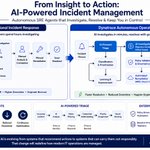
Dynatrace’s Autonomous SRE Agents are leading a shift towards AI that resolves issues, under strict enterprise governance.
--
👉 𝐇𝐨𝐰 𝐢𝐭 𝐢𝐦𝐩𝐫𝐨𝐯𝐞𝐬 𝐲𝐨𝐮𝐫 𝐰𝐨𝐫𝐤𝐟𝐥𝐨𝐰?
• The Autonomous SRE Agent determines if a detected problem is part of an existing investigation and keeps it updated as new evidence appears.
• The Cloud SRE Agent coordinates remediation across AWS, Microsoft Azure, and Google Cloud, compiling findings into a single auditable record.
--
What stands out is how this automation is designed.
Rather than relying solely on AI outputs, Dynatrace combines agentic AI with a real-time understanding of the system.
Every action is based on production telemetry, governed by enterprise policies, and designed to be transparent and auditable.
Human oversight remains an integral part of the process.
👉 We believe Enterprise AI should not only help organizations understand what is happening in their IT environments, but also enable responsible, governed automation that redefines modern IT operations.
👉 Want to see how Agentic AI handles automated triage under strict enterprise guardrails? Let's talk.
#AgenticAI #CloudComputing #AIAgents
🤖 Made with AI

📌 Found this helpful? Follow Techificial.ai for more insights on Enterprise AI and Agentic AI.
We help startups and enterprises design, build, and deploy AI solutions that act on trusted data rather than assumptions, reducing manual effort, improving operational reliability, and delivering measurable business outcomes.
Check out our official website: techificial.ai/
Techificial.ai retweeted
Everyone is talking about OpenAI's 80% price cut on GPT-5.6 Luna.
But here’s the real masterstroke most tech commentators have missed.
It’s not just about being more efficient. It’s about AI improving the infrastructure that supports the next generation of AI.
For years, AI costs depended on:
• Better chips
• Faster GPUs
• Larger data centers
But this time, something changed.
OpenAI didn't just reduce GPT-5.6 Luna's API input pricing from $1 to $0.20 per million tokens. They used GPT-5.6 to optimize GPU kernels, inference systems, and production serving infrastructure.
This lowers the cost of running AI at scale while maintaining frontier-level quality.
--
What This Means for Enterprise Leaders:
1. More affordable AI for support, engineering, search, and automation.
2. Use premium models for reasoning and Luna for routine AI tasks.
3. Scale AI across teams without raising infrastructure costs.
4. Launch AI initiatives with lower operational costs from day one.
5. Build larger AI workloads without increasing computing expenses.
6. Balance performance, speed, and cost across every AI workload.
--
The companies that combine intelligent model routing, infrastructure optimization, and production-ready AI architectures will be in the best position to scale AI as demand grows.
If your organization wants to reduce inference costs or build enterprise AI solutions that maximize ROI, Techificial.ai is here to help businesses like yours turn these AI advancements into practical, scalable deployments.
Email us at [email protected] to discuss your enterprise AI roadmap.
