

Independent Educator | Language & Literacy | English & Kannada | ELL | LD | Responsive | Inclusive | Trauma-Informed
Joined January 2016
- Tweets4.5K
- Following156
- Followers393
- Likes8.9K




Pinned Tweet
My pedagogy in a nutshell:
1. Teach knowledge explicitly
2. Provide tons of practice to make knowledge automatic
3. Keep testing to see if going back to 1 or 2 is necessary
4. Repeat
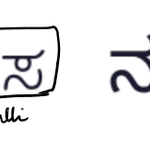
I can't believe my year-long search for a Kannada font that can help my struggling students was available right here @_sanchaya!
The Hubballi font solved the problem of confusion between ನ and ಸ especially when the font size is small or lighting is poor. >>
All my teaching learning materials are now going to be in Hubballi font.
Thank you to the people making @_sanchaya possible.

I spent all of half an hour, and I'm so impressed! Excellent search and UI. Thank you so much for this service!
Also found that when I click download on books from Azim Premji University, it says 404. I could download from archive though.

#ServantsOfKnowledge We are experimenting ways to fix the last mile access to OpenKnowledge resources we are building. this is something we built with #frappe
Give this a try, its being tested for various profiles we want to use these resources for learning, research and more. I'm personally interested to see this working for Indic Languages with Language and Accessibility Tools.
Note: Features are hidden in the help page, Give it a read without miss.
#OpenAccess #OpenKnowledge #Libraries #DigitalLibraries #DigitalArchive #FOSS
ht: @rushabh_mehta
research.servantsofknowledge…

Aishwarya retweeted

My Kannada Translation of the popular song "Pārvatī" from the recent movie "Hanuman Ansh"
The lyrics of the original song are in Bundeli.
youtu.be/s2HYl12gmOY?si=8U6C…
ಹಠ ಹಿಡಿದಳು ತಾಯಿ ಪಾರ್ವತಿ
ಪಾರ್ವತಿ
ಪಾರ್ವತಿ
ಋಷಿಗಳು ಬಂದರು ಹೇಳಲು ಬುದ್ಧಿ ಹೇಳಲು ಬುದ್ಧಿ
ಹೇಳಲು ಬುದ್ಧಿ
ಹಠವೇಕಮ್ಮ?
ಚಟವೇನಮ್ಮ?
ಹಠವೇಕಮ್ಮ, ಚಟವೇನಮ್ಮ, ಆತನೆ ಮದುಮಗನೆಂದು
ಹಠವೇಕಮ್ಮ, ಚಟವೇನಮ್ಮ, ಆತನೆ ಮದುಮಗನೆಂದು
ಯಾತನು ಶಿರದಲಿ ಗಂಗೆಯ ಧರಿಸಿರುವನು
ಕೊರಳಲಿ ಹಾವಿನ ಮಾಲೆ
ಮುಗ್ಧನು ಎಷ್ಟೆಂದರೆ ಕರೆಯುವರೆಲ್ಲರೂ ಶಂಕರ ಭೋಲೆ
ಕರೆಯುವರೆಲ್ಲರೂ ಶಂಕರ ಭೋಲೆ
---
ಮನೆ ಇಲ್ಲ, ಗುಡಿಸಲು ಇಲ್ಲ, ಒಣ ಹುಲ್ಲಿನ ಚಪ್ಪರವಿಲ್ಲ
ತಿನ್ನಲಿಕೇನೂ ಸಿಗದಲ್ಲಿ , ಬೊಗಳುವ ನರಿ ನಾಯಿಗಳೆಲ್ಲ
ಅವಧೂತನ ವೇಷವನುಟ್ಟಾತನು
ಅಲೆವನು ಜಗದಲ್ಲೆಲ್ಲ
ಶೂಲವು ಬುರುಡೆಯ ಜೋಳಿಗೆ ಬಿಟ್ಟರೆ ಕೈಯಲಿ ಬೇರೇನಿಲ್ಲ
ಆತನ ಕೈಯಲಿ ಬೇರೇನಿಲ್ಲ
ಹಠವೇಕಮ್ಮ?
ಚಟವೇನಮ್ಮ?
ಹಠವೇಕಮ್ಮ? ಚಟವೇನಮ್ಮ, ಆತನೆ ಮದುಮಗನೆಂದು
ಹಠವೇಕಮ್ಮ? ಚಟವೇನಮ್ಮ, ಆತನೆ ಮದುಮಗನೆಂದು
ಯಾತನು ಶಿರದಲಿ ಗಂಗೆಯ ಧರಿಸಿರುವನು
ಕೊರಳಲಿ ಹಾವಿನ ಮಾಲೆ
ಮುಗ್ಧನು ಎಷ್ಟೆಂದರೆ ಕರೆಯುವರೆಲ್ಲರೂ ಶಂಕರ ಭೋಲೆ
ಕರೆಯುವರೆಲ್ಲರೂ ಶಂಕರ ಭೋಲೆ
---
ಜಟಾಜೂಟ ಭಸ್ಮಾಂಗ ಕಪಾಲಿಯು ನೋಡಲು ತೀರ ಭಯಂಕರ
ಚಂದ್ರಚೂಡ ಹುಲಿ ಚರ್ಮವ ತೊಟ್ಟು ವೃಷಭವನೇರಿದ ಶಂಕರ
ರಾಮನಾಮದ ರಸಿಕನು ಆತನಿಗಿನ್ನೇನೂ ಬೇಕಿಲ್ಲ
ಮಾರನ ಕೊಂದವನಾತಗೆ ಮನೆ ಸಂಸಾರವು ಒಗ್ಗುವುದಿಲ್ಲ
ಮನೆ ಸಂಸಾರವು ಒಗ್ಗುವುದಿಲ್ಲ
ಹಠವೇಕಮ್ಮ?
ಚಟವೇನಮ್ಮ?
ಹಠವೇಕಮ್ಮ? ಚಟವೇನಮ್ಮ, ಆತನೆ ಮದುಮಗನೆಂದು
ಯಾತನು ಶಿರದಲಿ ಗಂಗೆಯ ಧರಿಸಿರುವನು
ಕೊರಳಲಿ ಹಾವಿನ ಮಾಲೆ
ಮುಗ್ಧನು ಎಷ್ಟೆಂದರೆ ಕರೆಯುವರೆಲ್ಲರೂ ಶಂಕರ ಭೋಲೆ
ಕರೆಯುವರೆಲ್ಲರೂ ಶಂಕರ ಭೋಲೆ

"Philosophy arises only when the harmony of life is disturbed from within (or from without) so that the old child-like faith in the world and its laws becomes no longer possible; and grammar is a species of philosophy."
- Shripad Krishna Belvalkar in <<
Aishwarya retweeted

Generic approaches to metacognition or self-regulation not rooted in subject specific instruction is not really "evidence-based." A brief 🧵

Evidence-informed practice needs evidence-informed communication. The science of learning movement is about informing and explaining the best evidence to teachers but a huge part of the problem is how we communicate that evidence, specifically effect sizes.
sciencedirect.com/science/ar…

Aishwarya retweeted

New @DanaGoldstein article you should read:
“Somewhere between two-thirds and 90 percent of high school and college students are already using A.I. for schoolwork … A growing number of educators are alarmed, and insist that students should write without A.I.”

Welcome to Mysuru!
I hope you digitize dissertations from University of Mysore too!
#ServantsOfKnowledge started its new Digitization Centre activities in #Mysuru . We will be digitizing some amazing archaeology works , specially the library of the famous #MysuruPalace #DigitalArchiving #OpenKnowledge #OpenAccess #KarnatakaArchaeology #Archaeology
@_OpenSOK


Aishwarya retweeted

It is that time of the year again.
Here is the repeat post.
Why I Hated Meredith's First Grade Teacher: An Open Letter to America’s Teachers
By Kylene Beers
When my first born headed off to first grade, twenty-one years ago, she held my hand as we walked down the hallway of Will Rogers Elementary School in the Houston Independent School District. We walked into Ms. Miner's room and Meredith's steps grew more hesitant. This wasn't the University of Houston Child Care Center, the place she had gone for years while I was a doctoral student at UH. This place looked different – bigger, more official. There were big-kid desks pushed together in clusters. And though there were centers, they were not the dress-up center or the cooking center or water play center of the Child Care Center.
The room was filled with children she did not yet know, with books she had not yet read, with a math center that had number charts, and with a big poster by the door labeled, "Our Classroom Rules" that was still blank. "I don't want to stay," she said. I didn't want her to, either. I wanted her still with me, only me. I didn't want to give up those early years of childhood just yet, years when her world mostly revolved around her parents and new baby brother and a silly dog with big ears and afternoons spent in our local library reading book after book after book or playing in our neighborhood park, sometimes just sitting on the grass, watching the ants march by. Mustering every ounce of courage I said, "Oh, you will love first grade. It was my favorite year in school. I loved my first grade teacher, Mrs. Allen, and I bet you are going to love Ms. Miner, too." Meredith looked doubtful and so very small. And then Ms. Miner, long blond hair pulled back into a ponytail, saw us, came over, and bent down to Meredith's level. A first year teacher, Ms. Miner was full of energy and excitement. She loved books, wanted to be a great teacher, and had obviously spent weeks making her room look inviting to these 22 six-year-olds.
"Oh, you're Meredith! I recognized you from your picture! Come here and let me introduce you to some others. And let me show you all around the room. And, hey, you brought Corduroy as your favorite book and that's one of my favorite books, too!"
And then, somehow, without me even realizing, Meredith's small hand moved from mine to Ms. Miner's and she was gone. She was swallowed up by the sheer joy this other woman brought into her classroom, into learning, and into my child's life. "I guess I'll be going now," I said to Meredith who was busy putting school supplies away in her desk. "So, I'll be just around the corner at our house," I said blinking hard to keep away the tears." I think she nodded. Perhaps she even paused to wave. My feet couldn't move, and Ms. Miner gently helped me out of the classroom. "She's really shy," I said to Ms. Miner just as Meredith sped by holding a new friend's hand showing her "all these hooks where we can hang our backpacks."
Meredith was breathless with excitement at the end of that day – every day – and by the end of the first week, our family had a new member: Ms. Miner. Each afternoon and for long into the evening, I had to listen to "Ms. Miner said . . ." and "Ms. Miner thinks . . ." and "Ms. Miner showed us . . ." and when I slipped and said, "Oh damn" at dinner burned in the oven, I was reminded that "Mom, Ms. Miner would never say . . . ." Right, I smiled through gritted teeth.
For the entire year I watched my child fall in love with school, with learning, with figuring out, and most importantly, with her first grade teacher, Ms. Miner. Meredith, who had once hated ponytails, now only wanted to wear ponytails. And blue skirts, "just like Ms. Miner's." "And Mom, my name starts with an M and Ms. Miner starts with an M. Isn't that great!! We match!" Yes, Meredith, just great. Really great. Oh damn.
Though I had been a teacher for years before having Meredith, before sending her off to first grade, I had never truly understood the power of a teacher in a child's life. We give our most precious and priceless to you – dear teachers – each year, knowing you will teach them, but also hoping you will care for them, help them discover how very much they matter, watching over them, and being there when they have been hurt by the ones who won't let them sit at the "popular" table – and then you do just that and they fall in love with you. It shows up in different ways as they grow older. But it's still there, this deep affection and respect. And, certainly, it's harder to forge those bonds when there are 150 students instead of twenty-two, when the day is fragmented into forty-five minute classes, when education seems to be more about the test than the child. But I promise, underneath that bravado of the seventh grader or swagger of the tenth grader you will find that small first grader who wonders, "Will my teacher like me?" And when that child – that teen – knows that you believe he or she matters, then that student will do most anything for you.
To this day, Meredith remembers you, Ms. Miner, and to this day, I so hated how much she loved you that year. And, simultaneously, I am so grateful that she did.
And so, dear teachers, across this country during the next two weeks, most of you will be opening your classroom doors in a first-day welcoming for your students. As a teacher I am proud to stand beside you in all that you do. But as a parent, well, as a parent I stand in awe of all that you do. And to Ms. Miner, thank you.
Aishwarya retweeted

In 2020, a student heard about object permanence in his undergrad psychology course. Object permanence is an early developmental stage when children come to understand that an object is still there, even when they can’t see it. It is acquired around the age of 18 months. Without it, we’d be profoundly disabled. Dogs have object permanence - if they didn’t, they would not chase after balls.
That student made a TikTok video, claiming that object permanence was actually a symptom of his ADHD. He said when he couldn’t see things anymore, it was like they did not exist for him. Others picked it up and more videos appeared. It spread. Blog posts were written which described fairly typical forgetfulness, and called it object permanence. Walk into a room and forget what you came for? Perhaps you lack object permanence, and therefore have ADHD. The more it was talked about, the wider it spread. Infographics appeared. Losing your keys could, apparently, be a sign of poor object permanence.
By 2025, parents were telling me that their teens had poor object permanence, and that’s why they couldn’t keep up with friends.
By 2026, author and influencer Alex Partridge wrote in his bestselling book that object permanence was a symptom of ADHD.
Object permanence went from one undergraduate’s TikTok video to mainstream acceptance within a few years. Most people now have no idea where it came from, or what the original concept of object permanence was. It’s become part of ADHD.
And that’s how new ideas are emerging and gaining credibility in neurodivergence. No science, no scrutiny - all it takes is a TikTok post and a catchy name.
Owen Chevalier tracked the evolution of object permanence in his paper, referenced below.
Are there other terms like this that you’ve noticed emerging?
Chevalier, O. (2024). "It starts on TikTok": Looping effects and the impact of social media on psychiatric terms. Philosophy, Psychiatry, & Psychology, 31(2).
Aishwarya retweeted

On #MothersDay, let's look at 2 unique mothers, Devaki and Yashoda.
Each had a share of the joy of being mother to Krishna.
One gave birth to Him, the other brought Him up.
2 Azhvars bring out the contrast between these 2 mothers.
Let's look at them on #MothersDay2023


Aishwarya retweeted
NEW POST: You can't apply the science of learning to materials that weren't designed for it. Retrieval practice is a curriculum property, not a teaching technique.

I finding prompting AI extremely cumbersome and life-draining. It is just simpler and faster to write the whole thing myself.
And yes, writing is thinking. As long as you're writing, you're thinking. The moment you delegate writing, you delegate thinking.
This quoted post is unavailable.