
Representative at UN, Kurdistan Human Rights Association-Geneva. KMMK-G promotes human rights and human dignity for all, in particular for minorities in Iran.
Geneva, Switzerland
Joined April 2013
- Tweets3.7K
- Following1.8K
- Followers897
- Likes20.3K






Taimoor Aliassi retweeted

#Iran: UN experts urge immediate halt to executions. Iran has seen too much death: lives lost to war and lives taken by their own State. "What happened cannot be undone, but what happens to those facing execution lies within the authorities' control."
ohchr.org/en/press-releases/…

1,200 executions in Iran so far in 2026, including 27 women, 216 Kurds, 75 Baluchis and 78 political prisoners. Historically Kurds, Baluchis and Ahwazis make up 90% of political executions. This is not justice. It is control. #StopExecutionsInIran #WorldDayAgainstDeathPenalty

Taimoor Aliassi retweeted

Ahead of the World Day Against the Death Penalty, my mandate issued a press release on the use of the death penalty in Iran, joined by other UN experts.
ohchr.org/en/press-releases/…
Iran: UN experts urge immediate halt to executions as country drives global surge
GENEVA (9 October 2026) – UN experts* today called on Iranian authorities to immediately halt all executions, warning that Iran is among a shrinking group of States that still execute, and by far the most prolific per head of population.
“Iran has seen too much death: lives lost to war and lives taken by their own State,” the experts said.
In January 2026, security forces killed thousands of protesters – conduct the Independent International Fact-Finding Mission found amounted to crimes against humanity. “What happened cannot be undone, but what happens to those now facing execution lies entirely within the authorities’ control.”
No one arrested over the protests should be executed, regardless of the accusations brought against them. “The cases brought to our attention are so riddled with procedural unfairness and underlying gross human rights violations, including torture, enforced disappearances, sexual violence, coerced confessions and denial of access to lawyers of their choosing, especially at the investigation stage, that this alone should rule out execution,” the experts said.
“Iran’s death penalty is used to silence dissent, with broadly defined national security offences recasting peaceful activity as a threat. That must change,” they said. “Iran’s own history shows that grievances left unaddressed resurface, however brutally they are repressed. Executions do not end dissent, but breed the next wave of it.”
While attention focuses on security cases, most executions in Iran are for homicide, under qisas (retribution-in-kind), and for drug-related offences. Such executions are an easy substitute for the harder work of confronting the main drivers of homicides and the drug trade, including poverty, discrimination and gender-based violence. Those executed for drug offences appear to be overwhelmingly low-level couriers driven by hardship, many from marginalised ethnic minorities, and not those at the top of the trade.
Qisas removes responsibility from judges, and places life and death in the hands of victims’ families, where the ability to pay diya (blood money) can decide who lives. This is also deeply gendered: women unable to afford diya are executed for killing abusive husbands, often after child marriage and years of violence in a country where women have neither legal protection from domestic violence, nor the means to escape it.
The experts noted that consensual same-sex acts and religious offences, such as apostasy, remain punishable by death. “Regardless of the number of executions carried out for these offences, as long as these laws exist, people cannot hold, change or leave a religion or belief, or live openly according to their sexual orientation. They cannot express who they are without fear.”
The experts urged authorities to establish an immediate moratorium on executions as a first step towards abolition, to commute all death sentences and to review every case against fair trial standards.
“A moratorium would send a powerful message to the people of Iran: that the State’s use of lethal force can end, and that the country can move away from a system that has produced far too many arbitrary executions,” the experts said.
*The experts:
Mai Sato, the Special Rapporteur on the situation of human rights in the Islamic Republic of Iran
Graeme Reid, the Independent Expert on protection against violence and discrimination based on sexual orientation and gender identity
Morris Tidball-Binz, the Special Rapporteur on extrajudicial, summary or arbitrary executions
Nazila Ghanea, the Special Rapporteur on freedom of religion or belief
Margaret Satterthwaite , the Special Rapporteur on the independence of judges and lawyers
Leopoldo Maldonado Gutiérrez, the Special Rapporteur on the promotion and protection of the right to freedom of opinion and expression
Gina Romero, the Special Rapporteur on the rights to freedom of peaceful assembly and of association
Andrea Bolaños Vargas, the Special Rapporteur on the situation of human rights defenders
Richard Bennett, the Special Rapporteur on the situation of human rights in Afghanistan
Matthew Gillett (Chair-Rapporteur), Ms. Ganna Yudkivska (Vice-Chair for Communications), Mr. Ethan Hee-Seok Shin (Vice-Chair for Follow-Up), Ms. Miriam Estrada Castillo and Mr. Mumba Malila, the Working Group on Arbitrary Detention
Claudia Flores (Chair), Ivana Krstić (Vice-Chair), Dorothy Estrada-Tanck, Haina Lu, and Laura Nyirinkindi, the Working Group on discrimination against women and girls
Grażyna Baranowska (Chair-Rapporteur), Ana Lorena Delgadillo Pérez (Vice-Chair), Aua Baldé, Gabriella Citroni and Mohamed Al Obaidi, the Working Group on Enforced or Involuntary Disappearances
Pau Pérez-Sales, the Special Rapporteur on Torture and Other Cruel, Inhuman or Degrading Treatment or Punishment

Taimoor Aliassi retweeted
Four years after the death in custody of Jina Mahsa Amini, the grievances behind the Woman, Life, Freedom movement remain unaddressed. The January protests added another layer of loss to those already accumulated. Each cycle of protest has been met with repression rather than answers, so the grievances remain.
Iran has a long history of protest, and the State’s response follows a familiar pattern: lethal force, arbitrary detention, executions, protesters labelled as spies and terrorists, and pressure on their families. What has changed is its severity. Meanwhile, the space to protest has all but closed. Constitutional limits, permit requirements, broadly drafted security offences and the 2025 Espionage Law mean almost any form of protest may be treated as unlawful.
Mahboubeh Shabani, from Mashhad, used her motorcycle to take people injured in the January protests to safety and medical care. She has been sentenced to death under the Espionage Law for ‘operational action to strengthen Israel, the United States and agents affiliated with Reza Pahlavi.’ In an audio message recorded from prison, she voiced concern for other prisoners facing execution and described the psychological toll of living with that threat. Two days later, she was moved to solitary confinement, a transfer that often comes before an execution. She has not had the chance to appeal.
Ali Zarei suffered a serious eye injury from shotgun pellets allegedly fired by security forces in the 2022 Woman Life Freedom movement. Arrested after returning to Iran in April 2026, he has been sentenced to death for ‘corruption on earth’ over ‘widespread political activities.’ On 21 September, he too was moved to solitary confinement.
I have referred to others facing the death penalty in connection with protests: Mohsen Eslamkhah, Rauf Sheikh-Maroufi, Mohammad Faraji, Shervin Bagherian Jebeli, Taraneh Rahimi and Benyamin Naghdi. Alireza Sepahi was executed on 5 October. (Please note that I can only name cases where I have obtained consent.)
Helping the injured, calling for change, taking to the streets: in Iran today, each can lead to a death sentence. Yet, more than four decades of history show that repression has not stopped people from taking to the streets. It has only deepened the grievances that bring them there. I urge the authorities to halt all executions and quash all death sentences linked to the protests, and to recognise peaceful dissent not as a threat, but as part of a healthy society.
My mandate’s communication on Mahboubeh Shabani and Ali Zarei will be published here soon: spcommreports.ohchr.org/Tmse…
My mandate’s communication on Mohsen Eslamkhah, Rauf Sheikh-Maroufi and Mohammad Faraji
spcommreports.ohchr.org/TMRe…
Response by the Iranian authorities
spcommreports.ohchr.org/TMRe…
My mandate’s communication on Shervin Bagherian Jebeli
spcommreports.ohchr.org/TMRe…
Response by the government received but not yet published. It will become available here: spcommreports.ohchr.org/TmSe…
My mandate’s communication on Taraneh and Romina Rahimi
Not yet published but it will become available here: spcommreports.ohchr.org/tmse…
My mandate’s communication on Benyamin Naghdi
Will become available on 20 October here, and the response is yet to be published: spcommreports.ohchr.org/Tmse…
Taimoor Aliassi retweeted
چهارسال از مرگ ژینا مهسا امینی در بازداشت گشت ارشاد میگذرد؛ اما نارضایتیهایی که جنبش «زن، زندگی، آزادی» را رقم زدند همچنان برقرار ماندهاند. اعتراضات دی ماه لایه دیگری از فقدان را بر رنجهای پیشین مردم افزود. هر دور از اعتراضات به جای پاسخگویی به مطالبات مردم، با سرکوب مواجه شده است. بنابراین نارضایتیها پابرجا باقی ماندهاند.
ایران پیشینهای طولانی در اعتراضات دارد، واکنش حکومت هم الگویی آشنا را دنبال میکند: استفاده از نیروی مرگبار، بازداشتهای خودسرانه، اعدام، متهم کردن معترضان به جاسوسی و تروریسم، و اعمال فشار بر خانوادههای آنها. آنچه تغییر کرده است تنها شدت این واکنشهاست که با هر دوره از اعتراضات شدیدتر شده است. در همین حال، فضای موجود برای اعتراض کاملاً بسته شده است. محدویتهای قانون اساسی، الزام به دریافت مجوز، جرایم امنیتی با تعاریف کلی و قانون تشدید مجازات جاسوسی مصوب ۱۴۰۴ باعث شدهاند که تقریباً هر نوع اعتراضی غیرقانونی تلقی شود.
محبوبه شعبانی، اهل مشهد، از موتورسیکلت خود برای انتقال افرادی استفاده میکرد که در جریان اعتراضات دی ماه زخمی شده بودند، تا آنها را به محلی امن یا مراکز درمانی برساند. او بر اساس قانون جاسوسی به اتهام «اقدام عملی در جهت تقویت اسرائیل، آمریکا و عوامل وابسته به رضا پهلوی» به اعدام محکوم شده است. در پیامی صوتی از زندان، محبوبه نگرانی خود را در مورد زندانیانی که با اعدام روبرو هستند ابراز کرد و از آسیب روانی ناشی از زندگی با این ترس صحبت کرد. دو روز بعد، او به سلول انفرادی منتقل شد؛ این انتقال معمولاً قبل از اجرای حکم اعدام صورت میگیرد. محبوبه هنوز فرصت درخواست تجدیدنظر هم نداشته است.
علی زارعی در جریان جنبش «زن، زندگی، آزادی» در سال ۱۴۰۱، بر اثر اصابت ساچمه از ناحیه چشم به شدت مجروح شد. او پس از بازگشت به ایران در اردیبهشت ۱۴۰۵ بازداشت شد و به اتهام «افساد فیالارض» در ارتباط با «فعالیتهای سیاسی گسترده» به اعدام محکوم شده است. او هم در تاریخ ۳۰ شهریور به سلول انفرادی منتقل شد.
پیشتر از این به افراد دیگری که در ارتباط با اعتراضات با حکم اعدام مواجه هستند اشاره کردهام: محسن اسلامخواه، رئوف شیخمعروفی، محمد فرجی، شروین باقریان جبلی، ترانه رحیمی و بنیامین نقدی. علیرضا سپاهی در آخر روز ۱۳ مهر اعدام شد. (لطفا در نظر داشته باشید که ماموریت من تنها میتواند از پروندههایی نام ببرد که رضایت افراد در مورد آنها را دریافت کرده باشد.)
کمک به مجروحان، مطالبه تغییر و حضور در خیابان: در ایران امروز، هریک از این اقدامات میتواند به صدور حکم اعدام منجر شود. با این حال، بیش از چهار دهه تاریخ نشان داده است که سرکوب نتوانسته مردم را از حضور در خیابان بازدارد. این سرکوب تنها نارضایتیهایی که مردم را به خیابان میکشاند عمیقتر کردهاست.
از مقامات درخواست میکنم که تمامی اعدامها را متوقف کنند، تمامی احکام اعدام مرتبط با اعتراضات را لغو کنند و مخالفت و اعتراض مسالمتآمیز را نه به عنوان تهدید، بلکه به عنوان بخشی از یک جامعه سالم به رسمیت بشناسند.
مکاتبه ماموریت من در مورد محبوبه شعبانی و علی زارعی به زودی در اینجا منتشر خواهد شد:
spcommreports.ohchr.org/Tmse…
مکاتبه ماموریت من در مورد محسن اسلامخواه، رئوف شیخمعروفی و محمد فرجی:
spcommreports.ohchr.org/TMRe…
پاسخ مقامات ایرانی:
spcommreports.ohchr.org/TMRe…
مکاتبه ماموریت من در مورد شروین باقریان جبلی:
spcommreports.ohchr.org/TMRe…
پاسخ مقامات دریافت شده اما هنوز منتشر نشده است. به زودی در اینجا در دسترس قرار خواهد گرفت:
spcommreports.ohchr.org/TmSe…
مکاتبه ماموریت من در مورد ترانه و رومینا رحیمی هنور منتشر نشده است، به زودی در اینجا در دسترس قرار خواهد گرفت:
spcommreports.ohchr.org/tmse…
مکاتبه ماموریت من در مورد بنیامین نقدی به زودی در اینجا به همراه پاسخ مقامات در دسترس قرار خواهد گرفت:
spcommreports.ohchr.org/Tmse…
Taimoor Aliassi retweeted
In Iran, the toll of the death penalty falls not only on those executed but also on their families, both before and after the execution. This week marked yet more executions of protesters who participated in the December 2025–January 2026 protests. One of the men executed was Alireza Sepahi. He had been due to be publicly executed alongside two other protesters in Isfahan’s Alikhani Square on 28 July, but he suffered a heart attack shortly beforehand and was taken to hospital. Since then, he and his family had lived under the constant threat of execution, without a clear understanding of when it might happen. This Monday, that wait ended (see my post on public executions: xitter.cf/drmaisato/status/21070…).
The worst had happened, yet for his family the horror continued. His body was reportedly not returned to his family for burial in Isfahan. Instead, it was transferred to Kashan, 200 km away from his home. Sadly, this is not an isolated example.
Sepahi’s case shows that families are at the forefront of the suffering not only while their loved ones are in detention, but also after their execution. Losing a loved one is painful, but being unable to speak about their story, honour their life, or come together to mourn inflicts further needless suffering. Withholding a body or forcing a family to bury elsewhere is a tactic to control the narrative, silence the living and supress remembrance. Similar tactics were used following the December-January protests. Families of those executed were often pressured to accept the state’s portrayal of their loved ones as terrorists or murderers rather than protesters. Families of those killed in the protests were similarly pushed to claim their relatives were Basij members. When families speak up, they often face repression, and in some cases detention and prosecution. Others are left to carry their pain in silence.
In my communications to the Government, I have stressed that intentionally inflicting such suffering on family members through uncertainty, denial of information, refusal to return bodies, restrictions on mourning, or denial of a final visit, may amount to cruel, inhuman, or degrading treatment of the relatives (see below communications on this matter).
Since the December-January protests, many families have been reluctant to give their consent for my mandate to raise the cases of their loved ones with the authorities, even when those loved ones were already on death row. They feared that this could have adverse consequences for their loved ones or lead to the further arrest and persecution of other members of the family. Such intimidation undermines not only the right to freedom of opinion and expression, but also the right to truth and, ultimately, the pursuit for justice and accountability.
Losing a loved one is difficult. Families should not be made to suffer further through secrecy, uncertainty, restrictions on mourning, or the denial of a final goodbye. An execution should not be followed by further punishment of the family. The authorities should return the bodies to their families, allow them to bury their loved ones with dignity, and respect their right to tell their story, mourn and remember.
My mandate’s communication regarding Hamid Hosseinnezhad Heidaranlou: spcommreports.ohchr.org/TMRe…
Government’s response: spcommreports.ohchr.org/TMRe…
My mandate’s communication regarding Behrouz Alkhani: spcommreports.ohchr.org/TMRe…
Government’s response: spcommreports.ohchr.org/TMRe…
My mandate’s communication regarding Habibollah Golparipour: spcommreports.ohchr.org/TMRe…
Government’s response: spcommreports.ohchr.org/TMRe…

“On the night of 27 July, people kept vigil in Alikhani Square until dawn. There is something profoundly human about it: standing in the darkness so that another person does not have to face death alone.”
This comes from the testimonies of people who rushed to Alikhani Square that night.
The square had been prepared for the public execution of three protesters from the January 2026 protests in Isfahan. A scaffold had been erected; families had been summoned. There was a heavy security presence surrounding the area.
People rushed there to stop the executions. They were met with violence, including lethal force. Yet people stayed refusing to give up on the men's lives until the very last moment. Gathering to plead for a life is not a crime, least of all against a public execution, which is incompatible with international human rights law.
In the end, two of the three men were executed that night in public before the eyes of their families, and of the people who had spent the night hoping to save them. They were made to witness every moment.
Public execution turns death into a spectacle and exposes an entire society to the violence of the State.
Alireza Sepahi was not executed that night, but he was far from safe. He was executed today, 5 October. He was arrested at his home on 10 January 2026, and was one of 12 defendants sentenced to death in the case concerning the deaths of four security personnel at Alikhani Square, which the defendants were accused of causing.
The case has been accompanied by serious allegations concerning the treatment of the defendants and the fairness of the proceedings. Reports say that Sepahi’s mother was tortured in his presence, and that he and his cousin were beaten and tortured in front of members of their family. Sepahi was sentenced to death by the Isfahan Revolutionary Court and was scheduled to be publicly hanged that night, alongside the other two men. But shortly before the scheduled execution, he suffered a heart attack and was transferred to hospital. He was discharged a few days later and returned to prison, where he lived every day in fear of execution, until the moment arrived.
On 2 September, his appeal was accepted and his case was referred for retrial. However, the Isfahan Revolutionary Court reportedly dismissed the application without holding a hearing. The sentence was carried our early hours of 5 October, while his lawyer and legal counsel were still trying to find a way for his retrial.
Public executions constitute cruel, inhuman and degrading treatment. No one should face this punishment, and no society should be made to watch.
My mandate’s communication about Alireza Sepahi would be published here soon.
spcommreports.ohchr.org/Tmse…
Taimoor Aliassi retweeted
Meysam Irandegani, a Baluch from Khash, was reportedly 14 years old when an altercation at the repair shop where he worked — in which he tried to defend his grandfather — ended in a death. He surrendered himself to the authorities, was convicted of intentional murder and sentenced to qisas (retribution-in-kind). In July 2026 he was hanged in Iranshahr Prison. His execution has never been acknowledged by domestic media outlets or Iranian authorities.
Goli Kouhkan, an undocumented Baluch woman, was forced to marry her cousin at age 12. At 18, she called a relative for help while her husband was beating their five-year-old son; the confrontation that followed ended in her husband’s death. Sentenced to qisas, she spent seven years on death row. The husband’s family agreed to forgo execution for 10 billion tomans in diya (blood money) — several times the official rate – which Kouhkan could not afford. In December 2025 she was spared, after enough money was raised internationally, following significant media attention to the case.
One may be tempted to say there is no issue with qisas sentences: the ICCPR, which Iran ratified in 1975, permits the death penalty for intentional killing in countries that retain it. But the way qisas sentences are operationalised violates international human rights law at every stage.
First, In the cases I've received, judges appear to treat even deaths caused in a sudden altercation as intentional killings.
Second, in cases where a judge concludes that there has been an intentional killing, the Penal Code does not allow judges to weigh mitigating circumstances, such as the fact that Meysam was a child trying to protect his grandfather, or that Goli had survived years of violence and was responding to an attack on her son. International law requires individualised sentencing in capital cases precisely because these circumstances matter; a death sentence imposed automatically, without regard to the offender’s circumstances, is an arbitrary deprivation of life.
Third, the ICCPR requires that a death sentence be imposed and carried out pursuant to a final judgment of a competent court. Judges must pass sentence — not the victim’s family. Under qisas, whether a person lives or dies rests on the family’s choice between retribution, forgiveness and diya. A State must not outsource its human rights obligations to private individuals.
Fourth, because diya operates as a settlement, the outcome depends on wealth: a defendant who can pay lives; one who cannot is executed for the same offence. That is discrimination on socio-economic grounds, and it makes the deprivation of life arbitrary.
And where the person was under 18 at the time of the offence, as Meysam may have been, the prohibition is absolute (see my post here on execution of minors: xitter.cf/drmaisato/status/21049…).
Qisas sentences leading to execution accounts for roughly half of Iran’s executions —900+ recorded in 2024 and 750+ in 2025. Yet these cases rarely reach my mandate. Meysam’s and Goli’s are the only two qisas cases for which I have received consent to tell their stories and to communicate my concerns to the Iranian authorities—and one of them reached me only after the execution had been carried out.
Ending qisas sentencing will significantly reduce the number of executions carried out in Iran and bring its practice closer to international standards.
My Mandate’s communication on Goli Kouhkan
spcommreports.ohchr.org/TMRe…
Response by the Iranian authorities confirming the release of Goli Kouhkan
1) spcommreports.ohchr.org/TMRe…
2) spcommreports.ohchr.org/TMRe…
Guardian article on Goli Kouhkan: theguardian.com/global-devel…
My Mandate’s communication on Meysam Irandegani – not yet published but it will be published here
spcommreports.ohchr.org/tmse…
Mohsen Eslamkhah, a Kurd from Bukan, was 16 when the Woman, Life, Freedom protests began in 2022. Like many other young people, he took to the streets to call for freedom, dignity and change. In February 2026 a Revolutionary Court sentenced him to death for moharebeh (enmity against God) for acts alleged to have taken place when he was a child. He remains on death row.
International law leaves no room here. Key treaties ratified by Iran prohibit the death penalty for offences committed under 18. Mohsen is not alone. My mandate has received reports of others facing execution for offences allegedly committed when they were children.
Four years on, many young people once again took to the streets, calling for a better future they felt was slipping away from them. Shervin Bagherian Jebeli was one of them. He had turned 18 days only days before security forces raided his home in Isfahan at night in January 2026. His family heard nothing for a week. Then State television aired his confession, recorded under interrogation, before any trial. In it, he is told he is charged with moharebeh. He does not appear to know what the word means. He was sentenced to death with 11 others in a single closed hearing, with no clarity as to what each is accused of doing. He remains on death row.
The rule on children exists because young people are developing and capable of change, and that does not stop on a birthday. The death sentences against Mohsen and the others who were children at the time are prohibited outright. Shervin’s case should make us deeply uneasy: a death sentence for a boy who had been an adult for a matter of days. But his age is not the only reason he should not be executed. A week of enforced disappearance, an apparently coerced confession broadcast before trial, and a closed hearing that never said what he personally is accused of having done are each reason enough.
Respecting the prohibition on executing children is the least Iranian authorities can do; halting these executions is what the authorities must do. A young person’s future should not end with a death sentence.
My Mandate’s Communication on Mohsen Eslamkhah
spcommreports.ohchr.org/TMRe…
Response by the Iranian authorities
spcommreports.ohchr.org/TMRe…
My Mandate’s communication on Shervin Bagherian Jebeli
spcommreports.ohchr.org/TMRe…
Response by the government received but not published yet. It will be available here later today - spcommreports.ohchr.org/TmSe…
Taimoor Aliassi retweeted
For Kurds, Baluch, Ahwazi Arabs, Azerbaijani Turks and Turkmen, discrimination extends from restrictions on language rights to ethnic stereotyping in State media. Economic marginalization, land confiscation and environmental degradation have further deepened poverty in many minority regions. Many Baluch are denied a shenasnameh (identity booklet), limiting access to education, healthcare and formal employment. Kurdish kolbars and Baluch sukhtbars often rely on cross-border transport of goods and fuel for their livelihoods. Environmental mismanagement has displaced communities across minority regions, including Kurdish, Arab, Baluch, Turkmen and Gilak areas, while Azerbaijani Turks continue to experience the consequences of environmental degradation around Lake Urmia. Religious minorities face similar forms of exclusion. Baha'is are effectively barred from higher education and public employment and, like Christian converts, have long been portrayed as security threats. Sunni Muslims and Yarsan remain excluded from public office.
This broader context is essential to understanding death penalty cases involving minorities. Discrimination does not end at the gates of the criminal justice system; it can affect arrest, detention, trial and sentencing, including in capital cases.
Ethnic minorities facing capital charges often encounter additional barriers to a fair trial, including inadequate interpretation during interrogations and court proceedings, allegations of torture and other ill-treatment aimed at extracting confessions, and prosecutions on national security charges often unsupported by credible evidence.
The case of Farhad Baranzehi, a young Baluch man, reportedly sentenced to death for baghy without a lawyer present, raises concerns regarding allegations of torture and other serious fair trial violations. Hatem Özdemir, a Turkish national of Kurdish ethnicity, was reportedly denied interpretation during critical stages of proceedings that resulted in a death sentence for baghy. Yousef Ahmadi, a Kurdish man from Baneh, has alleged extremely violent torture and denial of medical care following his arrest. Similar concerns have been reported in the cases of Rauf Sheikh-Maroufi, Mohammad Faraji and Mohsen Eslamkhah, three Kurdish men sentenced to death in connection with the Woman, Life, Freedom protests. At the time of writing, none of these death sentences has been carried out, and the individuals concerned remain at imminent risk of executions.
Documented patterns of ethnic and religious discrimination, combined with recurring allegations of torture, coerced confessions and fair trial violations in individual cases, raise serious concerns about the application of the death penalty to minority groups in Iran. Capital cases already warrant the most exacting scrutiny under international human rights law. These factors demand compelling grounds for particularly rigorous scrutiny of capital cases involving members of ethnic and religious minorities.
My Mandate’s communication on Hatem Özdemir
spcommreports.ohchr.org/TMRe…
Government’s response: spcommreports.ohchr.org/TMRe…
My Mandate’s communication on Farhad Baranzehi
spcommreports.ohchr.org/TMRe…
Government’s response: not yet received
My Mandate’s communication on Yousef Ahmadi, Raouf Sheikh-Maroufi, Mohammad Faraji and Mohsen Eslamkhah
spcommreports.ohchr.org/TMRe…
Government’s response: spcommreports.ohchr.org/TMRe…
Taimoor Aliassi retweeted
برای کردها، بلوچها، عربهای اهوازی، ترکهای آذربایجانی و ترکمنها، تبعیض از محدودیت در زمینه حقوق زبانی تا بازنماییهای کلیشهای قومی در رسانههای دولتی را دربر میگیرد. بهحاشیهرانی اقتصادی، مصادره زمینها و تخریب محیط زیست نیز فقر را در بسیاری از مناطق اقلیتنشین تشدید کرده است. بسیاری از بلوچها از داشتن شناسنامه محروماند و این امر دسترسی آنان را به آموزش، خدمات درمانی و اشتغال رسمی محدود میکند. کولبران کرد و سوختبران بلوچ اغلب برای تأمین معیشت خود به حملونقل برونمرزی کالا و سوخت وابستهاند. سوءمدیریت زیستمحیطی موجب آوارگی جوامع مختلف در مناطق اقلیتنشین، از جمله مناطق کردنشین، عربنشین، بلوچنشین، ترکمننشین و گیلکنشین شده است. در همین حال، ترکهای آذربایجانی همچنان با پیامدهای تخریب محیط زیست در اطراف دریاچه ارومیه مواجهاند.
اقلیتهای دینی نیز با اشکال مشابهی از طرد و محرومیت روبهرو هستند. بهاییان عملاً از تحصیلات عالی و اشتغال در بخش دولتی محروماند و همانند نوکیشان مسیحی، مدتهاست که بهعنوان تهدیدی امنیتی معرفی میشوند. مسلمانان اهل سنت و پیروان آیین یارسان نیز همچنان از تصدی مناصب دولتی محروم هستند.
درک این زمینه گستردهتر برای بررسی پروندههای مجازات اعدام مرتبط با اقلیتها ضروری است. تبعیض پشت درهای نظام عدالت کیفری پایان نمییابد، بلکه میتواند بر روند بازداشت، نگهداری در بازداشت، محاکمه و صدور حکم، از جمله در پروندههای منتهی به مجازات اعدام، تأثیر بگذارد.
اعضای اقلیتهای قومی که با اتهامات مستوجب اعدام مواجه میشوند، اغلب با موانع مضاعفی در برخورداری از محاکمه عادلانه روبهرو هستند. این موانع شامل دسترسی ناکافی به خدمات ترجمه شفاهی در جریان بازجوییها و جلسات دادگاه، ادعاهای مربوط به شکنجه و دیگر اشکال بدرفتاری با هدف اخذ اعتراف، و پیگرد قضایی بر اساس اتهامات مرتبط با امنیت ملی است که غالباً با شواهد معتبر پشتیبانی نمیشوند.
پرونده فرهاد بارانزهی جوانی بلوچ که بنا بر گزارشها بدون حضور وکیل به اتهام «بغی» به اعدام محکوم شده است، نگرانیهایی جدی درباره ادعاهای شکنجه و دیگر موارد نقض شدید حق برخورداری از محاکمه عادلانه ایجاد میکند. بنا بر گزارشها، حاتم اوزدمیر، تبعه ترکیه و کرد، در مراحل حساس دادرسی که به صدور حکم اعدام او به اتهام «بغی» انجامید، از دسترسی به مترجم محروم بوده است. یوسف احمدی، مردی کرد از بانه، مدعی شده است که پس از بازداشت تحت شکنجههای بسیار خشونتآمیز قرار گرفته و از دریافت خدمات درمانی محروم شده است.
نگرانیهای مشابهی نیز در پروندههای رئوف شیخمعروفی، محمد فرجی و محسن اسلامخواه، سه مرد کرد که در ارتباط با اعتراضات «زن، زندگی، آزادی» به اعدام محکوم شدهاند، گزارش شده است. تا زمان نگارش این متن، هیچیک از این احکام اعدام اجرا نشده و افراد نامبرده همچنان در معرض خطر قریبالوقوع اعدام قرار دارند.
الگوهای مستند تبعیض قومی و دینی، همراه با ادعاهای مکرر درباره شکنجه، اعترافات اجباری و نقض حق برخورداری از محاکمه عادلانه در پروندههای فردی، نگرانیهای جدی درباره اعمال مجازات اعدام علیه گروههای اقلیت در ایران ایجاد میکنند. پروندههای منتهی به مجازات اعدام، بهخودیخود و بر اساس حقوق بینالملل بشر، مستلزم دقیقترین و سختگیرانهترین بررسیها هستند. این عوامل، دلایل قانعکنندهای را برای اعمال نظارتی بهویژه دقیق و سختگیرانه بر پروندههای مجازات اعدام مرتبط با اعضای اقلیتهای قومی و دینی فراهم میکنند.
مکاتبه مأموریت من درباره حاتم اوزدمیر :
spcommreports.ohchr.org/TMRe…
پاسخ مقامات ایرانی:
spcommreports.ohchr.org/TMRe…
مکاتبه مأموریت من درباره فرهاد برانزهی:
spcommreports.ohchr.org/TMRe…
پاسخ مقامات ایرانی:: تاکنون دریافت نشده است.
مکاتبه مأموریت من درباره یوسف احمدی، رئوف شیخمعروفی، محمد فرجی و محسن اسلامخواه:
spcommreports.ohchr.org/TMRe…
پاسخ مقامات ایرانی:
spcommreports.ohchr.org/TMRe…
Taimoor Aliassi retweeted
I welcome today's cross-regional joint statement at #HRC63, delivered by Liechtenstein on behalf of 45 States, condemning the escalating use of the death penalty in Iran. The need for a moratorium pending abolition has never been greater.
llv.li/serviceportal2/diplom…
Taimoor Aliassi retweeted
Mohsen Eslamkhah, a Kurd from Bukan, was 16 when the Woman, Life, Freedom protests began in 2022. Like many other young people, he took to the streets to call for freedom, dignity and change. In February 2026 a Revolutionary Court sentenced him to death for moharebeh (enmity against God) for acts alleged to have taken place when he was a child. He remains on death row.
International law leaves no room here. Key treaties ratified by Iran prohibit the death penalty for offences committed under 18. Mohsen is not alone. My mandate has received reports of others facing execution for offences allegedly committed when they were children.
Four years on, many young people once again took to the streets, calling for a better future they felt was slipping away from them. Shervin Bagherian Jebeli was one of them. He had turned 18 days only days before security forces raided his home in Isfahan at night in January 2026. His family heard nothing for a week. Then State television aired his confession, recorded under interrogation, before any trial. In it, he is told he is charged with moharebeh. He does not appear to know what the word means. He was sentenced to death with 11 others in a single closed hearing, with no clarity as to what each is accused of doing. He remains on death row.
The rule on children exists because young people are developing and capable of change, and that does not stop on a birthday. The death sentences against Mohsen and the others who were children at the time are prohibited outright. Shervin’s case should make us deeply uneasy: a death sentence for a boy who had been an adult for a matter of days. But his age is not the only reason he should not be executed. A week of enforced disappearance, an apparently coerced confession broadcast before trial, and a closed hearing that never said what he personally is accused of having done are each reason enough.
Respecting the prohibition on executing children is the least Iranian authorities can do; halting these executions is what the authorities must do. A young person’s future should not end with a death sentence.
My Mandate’s Communication on Mohsen Eslamkhah
spcommreports.ohchr.org/TMRe…
Response by the Iranian authorities
spcommreports.ohchr.org/TMRe…
My Mandate’s communication on Shervin Bagherian Jebeli
spcommreports.ohchr.org/TMRe…
Response by the government received but not published yet. It will be available here later today - spcommreports.ohchr.org/TmSe…
Taimoor Aliassi retweeted
It has been two years since I took up my mandate as Special Rapporteur on Iran. From the start, I have followed the use of the death penalty in Iran closely, and the need for a moratorium pending abolition has never been greater than it is now.
From tomorrow until 10 October, World Day Against the Death Penalty, I will post daily on death penalty cases my mandate has raised with the authorities of the Islamic Republic of Iran.
These cases mainly concern people are at risk of execution, often following proceedings that fall far short of international fair-trial standards. They include people arrested in connection with protests, people convicted of drug-related offences, and people sentenced to qisas (retribution in kind).
Taimoor Aliassi retweeted
دو سال از زمانی که ماموریت خود را بهعنوان گزارشگر ویژه در امور حقوق بشر در ایران بر عهده گرفتم، میگذرد. از همان ابتدا، استفاده از مجازات اعدام در ایران را از نزدیک دنبال کردهام؛ اکنون بیش از هر زمان دیگری، ضرورت برقراری مهلت قانونی (موراتوریوم) بر اجرای اعدامها تا زمان لغو کامل مجازات اعدام، احساس میشود.
از فردا تا ۱۰ اکتبر، روز جهانی مبارزه با مجازات اعدام، هر روز درباره پروندههای مرتبط با مجازات اعدام که با مقامات جمهوری اسلامی ایران مطرح کردهام اطلاعرسانی خواهم کرد.
این پروندهها عمدتاً مربوط به افرادی است که در معرض خطر اعدام قرار دارند؛ افرادی که در بسیاری از موارد، پس از طی روندهایی که با استانداردهای بینالمللی دادرسی عادلانه بسیار فاصله دارند، به اعدام محکوم شدهاند. در میان آنان، افرادی هستند که در ارتباط با اعتراضات بازداشت شدهاند، افرادی که به اتهام جرایم مرتبط با مواد مخدر محکوم شدهاند، و افرادی که به مجازات قصاص (مقابله به مثل) محکوم شدهاند.
Taimoor Aliassi retweeted
مادح کرمانی، ۴۴ ساله، روز ۶ مرداد خانهاش در مریوان را ترک کرد و دیگر بازنگشت. مقامات به خانوادهاش گفتند که او از ارتفاعات مرزی سقوط کرده است. اما گواهی پزشکی قانونی نشان میدهد که او از ناحیه سر هدف گلوله قرار گرفته بود.
مادح یک کولبر بود، یکی از دستکم ۱۲ کولبر مرزی کرد که بنا بر گزارشها در سال جاری توسط نیروهای امنیتی ایران کشته شدهاند. بنا بر گزارشها، دستکم ۱۳ حامل سوخت بلوچ که «سوختبر» نامیده میشوند هم در سال میلادی کنونی کشته شدهاند.
در حالی که توجهها چه در سطح داخلی و چه بینالمللی بر تظاهرات و اعدامهای پس از آن معطوف بوده است، مرگ در مرزهای ایران تا حد زیادی نادیده گرفته شده است. مقامات جمهوری اسلامی هیچ آمار رسمیای از مرگ سوختبران و کولبران منتشر نمیکنند، و بار شمردن تعداد کشتهشدهها را بر خانوادهها و جامعه مدنی میگذارند.
حمل کالا بین مرزها، حتی اگر ناقض قوانین گمرکی باشد، هیچ تهدیدی علیه جان افراد ایجاد نمیکند و هرگز نمیتواند توجیهکننده استفاده از نیروی مرگبار باشد.
همراه با دیگر کارشناسان سازمان ملل متحد از مقامات ایران میخواهم به این کشتارها پایان دهند و درباره هرکدام از این مرگها، تحقیقاتی سریع، مستقل و بیطرفانه انجام دهد. خانوادهها حق دارند از حقیقت آگاه شوند، خواستار پاسخگویی باشند و از جبران خسارت برخوردار شوند.
بیانیه مطبوعاتی: ohchr.org/en/press-releases/…

Taimoor Aliassi retweeted
Madeh Kermani, 44, left his home in Marivan on 28 July and did not return. The authorities told his family he had fallen from the border heights. Forensic records show he was shot in the head.
He was a kolbar, one of at least 12 Kurdish border couriers reportedly killed by Iranian security forces this year. At least 13 Baloch fuel carriers, known as sukhtbars, were reportedly killed between January and August.
While national and international attention has focused on the protests and the executions that followed, deaths at Iran’s borders have gone largely unnoticed. The authorities publish no official figures on the deaths of kolbars or sukhtbars, leaving families and civil society to count the dead.
Carrying goods across a border, even in breach of customs law, poses no threat to life and can never justify lethal force.
With fellow UN experts, I call on Iran to end these killings and to investigate every death promptly, independently and impartially. Families are entitled to truth, accountability and reparation.
Press release: ohchr.org/en/press-releases/…
Taimoor Aliassi retweeted

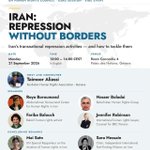
Taimoor Aliassi Kurdish activist chaired a meeting in UN in Geneva with UN officials, state representatives and Iranian human rights organisations on the situation in Iran. Participants warned of increasing pressure and threats by the Iranian authorities against opposition figures, human rights activists and journalists abroad.
Taimoor Aliassi retweeted

Countering #TransnationalRepression starts with supporting those at risk. #Germany has published practical guidance on how to prevent and respond to threats. If you’re affected or work with vulnerable communities, this is a good place to start🔗bmi.bund.de/EN/topics/securi…

Taimoor Aliassi retweeted

Through painstaking documentation and analysis of the security forces involved and their command structures, @amnesty has identified 87 commanders of the security forces and Ministry of Interior officials who should be criminally investigated for crimes against humanity.
