







When an agency downgrades a country or a fund, it is usually looking in the rearview mirror. By the time the announcement happens, the bad news is already old, and stock prices have usually already dropped.
Index funds and passive funds must follow the rules. If a country like Indonesia or Pakistan gets kicked out of an index, those funds must sell immediately. They do not care if the companies are actually cheap or making good money. This forced selling pushes prices down far lower than they should be.
If a government is already fixing the real issue like letting its currency float or taking an IMF loan the official downgrade often marks rock bottom. Once the forced sellers finish dumping their shares, the market usually rebounds sharply (as seen in Pakistan, Nigeria, and Egypt).
The country has currency shortages or clumsy regulations, but money can still eventually move.
The country freezes foreign accounts, seizes assets, or gets hit with total sanctions (like Russia). If you cannot legally withdraw your money, a cheap price does not matter.
Like the Zen monk who stayed calm while the village kept changing its mind, smart investors ignore the market's changing labels and focus only on whether the underlying business is sound and whether the exit doors are open.
Central banks around the world are quietly stockpiling four times as much gold as usual and are moving it out of the US, per FORTUNE
Global central bank gold demand surged to unprecedented levels starting in 2022, consistently surpassing 1,000 tonnes annually more than double the decade-long historical average and in many quarters roughly three to four times the pre-2022 purchasing pace.
Emerging market central banks most notably the People's Bank of China (PBoC), the Reserve Bank of India (RBI), the National Bank of Poland, Turkey, and Singapore have accounted for the bulk of institutional buying.
The surge in bullion accumulation alongside record gold prices caused the global value of official central bank gold reserves to eclipse their holdings of foreign-held U.S. Treasuries, a symbolic pivot away from pure dollar dependence.
Alongside buying new metal, central banks are actively reallocating custody of existing reserves, moving bullion out of foreign vaults (predominantly the Federal Reserve Bank of New York and, in some cases, the Bank of England and Bank of Canada) to bring it home or relocate it to geographically closer hubs.
According to sovereign reserve surveys, the share of central banks that store their gold reserves primarily within domestic vaults rose from approximately 41% to nearly 60%.
While the Federal Reserve Bank of New York still operates one of the largest gold depositories in the world (housing over 5,000 metric tons of foreign custodian bullion), it is no longer the automatic default for sovereign storage.
Western Europe and emerging market central banks are treating gold not as a passive trading asset kept abroad for market convenience, but as a critical sovereign insurance policy meant to be held within reach in an era of heightened geopolitical fragmentation.
First time Indian batsman running’s between wicket was giving hard time to NZ fielders
Fours (4s): 12 (48 runs)
Sixes (6s): 8 (48 runs)
Twos (2s): 9 (18 runs)
Singles (1s): 58 (58 runs)
Extras: 9 (2 lb, 4 w, 3 nb)
Total: 181 runs
Imagine standing on a busy Chennai street cars zooming past, vendors selling hot tea, and people rushing to work. You would never guess that just a few meters beneath your feet, massive steel monsters are chewing through solid rock to build the city's future.
A decade ago, when Chennai started building its first metro lines, the city had a big problem. The giant machines needed to dig underground tunnels called Tunnel Boring Machines (TBMs) could not be bought in India. They had to be imported from countries like China or Europe, packed onto massive cargo ships, and hauled across the ocean.
That all changed when a German engineering company looked at Chennai and saw huge potential. In 2007, they built a massive factory in Alinjivakkam, a quiet village just north of Chennai. By 2011, this factory was fully operational, turning the outskirts of Chennai into India’s capital for underground engineering.
When Chennai started its massive Phase 2 metro project requiring 23 giant machines to dig nearly 119 kilometers of tunnels engineers didn't have to wait months for ships to arrive. They just drove up to the Alinjivakkam factory to inspect the machines themselves.
Digging tunnels under Chennai is like trying to eat a meal that is half cotton candy and half concrete. One minute a machine is digging through soft beach sand near the coast, and the next, it is slamming into solid, unbreakable granite rock near T. Nagar. The engineers in Chennai build these 700-ton, 110-meter-long metal beasts to handle these tricky changes without disturbing the old, historic buildings standing right above them.
Every machine built in the Ponneri plant gets a proud Tamil name before heading underground. Instead of boring serial numbers, these machines are named after Tamil Nadu's majestic rivers (Kaveri, Vaigai), sacred hills (Nilgiri, Kolli), and beautiful flowers and birds (Kurinji, Flamingo).
The Chennai factory doesn't just build for Chennai. The machines built in this Tamil Nadu village are packed up and sent to power major underground projects all over India from the Mumbai Underground Metro and Delhi-Meerut high-speed rail to massive tunnel projects high up in the Himalayas.
Picture a machine like Vaigai painted bright red and white, weighing as much as a fleet of trucks. In the dead of night, she is loaded onto giant multi-axle trucks and quietly driven through the sleeping streets of Chennai.
Lowered deep into an underground shaft, she comes to life. With a spinning cutterhead, hydraulic power, and steel teeth made to crush stone, she carves out a smooth, concrete-lined tunnel inch by inch.
Above ground, life goes on as normal people drink their morning coffee and catch buses, completely unaware. Below ground, a machine made by local hands in a quiet Chennai village is quietly reshaping the future.
#Tunnel Boring Machine
ஹரிஷுக்கு வயது வெறும் இருபத்தேழு.
அவருடைய வசீகரமான பேச்சு, கேமராவுக்கு முன்னால் காட்டிய அசாத்திய தன்னம்பிக்கை, நிதிச் சந்தையின் நுணுக்கங்களை பாமரனுக்கும் புரியவைக்கும் பாங்கு—இவையெல்லாம் சேர்ந்து நான்கே ஆண்டுகளில் இன்ஸ்டாகிராமில் அவரை ஒரு சாம்ராஜ்யத்தின் அதிபதியாக்கின.
பின்தொடர்பாளர்களின் எண்ணிக்கை 13 லட்சத்தைத் தொட்டபோது, தினமும் ஆயிரக்கணக்கான இளைஞர்கள் தங்கள் உழைப்பின் பணத்தை எங்கு முதலீடு செய்ய வேண்டும் என்று அவர் வாயைத் திறக்கும் வரை காத்திருந்தார்கள். அவரிடம் NISM சான்றிதழ் இருந்தது; ஆனால், இந்திய சட்டப்படி கட்டணம் பெற்றுக்கொண்டு நிதி ஆலோசனை வழங்கத் தேவையான மிக முக்கியமான தகுதி அவரிடம் இல்லை: SEBI பதிவு.
சட்டத்தின் கண்களை மறைத்து ஓடும் இந்த ஆபத்தான விளையாட்டை அவர் சாதாரண விஷயமாக நினைத்துவிட்டார். ஆனால், ஒரு நாள் அந்தப் பெருவெடிப்பு நிகழ்ந்தது.
தொடர் புகார்களின் எதிரொலியாக, லட்சக்கணக்கான ரசிகர்களைக் கொண்ட அந்த இன்ஸ்டா கணக்கு ஒரே இரவில் செபியால் முடக்கப்பட்டது. அடுத்தடுத்து கதவைத் தட்டின செபி மற்றும் AMFI அமைப்புகளின் அதிகாரப்பூர்வ நோட்டீஸ்கள்.
வழக்கமாக ஒரு மனிதனுக்கு வருமான வரித்துறை (IT) நோட்டீஸ் வந்தாலே கை, கால்கள் நடுங்கும். ஆனால், வருமான வரித்துறை என்பது புயல் என்றால், செபி என்பது சுனாமி. முறைகேடாக ஒரு கோடி ரூபாய் சம்பாதித்தால், ஐடி துறைக்கு முப்பது சதவீதம் வரியும் அபராதமும் கட்டிவிட்டால் மீதி அறுபது லட்சம் மிஞ்சும்.
ஆனால் செபி அப்படியல்ல; அது விழித்துக்கொண்ட ஒரு ராட்சத டைனோசர். ஒருவர் சேர்த்த அத்தனை சம்பாத்தியத்தையும், அசையும் மற்றும் அசையா சொத்துகளையும் வேரோடு பிடுங்கி எறியும் 'Disgorgement' அதிகாரம் அதற்கு உண்டு.
கடந்த காலத்தில் பி.ஆர். சுந்தர் போன்ற பெரும் புள்ளிகளுக்கே பல கோடிகள் அபராதம் விதித்து அதிரவைத்த அமைப்பு அது. சம்பாதித்த பணம் மொத்தமும் பறிபோகும், கூடுதலாக கோடிக்கணக்கில் அபராதம் கட்ட வேண்டும், மீண்டும் பூஜ்ஜியத்திற்கே போய் நிற்க வேண்டும் என்ற கசப்பான உண்மை ஹரிஷின் தொண்டையை அடைத்தது.
இடி விழுந்த இந்தத் தருணத்தில், தலையில் இடிமின்னலாய் வந்து இறங்கியது ஜேசன் சாமுவேல் என்ற யூடியூபரின் புலனாய்வு வீடியோ.
மாதம் மூன்றரை லட்சம் ரூபாய் வாடகை கொடுத்து வாழ்ந்துகொண்டு, அதைத் தன் சொந்த அரண்மனை போலக் காட்டி, ஆடம்பர கார்களுடன் தான் ஒரு பெரும் கோடீஸ்வரன் என்ற மாய பிம்பத்தை ஹரிஷ் இத்தனை நாட்களாக சமூக வலைதளத்தில் எப்படி கட்டமைத்தார் என்பதை ஆதாரங்களுடன் அந்த வீடியோ வெளிச்சத்திற்கு கொண்டுவந்தது.
சில மணி நேரங்களிலேயே அந்த மாயத்திரை கிழிந்து தொங்கியது. கண்மூடித்தனமாக அவரை நம்பிய அதே 13 லட்சம் மனிதர்கள், அடுத்த நொடியே அவரை ஒரு ஏமாற்றுக்காரனாகக் கொதித்தெழுந்து வசைபாடத் தொடங்கினர்.
ஒரு பக்கம், சேர்த்த சொத்து அனைத்தையும் பறிக்கத் தயாராக நிற்கும் செபியின் சட்டக் கயிறு. இன்னொரு பக்கம், நிஜமும் முகத்திரையும் அவிழ்ந்து விழுந்ததால் உலகத்தின் முன் நிற்க முடியாத அவமானம்.
அவர் ஒன்றும் பிறவித் திருடனோ, எல்லோரையும் ஏமாற்றி ஓடிவிட வேண்டும் என்று திட்டம் போட்ட கொடூரனோ அல்ல; இளமைத் துடிப்பில், அதிவேகப் புகழும் காசும் கண்மூடித்தனமான பேராசையைக் கொடுத்துவிட்ட ஒரு சாதாரண இளைஞன்.
ஆனால், ஒரு தவறான பிம்பத்தை காப்பாற்ற நினைத்த அச்சமும், நாளை பொதுவெளியில் தலைநிமிர முடியாது என்ற அவமானமும் சேர்ந்து, செபியின் அடுத்த நடவடிக்கை வருவதற்கு முன்பே, நேற்று அவருடைய மூச்சை நிரந்தரமாக நிறுத்திவிட்டன.
சமூக வலைதளங்கள் கொடுக்கும் அதீத வேகமான போலி அங்கீகாரமும், சட்டத்தின் மீதான அலட்சியமும் இருபத்தேழு வயது இளைஞனின் ஒட்டுமொத்த வாழ்க்கையையும் இப்படித்தான் சுவடு தெரியாமல் அழித்துப் போட்டது
walmart.com/plus
Existing Sam's Club Plus Members: activate Walmart+ at no additional cost.
Walmart+ and Sam’s Club accounts to drop down to the combined $120 annual rate.
This is a massive power play by Walmart. Essentially, they are taking direct aim at Amazon Prime by merging their big-box wholesale muscle with everyday online delivery convenience.
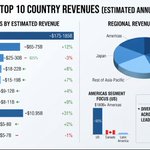
Apple revenue
USA is by far the largest market
Greater China remains critical despite volatility
India is the fastest growing major market
Top 3 account for > 70% of revenue

Anthropic is setting aside 5% of its own company stock worth roughly $50 billion into a special fund to help people whose jobs are wiped out by AI.
Think of it like a factory owner setting up a charity for local pollution victims right before taking the company public on the stock market.
Anthropic is currently valued at nearly $1 trillion. Putting 5% of its shares into this fund creates a $50 billion pool of stock. If the company's value keeps growing by 50% milestones, they plan to add another 2% of shares each time.
Once those shares are sold for cash, the money is meant to fund job retraining, nonprofits, or even direct cash payouts to workers who lose their livelihoods to AI automation.
Instead of creating a traditional charity (which has strict government rules), Anthropic set this up as a regular business entity (an LLC) that it completely controls. This allows them to hand out money however they want, though they promised not to use it for politics or lobbying.
Anthropic is getting ready to sell shares to the public on the stock market. If they wait until after they go public to give away $50 billion, regular Wall Street investors would sue them for giving away company profits. By locking this in now, new investors know the deal upfront.
Politicians and the public are getting increasingly angry and worried about AI replacing human workers.
By creating its own massive bailout fund first, Anthropic looks like the "responsible" AI company and makes it harder for lawmakers to justify hitting them with a heavy "AI robot tax."
Because Anthropic owns and controls this new fund, the company's founders likely still control the voting rights attached to that 5% chunk of stock helping them stay in charge of the company even after it goes public.
Right now, this is just a promise made out of company stock, not actual cash in the bank. They haven't explained who gets the money, how anyone applies for it, or when payouts will actually start. Plus, their current investors still have to vote to approve giving up a 5% slice of their pie.
A record 21.2% of new-car buyers now pay $1,000 or more a month, up from 19.1% a year ago, per CNBC
69% of them took loans of six years or longer to make it work.
A thousand bucks a month for six years just to sit in traffic isn't an upgrade, it's a mortgage on four wheels. When the car loses half its value before the loan even flinches, you don't own the machine; the bank owns your mileage.
Rolling yesterday's bad debt into tomorrow's shiny mistake doesn't make you successful; it makes you trapped. If showing off costs your financial freedom, the only thing you’re really driving is yourself into a corner.
Pradhama Drishtya Kuttakkar
At first sight they look guilty; by the climax, you're the one convicted of underestimating the script.
That bullet-to-ring switch is the kind of sleight of hand you only catch on a second watch, and that's what makes the payoff hit so hard.
The narco test escape takes it further, because the script outsmarts the one tool built to pull out the truth.
When a thriller can fool both the investigators and the audience at the same time, you know the writers did their homework.
At least 17 major Indian asset management companies have temporarily suspended fresh lumpsum investments, switch-ins, and new SIP or STP registrations in their Gold ETF Fund of Funds (FoFs) starting mid-October 2026.
Existing active SIPs and STPs will continue to be processed without disruption, and redemptions remain fully operational for unitholders wishing to exit.
The move follows informal regulatory guidance relayed through AMFI rather than an official public SEBI circular.
The curbs are driven by surging pre-festive retail demand ahead of Dhanteras and Diwali, which caused local physical gold to trade at elevated domestic premiums and created tracking challenges for FoFs buying underlying ETF units.
Direct trading of Gold ETFs on stock exchanges and pure Silver funds are currently unaffected, allowing investors to continue taking gold positions via demat accounts.
India has used up about half of the more than $140 billion it raised through special measures earlier this year, which points to the pressure on the rupee and the RBI's determination to reverse it.
Where the money went
Three economists estimate the RBI has deployed $75–80 billion through spot dollar sales and dollar-rupee swaps since the special measures took effect on June 8.
Economists arrived at this by taking the weekly reserve changes the RBI publishes each Friday and stripping out revaluation effects. Traders at banks handling these transactions came up with similar numbers.
This is an estimate. The RBI hasn't confirmed the figure.
The RBI announced the measures in June, after the rupee hit record lows. They included cheaper hedging and FX swap arrangements to draw in overseas currency. Most of the money came from NRI deposits (FCNR-B), which reached $132.98 billion by August 31. The total was far above the $80 billion Governor Sanjay Malhotra had expected.
Current state of reserves
Reserves fell to $734.6 billion as of October 2, about $51 billion below their peak in early September.
Import cover is 6.2 months, the lowest since 2013.
if reserves keep falling, markets could start to doubt the RBI's ability to defend the rupee, which would invite more speculation.
What's driving the pressure?
High oil prices, rising US Treasury yields, and foreign selling of Indian equities.
RBI's "second line of defence"
Nomura's October 10 note listed curbs on FX derivative transactions, a 20% foreign exchange risk reserve, and a special dollar window for three public oil marketing companies. The RBI also raised the daily minimum CRR maintenance to 99% from 90%, starting today (October 16).
The side effects
Bond yields have climbed to more than a three-year high, and with oil still high and foreign money still leaving, markets are betting the RBI will need to lean more on rate hikes. M&G's Guan Yi Low expects the RBI's resolve to hold USD/INR around 96 for now. The rupee has gained for three straight sessions and closed at 95.16.
Google launches its ‘universal’ online shopping cart ahead of the holidays. The AI shopping tool is coming to Google Search and the Gemini app first.
Products discovered while searching, browsing Google Shopping, or chatting in the Gemini app are saved into a single unified cart, organized by merchant and backed by Google Wallet.
The cart tracks historical pricing, automatically searches for applicable merchant deals or promo codes, and sends alerts for price drops or restocks.
Connected with Google Wallet, the cart identifies credit card perks and hidden points opportunities for your saved payment methods.
Tech leadership is betting that AI will eventually pay for itself through massive productivity gains, but right now, the industry is stuck in a painful transition phase where the costs are immediate and crushing, but the financial returns remain unproven.
When a leader like Sridhar Vembu who built a company of over 19,000 employees with a strong focus on sustainable growth and rural job creation—warns of a grim outlook and halts salary hikes, people rightfully pay attention.
What makes Vembu's announcement today particularly alarming is the underlying cause. The freeze on pay hikes isn't just about a standard economic downturn or a temporary dip in software demand. He explicitly cited skyrocketing AI infrastructure costs and a massive spike in server prices as the primary culprits draining the company's capital. We are watching a profound reallocation of resources across the tech sector

The business outlook for software is uncertain and AI has raised costs dramatically with a) massive 4-fold increase in server prices which we need for data centers b) AI usage increasing rapidly, leading to much higher expenses, which we are trying to control.
On top of that is the challenging geopolitical backdrop.
We have cut down on our marketing budget. We have also told our employees that we cannot have our usual pay increase this year. I have apolgized for not being able to avoid this.
We will work hard to avoid mass layoffs but the outlook for software jobs in general is grim. We have not been growing our employee count for 18 months now.
Most of our employees understand the situation. I am thankful to them.
We are in the middle of reinventing ourselves. The next 3-5 years will decide how our reinvention has worked. Please pray for us 🙏
A $100,000 salary in 2000 has the same purchasing power as $194,530 in 2026, per Yahoo Finance.
The report uses the purchasing power comparison to highlight the growing gap between our cultural perception of earning $100,000 and the realities of the modern cost of living.
Due to inflation, the lifestyle and purchasing power that a $100,000 salary provided in the year 2000 now requires approximately $194,530 in 2026.
Despite earning six figures, 64% of workers in that income bracket report that their pay now only covers basic essentials, according to a cited 2025 Harris Poll.
The report references a separate study by Empower, noting that the average salary Americans now equate with true "financial success" has shifted dramatically upward to $270,000 a year, accompanied by a target net worth of $5.3 million.
Six figures was never the finish line. It's just a nice, round number that feels like it should be.
The US introduces the Education Freedom Tax Credit.
Individuals can claim up to $1,700. Married couples filing jointly can claim a combined credit of up to $3,400, provided each spouse contributes at least $1,700 to Scholarship Granting Organizations (SGOs).
SGOs distribute the money as scholarships for K-12 education expenses. This covers private school tuition, academic tutoring, special-needs services, and required educational supplies or computers.
The rising cost of private education is arguably one of the most severe financial squeezers for the Indian middle class. Adapting an SGO-style (Scholarship Granting Organization) tax credit system for India is a compelling idea because it would shift the focus from direct government subsidies to incentivized private philanthropy, directly targeting the families who need it most.
Here is why a system like the Education Freedom Tax Credit could solve a specific structural problem in India, and how it would differ from the current setup.
India currently operates on two extremes for K-12 education:
For low-income families: The Right to Education (RTE) Act mandates that private schools reserve 25% of their seats for Economically Weaker Sections (EWS), subsidized by the government.
For high-income families: Elite private schools remain easily accessible.
The Middle Class: They do not qualify for EWS quotas, do not have access to high-quality public schools in most municipalities, and must bear the full brunt of private school tuition, which often outpaces inflation.
An SGO model would perfectly target this "missing middle" by allowing scholarships to be income-capped at middle-class brackets, providing relief to families who fall through the cracks of current welfare programs.
Unlike the US, India has a very narrow individual income tax base (only a single-digit percentage of citizens pay direct income tax). To fund SGOs effectively, India could allow corporations to channel their mandatory 2% CSR spending into verified SGOs in exchange for enhanced operational tax credits.
Currently, individuals donating to educational NGOs receive a tax deduction (usually 50%) under Section 80G. If the government upgraded this to a 100% nonrefundable tax credit specifically for middle-class scholarship funds, it would trigger a massive wave of high-net-worth individual (HNI) philanthropy.
The government would need to authorize independent, highly audited trusts to act as SGOs. These trusts would pool the tax-credited donations and distribute them as K-12 vouchers specifically to middle-class families, allowing parents to choose the private school that best fits their child's needs.
By decentralizing the funding mechanism, the government wouldn't have to build new schools or aggressively cap private fees. Instead, they would essentially crowd-source middle-class financial aid from wealthy taxpayers and corporations.