

ttrpg gm. tinkerer. overthinker. ex-teacher. ux developer. decent magician. frustrated creative. working class. maybe autistic. lazy goth. he/him.
Joined November 2015
- Tweets4.3K
- Following43
- Followers102
- Likes2.9K


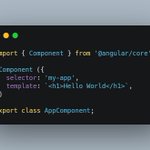




The issue with this #OneDnD Nat 20 rule isn’t that it proves a flat 5% chance to succeed at any roll.
The issue is that D&D does such a bad job of teaching when a roll is necessary or not, so concerns about this Nat20 rule are based on faulty practise.
This thread sums up almost all of my issues with what has thus far been revealed about #OneDnD
This Post is from an account that no longer exists. Learn more
I now know how all the 3.5e diehards felt in 2013/14.
For me, #OneDnD is a move towards a version of D&D I don’t care for. It’s a camel. Designed by committee solely to be broadly popular and profitable, rather than serving any creative vision. That’s not bad, just not for me.

Since following the TTRPG and D&D topics on Twitter, I think I’ve ended up muting about 90% of their contributors.
You’re all a bit much.
the ghost with the most retweeted

France has just frozen gas prices for 365 days of 2022.
Norway has said the state will cover 90% of households’ extra electricity charges.
In the UK there is a 200% + increase in bills and a state contribution of under 14%.
It’s rip off UK.

Being a software engineer has taught me one universal truth:
Most software is built by people who had no idea what they were doing at the time.
The urge to bin off all existing projects to write something with that 1960s maximalist / Cold War / MKUltra / nuclear missile silo on a paradise island vibe.
And whatever reason, a talking grizzly bear wearing a bowler hat.
At that point in the development of Ragtag - my space opera homebrew #TTRPG - where the player facing rules are finished and now I have to start on the GM facing stuff; how to run the game, gameplay structure, etc etc and oh boy I am not looking forward to it.


It’s only a #ttrpg campaign if it comes from the Campaign region of France. Otherwise, it’s just a sparkling adventure arc.
Work culture has reached a point where just doing your job and setting reasonable boundaries to protect your well-being is seen as a revolutionary idea.
If your employer makes you feel like you have to overwork, you’re not hustling or climbing the ladder. You’re being exploited.

What does quiet quitting look like in practice?
It might be saying no to projects that aren’t part of your job description, leaving work on time, or refusing to answer emails and Slack messages outside of your working hours.
It could be as simple as a mindset shift.

ALT man looking stressed at work in front of a computer (Picture: Getty/Metro.co.uk)
Something the baffles me:
House buying and mortgages are big, complicated, expensive, stressful things that involve (at best) half a dozen different people all with different responsibilities: brokers, agents, solicitors, and the people buying / selling… 🧵
This week, I’ve had to tell three different parties the same thing, and each one came back asking me to follow up with the others to clarify stuff. So I become the point of failure if there’s miscommunication.
Everyone involved should know everything.