

Revolutionize compute markets through unparalleled data transparency, financial product innovation and market intelligence
New York
Joined May 2024
- Tweets169
- Following23
- Followers23K
- Likes376




Pinned Tweet
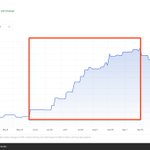
It's been a month since our last update on NVIDIA GPU residual values. H100 marched higher to 61% of purchase price past 4 years since mass availability; B200 also moved even higher to 164% at 1.6 years. An accelerated five-year schedule would have them at 6% and 33% respectively. A100 slipped a bit further from 25% to 22.5% in year 6, but still sits well above a schedule that would've written it to zero a year ago.


Silicon Data residual value show that @nvidia GPUs are retaining their value well above those implied by typical straight-line depreciation schedules!

Silicon Data retweeted

Here’s a good interview with the @carmenli , CEO of @silicondata that just dropped a few days ago, I listened to it last night. podcasts.apple.com/us/podcas…

Silicon Data retweeted
the "crunch spread"?
xitter.cf/silicondata/status/211…
Silicon Data retweeted

Really enjoyed being back on Odd Lots with @TheStalwart and @tracyalloway. Would indeed have been fun to debate perps with Terry Duffy. We clearly have different views…
Following my prediction on last year's recording that in 10 years compute will be bigger than oil, this year I revealed the name we use at DRW for the profit margin between tokens and GPUs: the crunch spread.
Oil into fuel: crack spread. Soybeans into meal and oil: crush spread. Nat gas into power: spark spread. As with those markets, futures on both the GPU hours and tokens eventually will let you trade—and hedge—the crunch.
Listen to Odd Lots on Spotify: open.spotify.com/show/1te7oS…
Listen to Odd Lots on YouTube: youtube.com/playlist?list=PL…
Listen to Odd Lots on Apple Podcasts: podcasts.apple.com/us/podcas…
Silicon Data retweeted

PSA: Effective October 15, non-tradable forward curve pricing for @silicondata Rental Indices will be disseminated via CME MDP 3.0 and CME Data Insights - Settlements and Valuations market data channels. cmegroup.com/notices/electro…

Silicon Data retweeted
Heading to Berlin next week for @NVIDIA GTC!
Excited to join the Capital Providers Panel on October 22, 3:45–4:30 PM, to discuss GPU financing, compute markets, and how pricing transparency is shaping the future of AI infrastructure.
See you in Berlin! Pin @josephcompute if you want to meet up for beers.
It's been a month since our last update on NVIDIA GPU residual values. H100 marched higher to 61% of purchase price past 4 years since mass availability; B200 also moved even higher to 164% at 1.6 years. An accelerated five-year schedule would have them at 6% and 33% respectively. A100 slipped a bit further from 25% to 22.5% in year 6, but still sits well above a schedule that would've written it to zero a year ago.
The same message we had shared a week ago seems to only have strengthened since as B200 and B300 GPU rental prices continue to rise sharply!
Also, dark mode is cool! So expect to see more of it going forward. 😄

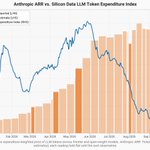
Allegedly “the most important chart” for understanding the current state of the AI economy. The model layer seems to be going through a period of commodification as non-frontier models saturate everyday use while frontier models compete fiercely. Compute layer sees massive increase in total demand for compute regardless of the source or use case.

Silicon Data retweeted

Token prices are falling, but not because providers are cutting them.
I asked @carmenli Li, CEO of @silicondata , what’s really behind the drop in AI token prices.
Her team tracks 300 open-source and open-weight models, plus closed-source models, to see what society is paying.
What they’re seeing: people shifting from premium models to cheaper ones, post the token-maxing era.
Carmen’s view:
“That’s why you see token prices dropping. Not because providers are cutting prices left and right, but because people are moving at least some of their workflows to open-source and open-weight models.”
Her caveat: Silicon Data sees tokens consumed by model, not customer use cases. But some open models are getting close enough that you may not need the smartest one for every job.
When the cheaper model is good enough, realized avarage prices fall without anyone cutting a price list.
Presented by @OxfordDataPlan - oxford-dp.com/demo
#AI #TokenPrices #OpenSource #AIInfrastructure #SiliconData #Investing #PitchThePM
xitter.cf/PitchThePM/status/2111…

@carmenli , CEO of @silicondata and @computeexchange , joins the show to explain how compute is becoming a brand-new asset class.
A former energy options market maker at DRW who later ran global data integrations at @Bloomberg , Carmen was pre-seeded by DRW founder Don Wilson to build the GPU industry benchmarks. Silicon Data is the referee "the Bloomberg for compute" while Compute Exchange is the liquidity layer where GPUs, tokens and servers change hands.
We get into why token price indexes are falling, recent token & model consumption trends, why GPU residual values are above accounting depreciation schedules, and how neoclouds, their lenders, and compute users can hedge GPU exposure to reduce business volatility.
• "The A100 has been around for six years at this point, and we still see three-year contracts signed on A100s." Residual values are still hovering above five-year straight-line depreciation.
• “we'd definitely be looking at 30 trillion of [GPU] derivatives every year."
Topics: Compute as an asset class, GPU indices, CME compute futures, GPU depreciation and useful life, neoclouds, token pricing, AI chip supply chain,
💡 This episode is presented by: @OxfordDataPlan –The Home of Alternative Data
*Not Investment Advice.
Highlights:
(0:00) Doug introduces Carmen Li, CEO of Silicon Data and Compute Exchange
(0:20) From energy options market maker at DRW to Bloomberg Data, and why AI startups' swinging GPU costs made compute an industry-wide hedging problem
(4:09) How DRW founder Don Wilson pre-seeded Silicon Data, and building products with no product or sales team
(6:10) Two sides of the coin: Silicon Data as "the Bloomberg for compute" and Compute Exchange as "the Nasdaq for compute"
(7:49) Licensing indices to CME for H100 and B200 compute futures, and four ETFs filed before the futures even trade
(10:22) What makes an index the source of truth: tracking supply-demand, resisting manipulation, staying neutral
(12:57) Normalizing 50 B200 server configurations, and what earns a premium or a discount to the benchmark
(16:04) Sizing the market: from 1–3 trillion in spot compute to a potential 30 trillion in derivatives notional
(18:13) Who hedges first: neoclouds, hyperscalers and the financiers holding GPUs on their balance sheets
(21:06) Michael Burry's depreciation bear case vs. the physical market: A100s still signing three-year contracts after six years
(22:49) Why older chips stay productive: cooling, floor weight, wait times and the second-hand market
(26:20) 300+ neoclouds and why more data sources make an index harder to manipulate
(28:48) B200s at ~$5 per GPU hour, the implied forward curve and the shift into contango
(31:18) Why an index provider can't give forward guidance, or own the assets it measures
(33:59) Token indices on the Bloomberg Terminal, and a leading indicator for AI revenue
(37:03) Why token prices are falling: workflows moving to open-source and open-weight models
(38:51) Token pricing has no transparency, and why customers will demand control
(41:49) Where to invest in the AI stack, lessons from the internet era and why "AI is a gigantic baby"
(45:03) Homegrown silicon, fab capacity and why a hundred chip designers can't create a bubble
(48:56) Why compute futures enable price discovery, not a bubble
(49:29) Running a data company and a marketplace at the same time
(52:47) Carmen's lesson for entrepreneurs: pick something you love
(54:08) The vision: the liquidity provider and the referee for every layer of the cake
Research Sponsors:
@Fiscal_ai - Delivering Modern Financial Data Infrastructure. 15% discount with code PITCH
@AlphaSenseInc Grade AI
@CarbonArcAI Infrastructure for the AI Economy
Pitch The PM Links:
📩Early episode drops episode feedback on Substack
Daily industry chatter and market color on LinkedIn
Carmen Li Links:
Carmen LI on LinkedIn:
Silicon Data: silicondata.com
Compute Exchange: compute.exchange
Silicon Data retweeted
I joined @PitchThePM to talk token prices, compute as an asset class, and why GPU residuals are beating depreciation 🎙️ youtu.be/hwYMbEAwaxQ

@carmenli , CEO of @silicondata and @computeexchange , joins the show to explain how compute is becoming a brand-new asset class.
A former energy options market maker at DRW who later ran global data integrations at @Bloomberg , Carmen was pre-seeded by DRW founder Don Wilson to build the GPU industry benchmarks. Silicon Data is the referee "the Bloomberg for compute" while Compute Exchange is the liquidity layer where GPUs, tokens and servers change hands.
We get into why token price indexes are falling, recent token & model consumption trends, why GPU residual values are above accounting depreciation schedules, and how neoclouds, their lenders, and compute users can hedge GPU exposure to reduce business volatility.
• "The A100 has been around for six years at this point, and we still see three-year contracts signed on A100s." Residual values are still hovering above five-year straight-line depreciation.
• “we'd definitely be looking at 30 trillion of [GPU] derivatives every year."
Topics: Compute as an asset class, GPU indices, CME compute futures, GPU depreciation and useful life, neoclouds, token pricing, AI chip supply chain,
💡 This episode is presented by: @OxfordDataPlan –The Home of Alternative Data
*Not Investment Advice.
Highlights:
(0:00) Doug introduces Carmen Li, CEO of Silicon Data and Compute Exchange
(0:20) From energy options market maker at DRW to Bloomberg Data, and why AI startups' swinging GPU costs made compute an industry-wide hedging problem
(4:09) How DRW founder Don Wilson pre-seeded Silicon Data, and building products with no product or sales team
(6:10) Two sides of the coin: Silicon Data as "the Bloomberg for compute" and Compute Exchange as "the Nasdaq for compute"
(7:49) Licensing indices to CME for H100 and B200 compute futures, and four ETFs filed before the futures even trade
(10:22) What makes an index the source of truth: tracking supply-demand, resisting manipulation, staying neutral
(12:57) Normalizing 50 B200 server configurations, and what earns a premium or a discount to the benchmark
(16:04) Sizing the market: from 1–3 trillion in spot compute to a potential 30 trillion in derivatives notional
(18:13) Who hedges first: neoclouds, hyperscalers and the financiers holding GPUs on their balance sheets
(21:06) Michael Burry's depreciation bear case vs. the physical market: A100s still signing three-year contracts after six years
(22:49) Why older chips stay productive: cooling, floor weight, wait times and the second-hand market
(26:20) 300+ neoclouds and why more data sources make an index harder to manipulate
(28:48) B200s at ~$5 per GPU hour, the implied forward curve and the shift into contango
(31:18) Why an index provider can't give forward guidance, or own the assets it measures
(33:59) Token indices on the Bloomberg Terminal, and a leading indicator for AI revenue
(37:03) Why token prices are falling: workflows moving to open-source and open-weight models
(38:51) Token pricing has no transparency, and why customers will demand control
(41:49) Where to invest in the AI stack, lessons from the internet era and why "AI is a gigantic baby"
(45:03) Homegrown silicon, fab capacity and why a hundred chip designers can't create a bubble
(48:56) Why compute futures enable price discovery, not a bubble
(49:29) Running a data company and a marketplace at the same time
(52:47) Carmen's lesson for entrepreneurs: pick something you love
(54:08) The vision: the liquidity provider and the referee for every layer of the cake
Research Sponsors:
@Fiscal_ai - Delivering Modern Financial Data Infrastructure. 15% discount with code PITCH
@AlphaSenseInc Grade AI
@CarbonArcAI Infrastructure for the AI Economy
Pitch The PM Links:
📩Early episode drops episode feedback on Substack
Daily industry chatter and market color on LinkedIn
Carmen Li Links:
Carmen LI on LinkedIn:
Silicon Data: silicondata.com
Compute Exchange: compute.exchange
🚨Proud to announce our H100 and B200 Rental Index forward curves are now available through CME Group market data channels (MDP 3.0 and CME Data Insights).
Start planning your hedge before the first contract trades. Our Practitioner’s Guide walks through a full-year, 50-GPU H100 hedge step by step:

Now access non-tradable forward curve pricing for Silicon Data H100 & B200 Rental Indices. View forward curve valuation data for high-demand GPU compute rentals directly through our standard market data feeds. Get the details. spr.ly/6012BHKGG8


Silicon Data retweeted
@carmenli , CEO of @silicondata and @computeexchange , joins the show to explain how compute is becoming a brand-new asset class.
A former energy options market maker at DRW who later ran global data integrations at @Bloomberg , Carmen was pre-seeded by DRW founder Don Wilson to build the GPU industry benchmarks. Silicon Data is the referee "the Bloomberg for compute" while Compute Exchange is the liquidity layer where GPUs, tokens and servers change hands.
We get into why token price indexes are falling, recent token & model consumption trends, why GPU residual values are above accounting depreciation schedules, and how neoclouds, their lenders, and compute users can hedge GPU exposure to reduce business volatility.
• "The A100 has been around for six years at this point, and we still see three-year contracts signed on A100s." Residual values are still hovering above five-year straight-line depreciation.
• “we'd definitely be looking at 30 trillion of [GPU] derivatives every year."
Topics: Compute as an asset class, GPU indices, CME compute futures, GPU depreciation and useful life, neoclouds, token pricing, AI chip supply chain,
💡 This episode is presented by: @OxfordDataPlan –The Home of Alternative Data
*Not Investment Advice.
Highlights:
(0:00) Doug introduces Carmen Li, CEO of Silicon Data and Compute Exchange
(0:20) From energy options market maker at DRW to Bloomberg Data, and why AI startups' swinging GPU costs made compute an industry-wide hedging problem
(4:09) How DRW founder Don Wilson pre-seeded Silicon Data, and building products with no product or sales team
(6:10) Two sides of the coin: Silicon Data as "the Bloomberg for compute" and Compute Exchange as "the Nasdaq for compute"
(7:49) Licensing indices to CME for H100 and B200 compute futures, and four ETFs filed before the futures even trade
(10:22) What makes an index the source of truth: tracking supply-demand, resisting manipulation, staying neutral
(12:57) Normalizing 50 B200 server configurations, and what earns a premium or a discount to the benchmark
(16:04) Sizing the market: from 1–3 trillion in spot compute to a potential 30 trillion in derivatives notional
(18:13) Who hedges first: neoclouds, hyperscalers and the financiers holding GPUs on their balance sheets
(21:06) Michael Burry's depreciation bear case vs. the physical market: A100s still signing three-year contracts after six years
(22:49) Why older chips stay productive: cooling, floor weight, wait times and the second-hand market
(26:20) 300+ neoclouds and why more data sources make an index harder to manipulate
(28:48) B200s at ~$5 per GPU hour, the implied forward curve and the shift into contango
(31:18) Why an index provider can't give forward guidance, or own the assets it measures
(33:59) Token indices on the Bloomberg Terminal, and a leading indicator for AI revenue
(37:03) Why token prices are falling: workflows moving to open-source and open-weight models
(38:51) Token pricing has no transparency, and why customers will demand control
(41:49) Where to invest in the AI stack, lessons from the internet era and why "AI is a gigantic baby"
(45:03) Homegrown silicon, fab capacity and why a hundred chip designers can't create a bubble
(48:56) Why compute futures enable price discovery, not a bubble
(49:29) Running a data company and a marketplace at the same time
(52:47) Carmen's lesson for entrepreneurs: pick something you love
(54:08) The vision: the liquidity provider and the referee for every layer of the cake
Research Sponsors:
@Fiscal_ai - Delivering Modern Financial Data Infrastructure. 15% discount with code PITCH
@AlphaSenseInc Grade AI
@CarbonArcAI Infrastructure for the AI Economy
Pitch The PM Links:
📩Early episode drops episode feedback on Substack
Daily industry chatter and market color on LinkedIn
Carmen Li Links:
Carmen LI on LinkedIn:
Silicon Data: silicondata.com
Compute Exchange: compute.exchange


Silicon Data retweeted
Over a short period of time, depending on the breadth of market captured and/or data treatment, a GPU rental index could fluctuate.
Our B300 rental index rose for three months straight over the summer. Compute costs have been rising in general. Everyone and the stock market already know that.
The much more meaningful data point in our opinion is what we said in the quoted post regarding the dynamics and interplay of the model and compute markets! 😊

Allegedly “the most important chart” for understanding the current state of the AI economy. The model layer seems to be going through a period of commodification as non-frontier models saturate everyday use while frontier models compete fiercely. Compute layer sees massive increase in total demand for compute regardless of the source or use case.
Silicon Data retweeted
Thank you @FT for citing four of @silicondata token indices.
The falling unit costs can actually lead to more total consumption — especially as AI agents move from answering individual prompts to running long, compute-intensive workflows.
It's exciting to see these datasets increasingly become part of the conversation around how the AI economy actually works. ft.com/content/3effd703-591f…


Silicon Data retweeted
Looking forward to it!

Given all the jitters about AI spending, Coreweave etc. Very fortuitous timing to be talking with @drwconvexity -- someone at the forefront of the compute trading industry -- TONIGHT at Odd Lots live in Chicago.


