
Founder - Rugby Warfare - Turtle Method - ParrotPal - Jitsai
London / Wales
Joined May 2009
- Tweets12.5K
- Following1.2K
- Followers1.1K
- Likes9K
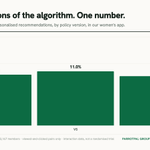




We ship personalised nudges in one of our apps. Three versions of the algorithm, built at different times by different people.
Click rate: 10.3%, then 11.0%, then 10.0%. Across 1,146,044 decisions and 53,167 members.
Three independent attempts converging on the same number is not a fact about the algorithm. It is a fact about the people receiving it.

UK is cooked

BREAKING: the UK government publishes official rules on how to use AI:
1. Ask first if you really need to use AI
2. Check if a spreadsheet can do the job before using AI
3. Choose the worst model possible so it uses less energy
4. Keep prompts short to reduce the environmental impact
5. In general, use AI only when necessary, as a climate-saving measure
With a mindset like this, we should accept the UK back into the European Union

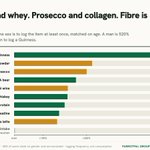
41 million food logs, men against women:
Guinness — men 520% more likely to log it
Collagen — women 290% more likely
Prosecco — women 270%
IPA — men 220%
Rosé — women 200%
Whiskey — men 190%
Creatine — men 160%
Matcha latte — women 160%
Fibre intake: 20.0g and 20.2g.
Whatever else divides the sexes, fibre doesn't.

New website looking cool!
Check it out have a browse: scottflear.com
Can’t remember where I got this inspo from. Somewhere on X!
Claude Opus 5.5 is unbelivable
Improved my weekly review flow for my BJJ app and then made a sleek video with @HyperFrames_ in less than 5 minutes to show it off.
Back in the day you'd be messing around with screen record, screen studio, dragging a video into a iphone frame on Canva and trying to make it look decent.
Opus 5.5 is top for me > fable + Astra right now. Proper workhorse too. 18% credits used from absolutely hammering it
Britain and America log almost identical calories: 1,887 and 1,877 a day.
Then the diaries diverge completely.
Four of America's top ten diary brands are protein companies. Britain has one, and five supermarkets.
The American diary is a protein aisle with a grocery store attached. The British one is a supermarket with a protein shelf.

Would love to see more examples like this.
In our data it shows less chocolate eaten but fast food same.
Is there an update in protein powder sales?
Are club-card holders on GLP1 spending less money now?
Has McDs seen a difference in food choices?
Have clothing retailers seen a increase in sales due to new sizes needing to be bought?

Same company, same questions, two apps.
In the one where you pick food from a database, 71% of logs carry a brand name.
In the one where you just talk to an AI, 11%.
Same diets. Different instrument.
Most "insights" about what people eat are really insights about how people were asked.

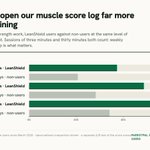
We A/B tested our muscle-protection score. People who get it log more strength training. That is a randomised result, not a correlation.
A lot of that extra training is three to five minute micro-sessions, prompted at the right moment. That is the design, not a loophole. Across a week those short sessions add up to more total volume per muscle group, and volume is what protects muscle while you lose fat.
Nobody needs a sixty-minute session. Most people will never do one. The person who does three minutes on a Tuesday is the one still training in March.
Clinical trials next. We would like this score to become an industry standard, and standards should be earned in trials, not in dashboards.

The most-logged food across our two apps is a banana.
Not a cereal. Not a brand. A banana — and it is logged 91% more often than whatever is in second place.
A century of food advertising, and the front page of the nation's food diary is a fruit bowl.

25% of the over 55s are on GLP-1s who are tracking their food.
In the next 2 years? Near 40% likely!
And these are the highest risk of frailty.
Protecting their muscle should be a priority. Luckily they have LeanShield, a tool we've built to give users insight into their muscle protection level.

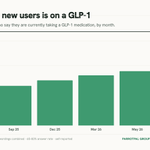
1 in 8 people who joined our apps last month is currently on a GLP-1. A year ago it was 1 in 13.
Among the over-55s: 1 in 4.
If you build anything in food or health and your roadmap doesn't mention these drugs, you're building for a market that is leaving.

Nobody told them to drink less.
People on GLP-1 medication in our data are about a quarter less likely to log any alcohol than people of the same age and sex who aren't on them.
Wine and beer both fall by name.
The drugs are prescribed for appetite. The clinical trials are now finding the same effect on craving that our diaries picked up by accident.

The most-logged food brands across our diaries are not the ones advertised on television.
Tesco. Aldi. Sainsbury's. Asda. M&S.
The first advertised brand is Cadbury, in eighth, reaching about 40% as many people as Tesco.
The shelf beat every brand on it.

Everyone is selling protein. 56% of our users log a protein product every month. That aisle is saturated.
Fibre: the median logged day is about 12g against a 25-30g guideline, and fewer than 1 in 10 people ever hit it.
If I were putting one word on a food label in 2026, it wouldn't be protein.

