Digital is powerful. Digital era is exciting!
Vilnius, Lithuania
Joined May 2009
- Tweets7.6K
- Following132
- Followers1.8K
- Likes46.8K
Ramune | Digital Marketing retweeted

Ad agosto sono stato in Lituania. Abbiamo noleggiato una macchina e girato il Paese. È stato bellissimo, ma non è questo che voglio raccontare.
Una sera, a Vilnius, una persona che era con me mi ha detto una frase: «In Italia non ci abbiamo capito niente».
Quel giorno avevamo visitato l’ex sede del KGB. Celle grandi quanto un armadio, stanze di tortura, prigioni per dissidenti e religiosi. Una stanza dove i prigionieri politici venivano giustiziati, uno dopo l’altro, e i corpi fatti sparire. Ci sono ancora i buchi dei proiettili nel muro. Nel museo, oltre ai crimini commessi dall’URSS (milioni di persone deportate, intere famiglie distrutte, oppositori perseguitati…), viene raccontata anche la storia dei partigiani lituani. Uomini e donne che combattevano e morivano per liberare il proprio Paese dall’occupazione sovietica.
E quella voglia di non finire mai più sotto il dominio russo la senti ovunque. Nei musei, nelle testimonianze delle persone, nelle condanne ai crimini che la Russia commette ancora oggi. Senti una continuità storica fortissima, come se quello che succede oggi in Ucraina fosse anche parte della loro storia.
Quella persona era rimasta in silenzio per un po’ prima di dirmi quella frase. Aveva votato comunista per gran parte della sua giovinezza. Come tanti italiani, era cresciuta pensando che il comunismo fosse l’opposto del fascismo e quindi il massimo della libertà e della giustizia. Per lei la bandiera dell’URSS rappresentava la liberazione, la resistenza, la difesa degli oppressi. E invece: «Mentre in Italia votavo comunista, qui c’erano persone che venivano imprigionate, torturate e uccise proprio da chi finanziava il partito che votavo».
Non erano cose che non si potevano sapere. Le repressioni sovietiche erano denunciate già allora. Ma l’URSS finanziava il più grande partito comunista dell’Occidente, quello italiano, ed esercitava un’enorme influenza sulla nostra vita politica e culturale. La propaganda sovietica ha lasciato un’impronta profondissima in Italia. Quella di Putin ha saputo sfruttare anche quell’eredità.
Siamo cresciuti in un Paese dove gli stessi simboli che per milioni di europei rappresentavano occupazione, deportazioni e repressione venivano esibiti come simboli di libertà. E con questa storia non abbiamo mai fatto davvero i conti.
Ancora oggi c’è chi scende in piazza con bandiere sovietiche, convinto di stare dalla parte degli oppressi. E penso a quei ragazzi e a quelle ragazze lituane, e non solo, che mentre noi celebravamo l’URSS morivano per liberarsi proprio dall’URSS. Per essere liberi.
«In Italia non ci abbiamo capito niente». E purtroppo continuiamo a non capire.


“Dear Italian students, who today take to the streets carrying flags with the hammer and sickle and wearing T-shirts emblazoned with ‘CCCP’,” began an open letter in Italian by Lithuanian expat Neringa Budryt.
“I would like to ask you a question: do you truly know what the symbols you carry represent? And do you know what would have happened to many of you had you openly demonstrated in countries living under the oppression of communist regimes?
Let me tell you something. It is easy to display a red flag when, for you, communism is merely an abstract idea of equality, social justice, and rebellion against the system. It is easy to wear a T-shirt with "CCCP" on it when you have never experienced the reality of a communist regime.
We come from that part of Europe where communism was not a T-shirt, a symbol of rebellion, or a romanticized notion of equality. It was the system in which we lived—a system we never chose.
We know the history of Soviet repression, Stalinist purges, the Gulags, and mass deportations. Above all, we know the word "Siberia"—a place to which thousands of innocent people were forcibly deported, simply for thinking differently.
In Siberia—amidst freezing cold, starvation, and forced labor—many lost their lives; those who survived carried the scars of that experience forever. Entire families were torn apart, and generations were denied the chance to live freely in their own homeland.
In the countries of the Soviet bloc, censorship, political police, surveillance, and the suppression of dissent drastically curtailed individual freedoms.
We grew up in a system where state control permeated even our daily lives. At school, we were required to wear the red necktie of the "Pioneers." We were monitored; they tracked where we went and even whether we attended church. Even faith—a choice that should belong to an individual’s own conscience—could become a cause for suspicion.
We used to celebrate Christmas with our windows blacked out, to ensure no one would see us and report us. Because it was forbidden—just like so many other things: jeans, rock music, and all the symbols of a Western lifestyle. My mother returned from a Soviet labor camp. And do you know what happened to her? She was barred from continuing her education because she had been labeled an enemy of communism.
Under a communist regime, you could not protest. You risked arrest, imprisonment, interrogation, persecution—and, in certain historical contexts, even death. In the Soviet Union and other communist regimes, political dissent could cost you your freedom and your life.
Demonstrations independent of the authorities were not a guaranteed right; they were often suppressed by force.
That is why it strikes me to see young Italians proudly displaying the hammer and sickle—symbols associated with regimes that persecuted and imprisoned millions of people.
Today, you are free to take to the streets, shout against the government, criticize institutions, and wave your flags precisely because you live in a democracy that grants you these freedoms. Under an authoritarian regime of that kind, protesting against those in power could have landed you in prison.
This is not about denying the existence of social injustices, inequalities, or the right to fight for a better world. You are free to take to the streets to demand a more just society—but you should not idealize a system that denied so many people the very things you are free to exercise today: the right to choose, to believe, to speak, and to dissent. Before wearing a T-shirt with "CCCP" on it, listen to those who experienced that world. Talk to the deportees and their descendants; read the accounts of those who endured the gulags and forced exile to Siberia. Learn what it meant to be stripped of your freedom, your home, your loved ones—and even any prospect of a normal life—simply because of your background or your beliefs.
Before waving the hammer and sickle, please, study history thoroughly.”

Ramune | Digital Marketing retweeted

Jakim cudem zapomnieliśmy, że Rzeczpospolita była również litewska?
To wręcz nieprawdopodobne, jak bardzo Litwa zniknęła z naszej pamięci historycznej.
Mówimy o Rzeczypospolitej Obojga Narodów, ale wyobrażamy sobie przede wszystkim Polskę. Polskich królów, polską szlachtę, polską kulturę, polskie wojny i polskie zwycięstwa. Litwa pojawia się gdzieś na marginesie, jako młodszy partner, który pewnego dnia przyłączył się do Polski i stopniowo się w niej rozpłynął.
Litwa nie była niewielkim państewkiem, które Polska łaskawie przyjęła pod swoją opiekę. Przed unią lubelską Wielkie Księstwo Litewskie należało do największych organizmów politycznych Europy. Giedymin, Olgierd i Witold prowadzili własną politykę imperialną, walczyli z zakonem krzyżackim, Moskwą i Tatarami, budowali potęgę, z którą musieli liczyć się sąsiedzi.
Warto tutaj rozprawić się z pewnym absurdalnym nieporozumieniem. Dzisiejsza Litwa obejmuje znaczną część historycznej Żmudzi i etnicznej Litwy, czyli ziem zamieszkanych przez bałtyckich Litwinów, z których wyrosło Wielkie Księstwo. Jego pierwotnym ośrodkiem była przede wszystkim Auksztota, a Żmudź stanowiła odrębny region, stopniowo integrowany z państwem. Litwini potem stworzyli własne państwo, do którego włączyli Rusinów, przejmując następnie wiele elementów ich kultury, języka i administracji. Wielkie Księstwo było państwem wieloetnicznym.
Niektórzy próbują dziś przedstawiać dawną Litwę jako państwo zasadniczo ruskie, niemające wiele wspólnego ze współczesnymi Litwinami. Ale według tej samej logiki należałoby odmówić dzisiejszym Polakom związku z historią dawnej Polski, ponieważ historyczna szlachta też zaginęła. Czy z tego powodu współczesny Polak nie może uważać Rzeczypospolitej szlacheckiej za część własnej historii? Oczywiście, że może. Ciągłość historyczna narodu nie wymaga niezmienności jego struktury społecznej, granic ani kultury.
A teraz spójrzmy na historię militarną. Ilu Polaków zdaje sobie sprawę, że część zwycięstw, które bez zastanowienia przypisujemy po prostu Polsce, była dziełem wojsk litewskich? W 1514 roku pod Orszą Konstanty Ostrogski, hetman wielki litewski, dowodził połączonymi siłami litewskimi i polskimi, które rozgromiły armię moskiewską. W 1564 roku nad Ułą wojska Wielkiego Księstwa pod dowództwem Mikołaja Radziwiłła Rudego odniosły kolejne zwycięstwo nad Moskwą. To nie były jakieś drugorzędne epizody. To były wielkie sukcesy militarne państwa litewskiego i jego dowódców.
A Jan Karol Chodkiewicz? Jeden z najwybitniejszych wodzów w całej historii Rzeczypospolitej był hetmanem litewskim. W 1605 roku pod Kircholmem, dowodząc armią liczącą niespełna cztery tysiące żołnierzy, rozbił około trzykrotnie liczniejsze wojska szwedzkie króla Karola IX. Było to jedno z najbardziej spektakularnych zwycięstw kawalerii w nowożytnej Europie. I chociaż w polskiej pamięci historycznej Kircholm funkcjonuje jako triumf Rzeczypospolitej, jego głównym bohaterem był dowódca Wielkiego Księstwa Litewskiego, a zasadniczy trzon zwycięskiej armii stanowiły wojska litewskie. Podobnie Chodkiewicz prowadził wieloletnie kampanie w Inflantach, broniąc północnych interesów wspólnego państwa.
Warto zresztą pamiętać, że Litwa miała własną tradycję wojskową, własnych hetmanów i własne interesy strategiczne. Jej magnaci potrafili wystawiać prywatne oddziały, finansować kampanie i prowadzić działania wojenne na ogromnych obszarach wschodniej Europy. Radziwiłłowie, Chodkiewiczowie i Sapiehowie byli nie tylko wielkimi właścicielami ziemskimi, ale również politykami i dowódcami, których działalność kształtowała losy całej Rzeczypospolitej. A przecież byli to ludzie reprezentujący litewską tradycję państwową, nawet jeżeli posługiwali się polszczyzną i uczestniczyli we wspólnej kulturze politycznej.
Właśnie ta kwestia języka dodatkowo zaciemnia nasze wyobrażenie o przeszłości. Litewskie elity stopniowo przyjmowały język polski, ale nie oznaczało to automatycznie porzucenia litewskiej tożsamości politycznej. Można było mówić po polsku, pisać po polsku, uważać się za członka wspólnego narodu politycznego Rzeczypospolitej i jednocześnie z ogromną determinacją bronić praw oraz odrębności Wielkiego Księstwa Litewskiego. Polonizacja kulturowa nie była równoznaczna z likwidacją Litwy.
Wpływ litewskiej tradycji politycznej nie skończył się nawet wraz z rozbiorami. Tadeusz Kościuszko pochodził z ziem Wielkiego Księstwa Litewskiego. Adam Mickiewicz urodził się na historycznej Litwie i rozpoczynał Pana Tadeusza słowami „Litwo! Ojczyzno moja!”. Józef Piłsudski wyrastał z tradycji szlachty litewskiej i przez znaczną część życia marzył o odbudowie związku politycznego ziem dawnej Rzeczypospolitej. Trzech ludzi zajmujących centralne miejsce w polskiej pamięci narodowej było głęboko związanych z historyczną Litwą. Ich polskość i litewskość w dawnym, historycznym znaczeniu nie musiały się wzajemnie wykluczać.
Oczywiście nie należy popadać w przeciwną skrajność i przedstawiać wszystkich mieszkańców Wielkiego Księstwa jako etnicznych Litwinów. Było to państwo Litwinów, Rusinów i innych społeczności, a jego kultura polityczna powstawała z ich wzajemnych oddziaływań. Podobnie zwycięstwa wojsk litewskich nie zawsze były zwycięstwami wyłącznie etnicznych Litwinów. Ale właśnie na tym polega istota dawnej Rzeczypospolitej: jej wspólnoty polityczne nie odpowiadały dzisiejszym kategoriom narodowym. Nie możemy mechanicznie przenosić współczesnych podziałów na rzeczywistość sprzed pięciuset lat.
Być może najwyższy czas przestać traktować Litwę jako przypis do historii Polski. Bo kiedy opowiadamy historię Rzeczypospolitej, pomijając jej litewską połowę, nie tylko odbieramy Litwinom należne im miejsce. Przede wszystkim sami pozbawiamy się zrozumienia własnej historii.

Ramune | Digital Marketing retweeted
The Polish-Lithuanian Commonwealth was the most peaceful and human empire in the history of mankind.
No colonies. No transatlantic slave trade. No Inquisition. While Spain burned people alive and Britain shipped Africans across the ocean, the Commonwealth gave religious freedom to Jews, Protestants, and Orthodox Christians when the rest of Europe was drowning in blood.
The Warsaw Confederation of fifteen seventy-three was the first law in European history guaranteeing freedom of conscience.
It elected its kings. It had the largest parliament on the continent.
It was the first to abolish capital punishment for witchcraft in sixteen forty-eight — a century before most of Europe.
And unlike every other empire, it never fought a war of aggression. No invasions for conquest. Every conflict it entered was defensive.
It also developed Ukraine and Belarus economically — turned the wild steppe into farmland, built cities, trade routes, and institutions where before there was nothing but frontier.
It wasn't perfect. Nothing human is. But compared to every empire that came before or after, it was the closest thing mankind has ever built to a civilization that chose tolerance over terror.


Ramune | Digital Marketing retweeted

The fact that Fedorov wouldn't be demanding elections if he had been reinstated as Defense Minister proves this isn't about democracy.
He seems to be pushing for wartime elections purely to serve his own career, not the country


Ramune | Digital Marketing retweeted

In 2026, Lithuania’s 🇱🇹 level of development has reached around 80% of Western Europe’s - by this measure, we have never been closer.
After the collapse of the Polish–Lithuanian Commonwealth, Lithuania’s economic gap with the West widened for almost 200 years. Under the Russian Empire, we missed two industrial revolutions, while the third largely passed us by under Soviet occupation.
Everything changed after we restored our independence. Since 1995, Lithuania has been growing significantly faster than Western Europe.
In just 30 years, we have closed most of a gap that had been widening for nearly two centuries!📈
S: IG 🎬 Adomas Klimantas
Ramune | Digital Marketing retweeted

A millionaire told me “The Empty Boat Theory”
And I never looked at people the same away again:
Ramune | Digital Marketing retweeted

if a toddler puts a sticker on you, that’s a sign of great respect in their culture
Ramune | Digital Marketing retweeted
It’s like Christmas… but PINK! Just one month to go until Vilnius turns pink again!
📅 May 29–31, 2026 - it’s now a full three-day festival, not just a one-day thing!
It all started in 2023, when Go Vilnius tried something simple but smart: turn a local dish into a city-wide experience - the kind that puts Vilnius on the map, like Oktoberfest does for Munich🍺..but->
The growth has been insane:
-2023: ~15K people in a single day;
- 2024: 30K+ visitors and global shoutouts from BBC and The Guardian;
- 2025: Expanded into a full weekend with concerts and sports;
- 2026: Basically the official-unofficial start of summer in Lithuania!
At its core, it’s all built around one thing - our iconic, vibrant, and legendary pink soup: Šaltibarščiai 🍛
🎬 karolis.earth /IG
Ramune | Digital Marketing retweeted
Lithuania 🇱🇹 was the first country in the EU 🇪🇺 to just shut off Russian gas by choice and go fully energy independent from Russia.
Back in 2014, the LNG terminal “Independence” in Klaipėda made it possible to buy gas from all over the world, from the US to Norway, bypassing Gazprom altogether.
Ramune | Digital Marketing retweeted

This tissue box design made it look so elegant
xitter.cf/fluxfolio_/status/2036…
Ramune | Digital Marketing retweeted

I was born in occupied Lithuania; grew up in poor, 90s Lithuania, with lots of political fragility, where everything needed to be restructured from scratch; matured in an EU & NATO member state, Lithuania, with unprecedented economic growth and opportunities that none of the previous generations had. It’s no wonder we score well on many optimism charts.
The world might be changing, but the inherent resistance to things that just don’t make sense is here to stay. Hopefully, the political acumen that gave us everything that we have today is here to stay too.
And thank you to all Europeans and Americans who helped us in the past.
Su Kovo 11! 🇱🇹🇱🇹🇱🇹
(Photo: Romualdas Jurgaitis
Lietuvos Respublikos Seimo archyvas. VI-030-104)

Ramune | Digital Marketing retweeted

March 11, 1990 🇱🇹
Lithuania broke the wall first.
What started in Vilnius triggered a domino effect across the soviet empire.
After Lithuania followed:
🇪🇪 Estonia
🇱🇻 Latvia
🇬🇪 Georgia
🇦🇲 Armenia
🇺🇦 Ukraine
🇲🇩 Moldova
🇦🇿 Azerbaijan
🇰🇿 Kazakhstan
🇺🇿 Uzbekistan
🇹🇯 Tajikistan
🇰🇬 Kyrgyzstan
🇹🇲 Turkmenistan – at Vilnius, Lithuania

ALT The Presidium of the Supreme Council of the Republic of Lithuania after the adoption of the Act of the Re-Establishment of Independence
Ramune | Digital Marketing retweeted
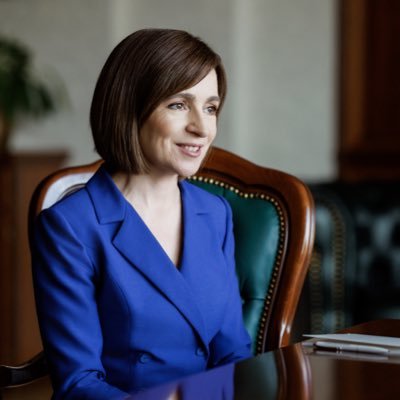
In May 1990, Moldova — still part of the Soviet Union — was the first country to recognise Lithuania’s independence.
We weren’t free. But we knew freedom when we saw it.
36 years later, I stood in Vilnius and said: you showed us it’s possible. Now help us follow your path.


Ramune | Digital Marketing retweeted

Jobs are stressful. So is unemployment. Not finding a partner is stressful. So is having one. Working in an office is stressful. So is working with your hands. Having 50 clients is stressful. So is having none. Life is full of trade-offs. Don’t romanticise options you don’t know.