


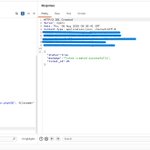
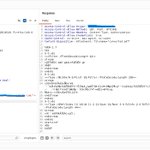


🔥 Found a CSTI → XSS chain!
This wasn’t a simple reflected-input case. The injection point was buried in the search history functionality.
After tracing how the search value was processed I found that a client-side template was evaluating the input instead of treating it as plain text. From there, I was able to chain the CSTI into JavaScript execution / XSS.
Interesting finding because the vulnerable flow was hiding in an unexpected place... 😄
CSTI → XSS ...
This was found on a VDP and I reported it responsibly... 🛡️
#BugBounty #CSTI #XSS #WebSecurity #infosec

Thought I was hunting LFI… Ended up finding SQLi 🔥
Found an /api/ endpoint → tested LFI → nothing.
Then I noticed valid PHP files returned 200, so I switched to FFUF and discovered data.php.
Verbose errors exposed an interesting parameter.
Tested it → SQL error.
Followed the error trail → SQLi confirmed.
The impact was real: I was able to access sensitive data from the database.
LFI → FFUF → error disclosure → parameter discovery → SQLi.
Reported responsibly 🛡️
#BugBounty #SQLi #WebSecurity #infosec

Found HTTP Request Smuggling on a target today 🔍
Server accepts both Content-Length and Transfer-Encoding: chunked simultaneously — confirmed the desync. The problem ? The smuggled response comes back in the same stream (self-smuggling), so no cross-user impact demonstrated yet.
Still a real misconfiguration worth reporting. Disclosed responsibly 🛡️
#infosec #bugbounty #HTTPSmuggling #websecurity

Root Vuln retweeted

From File Upload to Remote Code Execution: How I Bypassed MIME Type Validation — by RootVuln
rootvuln.medium.com/from-fil…
Join us on Telegram:
t.me/bugbountywizard
#bugbounty #bugbountytips #bugbountytip

I just published. From File Upload to Remote Code Execution: How I Bypassed MIME Type Validation
medium.com/@rootvuln/from-fi…
First confirmed RCE 🚨
Chained a file upload validation bypass into actual remote code execution on a real target. The endpoint was rejecting PHP files by MIME type — bypassed it by spoofing an allowed Content-Type and using a null-byte filename trick. Uploaded, accessed the file, got code execution.
Reported responsibly.🛡️
#infosec #bugbounty #RCE #ethicalhacking #websecurity


Found SSRF on an API endpoint that converts HTML to PDF. Uploaded HTML with an external stylesheet link, and the server actually fetched it — confirmed via OOB callback. Also tied to a known CVE in the outdated library it's using. Reported responsibly 🛡️
#infosec #bugbounty #SSRF


Testing an API parameter for SQLi and got some interesting results--time-based delays scaling with injected sleep values, plus a boolean true/false differential in the response.Not 100% sure this confirms SQLi or if there's another explanation. Thoughts? Screenshots below 🧵
#bug


Small win from today's bug hunting session ✨.
Found a Host Header Injection where the application trusts the X-Forwarded-Host header and reflects it in the Location response header.
I wasn't able to escalate it beyond a redirect
#AppSec #WebSecurity #Pentesting #bugbounty #bug

Found my first Reflected XSS today 🎯
It blocked all the generic tags like <script>, <svg>, <img> — so I tried onmouseover instead and it worked 😄
Reported responsibly, fix pending.
#XSS #bugbounty #infosec

Found my first Reflected XSS today 🎯
It blocked all the generic tags like <script>, <svg>, <img> — so I tried onmouseover instead and it worked 😄
Reported responsibly, fix pending.
#XSS #bugbounty #infosec

If you're learning bug bounty, don’t miss this write-up on HubSpot Full Account Takeover.
Shows how deep testing of auth flows can lead to critical findings.
Great learning resource 👇
infosecwriteups.com/hubspot-…
Found an info disclosure via a cookie reflection in the DOM 🔍
It got marked duplicate — but that just means it’s a valid bug 🎯
Every duplicate = proof I’m improving.
On to the next one 🚀
#BugBounty #Hacking #Infosec #Learning
(I consider it as progress.)


Hey bug hunters! ✨🐞
What are some tips, tricks, or things beginners should always keep in mind while hunting?
Drop your suggestions below 👇
#BugBounty #InfoSec #AppSec
Found a 🔥 bug in a checkout flow:
App trusted client-side sid cookie
Unauthenticated attacker could load & modify other users’ carts in real-time
Full-on IDOR (CWE-639, CWE-862)
Marked “Informative” by the program 🤷♂️
But still a win — every PoC = progress 💪
#BugBounty

