



Eli 💹 retweeted

This is how I’m stepping behind Tyler “Snoop” Huntley Sunday night. 😂🤷🏾♂️
#RavensFlock





Eli 💹 retweeted

music.apple.com/us/album/thu… all platsss 💒

Eli 💹 retweeted
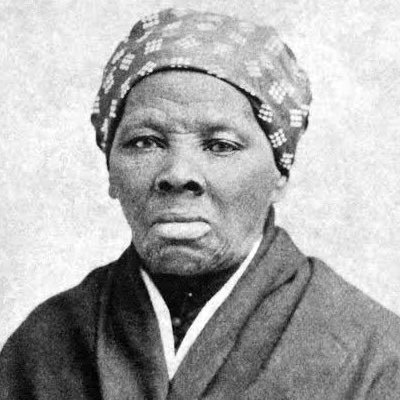
For generations, Black Americans were told that freedom and equality were fundamental American values while living under laws and institutions that repeatedly denied them both. That contradiction is one of the most important threads running through American history, from slavery and Reconstruction to Jim Crow, the Civil Rights Movement and the continuing debates over racial inequality today.
When slavery ended in 1865, nearly four million formerly enslaved people entered freedom without the land, wealth or resources that generations of forced labor had created for others. Reconstruction briefly opened new possibilities. Black men voted, held public office and helped establish public education across the South. But those gains were met with organized resistance, racial violence and eventually new laws designed to restrict Black political and economic power.
By the late 19th century, Jim Crow had transformed racial inequality into an elaborate legal structure. Black Americans could be forced into separate schools, neighborhoods and public facilities. Poll taxes, literacy tests and intimidation stripped many Black citizens of the vote. Even outside the South, discrimination in employment and housing restricted opportunities. During the 20th century, practices such as redlining and discriminatory lending made homeownership and wealth building considerably harder for many Black families.
None of these barriers disappeared simply because Americans gradually recognized them as unjust. Black communities spent generations challenging them. People organized voter-registration drives, created businesses and institutions, filed lawsuits, staged boycotts and sit-ins, marched through hostile streets and sometimes risked their lives simply to exercise rights that already existed on paper.
Those struggles changed the country. Brown v. Board of Education challenged legally segregated public schools, while the Civil Rights Act of 1964 outlawed major forms of discrimination. The Voting Rights Act of 1965 attacked barriers that had kept Black citizens from the ballot, and the Fair Housing Act of 1968 prohibited discrimination in housing.


