





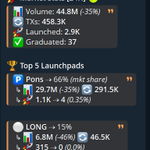


when u pair a coin w solana:So11111111111111111111111111111111111111112 no one talking about it being a flywheel




early bull market vibes brooooooooo
xitter.cf/macropaperr/status/211…

US BANK INDEX JUST DID SOMETHING FOR THE FIRST TIME SINCE 2008.
And it's a horrible sign for the markets.
KBW Nasdaq Bank Index closed this week in red, making the 6th consecutive red weekly candle.
Last time this happened was in June 2008, and here's what followed next.
- S&P 500 crashed -51% in the next 9 months, while Nasdaq crashed 48%.
- Lehman Brothers collapsed along with other major global banks
- US unemployment rate spiked above 8%.
Right now, bond yields are already at the 2008 recession levels, while the AI boom has started showing signs of crack.
Banks are already trying to offload AI debt, which would put more pressure on AI companies for their financing.
If AI financing slows down, debt refinancing will become harder, resulting in several operations being ceased, and it will aggressively drop AI companies' sky-high valuations, causing a stock market meltdown.

early bull market vibes bruh
xitter.cf/macropaperr/status/211…
🚨 IMF JUST ISSUED A TERRIFYING WARNING ABOUT THE GLOBAL ECONOMY.
Borrowing costs across the world's richest economies have surged to their highest levels in nearly 20 years.
According to the IMF, average 10-year government bond yields across G7 countries have jumped more than 1 percentage point since February.
And this is happening when global government debt is heading above 100% of world GDP by 2030.
In the U.S. alone, government interest payments could reach 5.7% of GDP by 2031, almost as much as Social Security spending.
That means governments could be forced to cut spending, raise taxes or borrow even more just to cover their interest bills.
For ordinary people, higher borrowing costs mean more expensive mortgages, car loans and business loans, while government budgets have less room for healthcare and public services.
For businesses, expensive borrowing can mean fewer investments, slower hiring and more layoffs.
For stock markets, rising bond yields can put pressure on valuations, especially for highly valued technology stocks.
Meanwhile, the oil shock is keeping inflation elevated, making it harder for central banks to cut interest rates and give struggling economies relief.
The IMF is warning about a dangerous situation where rising debt and higher interest rates keep making each other worse.
If this continues, governments, businesses, stock markets and ordinary households could all face increasing financial pressure at the same time.


If you mute all of ct it just shows you india hate, jew hate, and pornstar interviews?
tf is the point of X
it is just glowy pyop bullshit
I didn't lose any money on RH btw
I just think it was the craziest rape I've ever seen
A real evil one because so many people believed in it

