Thinking about politics, writing about policy @georgetown student
Joined May 2026
- Tweets11
- Following204
- Followers7
- Likes13
Uber & Lyft increased regional GDP by 2.9% based on this DiD of 167 metros. It's reasonable to think introducing Waymo will result in economic gains too because 1) rides are 10-20% cheaper, 2) rides are safer, 3) more rides = more foot traffic for businesses
This 2026 study is from Koling et al: nature.com/articles/s44284-0…. DC's economy is struggling much more than other major cities. JLG's instinct to protect workers is understandable but it'll come with costs for everyone else, especially consumers
Another victory for lettuce
Breaking News: President Trump’s new press secretary, Katie Zacharia, was fired after less than a week on the job, according to people familiar with the matter. nyti.ms/4yuECpZ
Another YIMIBY major-city mayor. It’s so beautiful
We can and we must build more homes for all of us.

ALT We will work to stabilize DC's housing market, preserve the affordable housing we already have, and address rent nonpayment while protecting tenants. We must because DC is facing real economic challenges. But we need to create the foundation for ambitious growth. Here’s how →

ALT Legalize high-density, mixed-use buildings near Metrorail and bus stops and on publicly-owned land. Legalize small apartment buildings citywide so Washingtonians have more choices and more opportunities in more neighborhoods. End parking requirements citywide, and encourage minimal parking be built in developments near Metro stations.
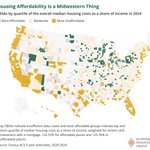
The Midwest has the most affordable housing markets. Coastal states have the most unaffordable. While income/demand plays some part, the clear deciding factor on affordability is whether a place has built enough housing. New from me during my time at @InnovateEconomy below
An entire manufactured home can now be built 1) in a week, 2) at half the cost per sq ft than a traditional home, 3) and with all the modern appliances and aesthetics.
I talked to home building innovators about how far we’ve come in the industry 🧵:
The biggest challenge now is still local land use regulations and building codes. They’re too different and too restrictive. There may also be workforce challenges as people are used to building traditional homes and not as familiar with putting manufactured homes together