

Non-custodial crypto payments for merchants. Accept Bitcoin, ETH, USDT, Solana directly into your wallet. WooCommerce · WHMCS · API. 0.5% fee.
Joined November 2020
- Tweets752
- Following226
- Followers1.3K
- Likes872






Pinned Tweet
Introducing Paymento Embedded Wallets.
Crypto checkout without wallet connection.
Customers can now pay on supported networks by simply scanning a QR code or copying a payment address from any wallet or exchange.
✓ No wallet connection
✓ Unique payment addresses
✓ Non-custodial architecture
✓ Passkey-authorized settlement
✓ Built on @turnkeyhq
Paymento handles the checkout, payment attribution, blockchain monitoring and settlement infrastructure while merchants remain in control of their funds.
Learn more: paymento.io/embedded-wallet-…
See it in action ↓

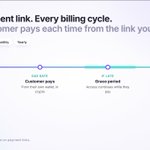
Charging monthly for a membership or a service? A Paymento payment link can repeat weekly, monthly or yearly.
Before each due date your customer gets a reminder email with the link and pays in crypto. A grace period covers them if they're a few days late.

If a platform closes your account, what happens to your balance?
Even with a Paymento embedded wallet, you can export the wallet and leave with your keys. Your funds were never ours to hold.

[1/5] Accepting crypto doesn't have to start with an integration project. There are three ways in, and the right one depends on how you already sell.

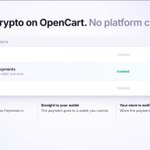
Running an OpenCart store? You can accept crypto without changing platforms.
Paymento's OpenCart module adds crypto at checkout. Customers pay on Paymento's hosted page, the payment goes straight to your own wallet, and your store is notified when it confirms.

A crypto payment can't be pulled back by a bank. You can still give it back.
Refund from the order on Paymento: sign it with your passkey while funds are in your store wallet, or send it from your own wallet and we verify it on-chain and record it. Full or partial.

Your customers don't need a Paymento account to pay you. No sign-up, no login.
They open your checkout, pay from the wallet they already use, and the payment goes straight to your wallet.


Some of your churn isn't customers leaving. It's renewals failing on cross-border cards, from subscribers who never meant to go.
Give them a second way to pay: a Paymento payment link for the renewal, paid in USDC straight to your own wallet.

"My customers would have to connect a wallet." Not with a Paymento embedded wallet store.
On supported networks, the customer scans a QR code or copies an address and pays from any wallet or exchange they already use. Nothing to connect.

Freelancers paid from abroad often lose twice: a platform fee, then a conversion spread that's rarely shown as a line item.
Send a Paymento payment link and the client pays in USDC, straight to your own wallet. You decide when, or whether, to convert.
paymento.io/payment-link/

