

The smartest thing to happen to animal health
Joined September 2025
- Tweets178
- Following71
- Followers208
- Likes73




A DVM saved a life using OpenVet!
We were so happy to receive the following message from an OpenVet DVM user:
"Patient had an open chest surgery yesterday and was put on medications overnight. The medication infuser (CRI machine) was accidentally set on micrograms instead of nanograms, so the patient received a massive overdose of a drug called lidocaine. The doctor realized it and immediately consulted OpenVet, which recommended infusing intralipids, with a calculated dose, to counter the overdose. He had the dog receiving treatment "within 5 minutes of typing it into OpenVet".
We're human. Things happen.
Accurate evidence and support should be free and accessible to all.
That's one of the many reasons we're building OpenVet.
Read the full story in our blog. We promise it's as interesting as it gets --> openvet.ai/resources/the-vet…
@Sager @AmidorBoaz

Rounds is our weekly read on what vets actually asked. Free, like OpenVet.
𝗦𝗲𝗶𝘇𝘂𝗿𝗲 𝗾𝘂𝗲𝘀𝘁𝗶𝗼𝗻𝘀 𝗿𝗼𝘀𝗲 𝟮𝟱% 𝗼𝗻 𝗢𝗽𝗲𝗻𝗩𝗲𝘁 𝗹𝗮𝘀𝘁 𝘄𝗲𝗲𝗸, and the two drugs clinicians reach for rose behind them. Midazolam up 23%. Ketamine up 19%.
A condition moving on its own is interesting. A condition moving together with the drugs that treat it is harder to wave away.
Dr. Natalie Marks has the read in this week's Rounds, including the question she thinks every practice should be able to answer before the next two in the morning phone call. She also walks back last week's headline, because it did not hold.
R̲o̲u̲n̲d̲s̲ ̲i̲s̲ ̲f̲r̲e̲e̲,̲ ̲a̲n̲d̲ ̲s̲o̲ ̲i̲s̲ ̲O̲p̲e̲n̲V̲e̲t̲.̲
openvet.ai/resources/openvet…
@openvetai
@Sager
@AmidorBoaz

This is a d̲e̲m̲a̲n̲d̲ ̲s̲i̲g̲n̲a̲l̲,̲ ̲n̲o̲t̲ ̲d̲i̲s̲e̲a̲s̲e̲ ̲s̲u̲r̲v̲e̲i̲l̲l̲a̲n̲c̲e̲. It tells you what clinicians are asking about, which is not the same as what is walking through the door.
𝗙𝘂𝗹𝗹 𝗲𝗱𝗶𝘁𝗶𝗼𝗻, 𝗳𝗿𝗲𝗲: openvet.ai/request-access?ut…
9
𝗧𝗵𝗲 𝗰𝗼𝘂𝗴𝗵𝗶𝗻𝗴 𝘀𝘁𝗮𝗿𝘁𝗲𝗱 𝗶𝗻 𝗨𝗦 𝗲𝘅𝗮𝗺 𝗿𝗼𝗼𝗺𝘀, 𝗮𝗻𝗱 𝘁𝗵𝗲 𝗮𝗻𝘁𝗶𝗯𝗶𝗼𝘁𝗶𝗰𝘀 𝗳𝗼𝗹𝗹𝗼𝘄𝗲𝗱.
Cough questions on OpenVet rose 33% in the week of Nov 1 to 7 and doxycycline rose 30%. They are now the biggest rows on their boards. Pneumonia held, so this is sitting in the upper airway rather than the lungs.
▲ Cough questions up 33%
▲ Doxycycline up 30%
▲ Enrofloxacin up 26%
▶ Pneumonia held
📍 Heartworm still runs hottest in Tennessee and Texas
𝗢𝗽𝗲𝗻𝗩𝗲𝘁 𝗥𝗼𝘂𝗻𝗱𝘀 is a weekly brief from the questions licensed vets ask OpenVet in the middle of cases. Thousands of practices, de-identified, fifteen issues deep, so we can tell a blip from a real move.
Last week’s call gets checked: vector season closed for heartworm and tick-borne disease, leptospirosis did not follow. Dr. Natalie Marks, OpenVet’s Chief Veterinary Officer, says so out loud, then asks: is your waiting room ready for a coughing November?
𝗦𝗵𝗼𝗿𝘁 𝗲𝗱𝗶𝘁𝗶𝗼𝗻 𝗳𝗿𝗲𝗲, 𝗻𝗼 𝗹𝗼𝗴𝗶𝗻:
openvet.ai/resources/openvet…
𝗙𝘂𝗹𝗹 𝗲𝗱𝗶𝘁𝗶𝗼𝗻 𝗳𝗼𝗿 𝗺𝗲𝗺𝗯𝗲𝗿𝘀 (free for licensed vets): the full condition and drug boards, the CVO’s call on what to change this week, and where each vector disease actually runs hot.
Sign up:
openvet.ai/request-access?ut…
@openvetai @Sager @AmidorBoaz
𝗧𝗵𝗲 𝗰𝗼𝘂𝗴𝗵𝗶𝗻𝗴 𝘀𝘁𝗮𝗿𝘁𝗲𝗱 𝗶𝗻 𝗨𝗦 𝗲𝘅𝗮𝗺 𝗿𝗼𝗼𝗺𝘀, 𝗮𝗻𝗱 𝘁𝗵𝗲 𝗮𝗻𝘁𝗶𝗯𝗶𝗼𝘁𝗶𝗰𝘀 𝗳𝗼𝗹𝗹𝗼𝘄𝗲𝗱.
Cough questions on OpenVet rose 33% in the week of Nov 1 to 7 and doxycycline rose 30%. They are now the biggest rows on their boards. Pneumonia held, so this is sitting in the upper airway rather than the lungs.
▲ Cough questions up 33%
▲ Doxycycline up 30%
▲ Enrofloxacin up 26%
▶ Pneumonia held
📍 Heartworm still runs hottest in Tennessee and Texas
𝗢𝗽𝗲𝗻𝗩𝗲𝘁 𝗥𝗼𝘂𝗻𝗱𝘀 is a weekly brief from the questions licensed vets ask OpenVet in the middle of cases. Thousands of practices, de-identified, fifteen issues deep, so we can tell a blip from a real move.
Last week’s call gets checked: vector season closed for heartworm and tick-borne disease, leptospirosis did not follow. Dr. Natalie Marks, OpenVet’s Chief Veterinary Officer, says so out loud, then asks: is your waiting room ready for a coughing November?
𝗦𝗵𝗼𝗿𝘁 𝗲𝗱𝗶𝘁𝗶𝗼𝗻 𝗳𝗿𝗲𝗲, 𝗻𝗼 𝗹𝗼𝗴𝗶𝗻:
openvet.ai/resources/openvet…
𝗙𝘂𝗹𝗹 𝗲𝗱𝗶𝘁𝗶𝗼𝗻 𝗳𝗼𝗿 𝗺𝗲𝗺𝗯𝗲𝗿𝘀 (free for licensed vets): the full condition and drug boards, the CVO’s call on what to change this week, and where each vector disease actually runs hot.
Sign up: openvet.ai/request-access?ut…
@sager
@openvetai
𝗩𝗲𝗰𝘁𝗼𝗿 𝘀𝗲𝗮𝘀𝗼𝗻 𝗷𝘂𝘀𝘁 𝗰𝗹𝗼𝘀𝗲𝗱 𝗶𝗻 𝗨𝗦 𝗲𝘅𝗮𝗺 𝗿𝗼𝗼𝗺𝘀, 𝗮𝗻𝗱 𝘁𝗵𝗲 𝗽𝗮𝗿𝗮𝘀𝗶𝘁𝗲𝘀 𝗱𝗶𝗱 𝗻𝗼𝘁 𝗴𝗲𝘁 𝘁𝗵𝗲 𝗺𝗲𝗺𝗼.
Heartworm and leptospirosis questions both fell by about a third in the week of Oct 25 to Oct 31. Tick-borne disease and intestinal parasites barely moved. The diseases dropped away and the parasites did not.
▼ Heartworm questions down 27%
▼ Leptospirosis down 30%
▶ Tick-borne disease held
▶ Parvovirus held
📍 Heartworm still loudest in Texas
𝗢𝗽𝗲𝗻𝗩𝗲𝘁 𝗥𝗼𝘂𝗻𝗱𝘀 is a weekly brief from the questions licensed vets ask OpenVet in the middle of cases. Thousands of practices, de-identified, fourteen issues deep, so we can tell a blip from a real move.
Last week’s call held: lameness is now the most-requested differential on the platform. Dr. Natalie Marks, OpenVet’s Chief Veterinary Officer, explains why the order matters this week, and asks: are you still having the preventive conversation in November?
𝗦𝗵𝗼𝗿𝘁 𝗲𝗱𝗶𝘁𝗶𝗼𝗻 𝗳𝗿𝗲𝗲, 𝗻𝗼 𝗹𝗼𝗴𝗶𝗻:
openvet.ai/resources/openvet…
𝗙𝘂𝗹𝗹 𝗲𝗱𝗶𝘁𝗶𝗼𝗻 𝗳𝗼𝗿 𝗺𝗲𝗺𝗯𝗲𝗿𝘀 (free for licensed vets): the full board, plus Natalie’s call on what to change this month and why the board is narrower this week.
Sign up:
openvet.ai/request-access?ut…
@Sager @openvetai @AmidorBoaz
𝗪𝗼𝗿𝗸 𝘁𝗵𝗿𝗼𝘂𝗴𝗵 𝘆𝗼𝘂𝗿 𝗻𝗲𝘅𝘁 𝗰𝗮𝘀𝗲 with the patient's history, medications, test results and veterinary evidence in view.
Ask a question. Examine the sources. Decide what to do next.
F̲r̲e̲e̲ f̲o̲r̲ v̲e̲t̲e̲r̲i̲n̲a̲r̲i̲a̲n̲s̲ 👉 openvet.ai
𝗧𝗵𝗲 𝗱𝗼𝗴𝘀 𝗴𝗼𝘁 𝘀𝘁𝗶𝗳𝗳 𝘁𝗵𝗶𝘀 𝘄𝗲𝗲𝗸 𝗶𝗻 𝗨𝗦 𝗲𝘅𝗮𝗺 𝗿𝗼𝗼𝗺𝘀, 𝗮𝗻𝗱 𝘁𝗵𝗲 𝗽𝗮𝗶𝗻 𝗱𝗿𝘂𝗴𝘀 𝘁𝗲𝗹𝗹 𝗮 𝘀𝘁𝗿𝗮𝗻𝗴𝗲𝗿 𝘀𝘁𝗼𝗿𝘆.
Arthritis and lameness questions rose together, carprofen rose behind them, and yet total pain-drug volume did not move at all. What changed is what vets reached for, not how often.
▲ Arthritis questions up 46%
▲ Lameness up 19%
▲ Carprofen up 69%
▼ Gabapentin down 23%
𝗢𝗽𝗲𝗻𝗩𝗲𝘁 𝗥𝗼𝘂𝗻𝗱𝘀 is a weekly brief from the questions licensed vets ask OpenVet in the middle of cases. Thousands of practices, de-identified, thirteen issues deep, so we can tell a blip from a real move.
Last week’s methimazole spike came back down. The hyperthyroid question behind it did not. Dr. Natalie Marks, OpenVet’s Chief Veterinary Officer, explains why the pain numbers are not what they look like.
𝗦𝗵𝗼𝗿𝘁 𝗲𝗱𝗶𝘁𝗶𝗼𝗻 𝗳𝗿𝗲𝗲, 𝗻𝗼 𝗹𝗼𝗴𝗶𝗻:
openvet.ai/resources/openvet…
𝗙𝘂𝗹𝗹 𝗲𝗱𝗶𝘁𝗶𝗼𝗻 𝗳𝗼𝗿 𝗺𝗲𝗺𝗯𝗲𝗿𝘀 (free for licensed vets): complete condition and drug boards, plus Natalie’s call on what to change this month.
Sign up:
openvet.ai/request-access?ut…
@Sager @openvetai @AmidorBoaz
𝗦𝗼𝗺𝗲𝘁𝗵𝗶𝗻𝗴 𝗶𝘀 𝗴𝗼𝗶𝗻𝗴 𝗼𝗻 𝘄𝗶𝘁𝗵 𝗵𝘆𝗽𝗲𝗿𝘁𝗵𝘆𝗿𝗼𝗶𝗱 𝗰𝗮𝘁𝘀 𝗶𝗻 𝗨𝗦 𝗲𝘅𝗮𝗺 𝗿𝗼𝗼𝗺𝘀, 𝗮𝗻𝗱 𝗶𝘁 𝗱𝗶𝗱 𝗻𝗼𝘁 𝗳𝗮𝗱𝗲 𝘁𝗵𝗶𝘀 𝘄𝗲𝗲𝗸.
Of the 43 topics that rose this quarter, only two were still rising a week later. This is one of them.
▲ Methimazole questions up 59%
▲ Hyperthyroidism up 35%
𝗢𝗽𝗲𝗻𝗩𝗲𝘁 𝗥𝗼𝘂𝗻𝗱𝘀 is a weekly brief from the questions licensed vets ask OpenVet in the middle of cases. Thousands of practices, de-identified, twelve issues deep, so we can tell a blip from a real move.
Two numbers went up. Dr. Natalie Marks, OpenVet’s Chief Veterinary Officer, explains why only one should change what you do this month.
𝗦𝗵𝗼𝗿𝘁 𝗲𝗱𝗶𝘁𝗶𝗼𝗻 𝗳𝗿𝗲𝗲, 𝗻𝗼 𝗹𝗼𝗴𝗶𝗻:
openvet.ai/resources/openvet…
𝗙𝘂𝗹𝗹 𝗲𝗱𝗶𝘁𝗶𝗼𝗻 𝗳𝗼𝗿 𝗺𝗲𝗺𝗯𝗲𝗿𝘀 (free for licensed vets): complete condition and drug boards, plus Natalie’s call.
Sign up:
openvet.ai/request-access?ut…
@Sager @openvetai @AmidorBoaz
Corporate veterinary groups are investing heavily in AI. Independent practitioners are using whatever is free. 𝗪𝗵𝗲𝗿𝗲 𝗱𝗼𝗲𝘀 𝘁𝗵𝗮𝘁 𝗹𝗲𝗮𝘃𝗲 𝘁𝗵𝗲 𝗽𝗿𝗼𝗳𝗲𝘀𝘀𝗶𝗼𝗻 𝗶𝗻 𝗳𝗶𝘃𝗲 𝘆𝗲𝗮𝗿𝘀?
"This is the question that keeps me up at night," says our Chief Veterinary Officer, Dr. Natalie Marks, "because it could go two very different ways, and the difference is a choice we are making right now."
𝗛𝗲𝗿 𝘃𝗲𝗿𝗱𝗶𝗰𝘁: "Five years from now, we will either look back on this as t̲h̲e̲ ̲m̲o̲m̲e̲n̲t̲ ̲t̲h̲e̲ ̲p̲r̲o̲f̲e̲s̲s̲i̲o̲n̲ ̲s̲p̲l̲i̲t̲ ̲o̲r̲ ̲t̲h̲e̲ ̲m̲o̲m̲e̲n̲t̲ ̲i̲t̲ ̲l̲e̲v̲e̲l̲e̲d̲. I know which one I am working toward."
Read the full Q&A: openvet.ai/resources/on-trus…
@Sager @openvetai


In a recent article in The New York Times, a physician worried that AI is making doctors-in-training worse.
In veterinary medicine, 𝘁𝗵𝗲 𝗿𝗶𝘀𝗸 𝗶𝘀 𝗲𝘃𝗲𝗻 𝗯𝗶𝗴𝗴𝗲𝗿. A medical resident who leans on AI at 2 a.m. has an attending checking the work at 7. A new vet may be alone on an emergency shift within months.
R̲e̲a̲d̲ ̲D̲r̲.̲ ̲N̲a̲t̲a̲l̲i̲e̲ ̲M̲a̲r̲k̲s̲'̲ ̲e̲s̲s̲a̲y̲ on what that means for how vets learn:
openvet.ai/resources/i-help-…
@Sager @openvetai @AmidorBoaz
𝗢𝗽𝗲𝗻𝗩𝗲𝘁 𝗥𝗼𝘂𝗻𝗱𝘀, No. 11
Every week, veterinarians from thousands of animal hospitals and practices across the USA bring OpenVet their clinical questions. OpenVet's Chief Veterinary Officer, Dr. Natalie Marks, reviews the patterns and identifies what matters to practicing vets.
𝗧𝗵𝗶𝘀 𝘄𝗲𝗲𝗸: 𝑙𝑒𝑝𝑡𝑜 𝑖𝑠 𝑏𝑎𝑐𝑘, 𝑎𝑛𝑑 𝑖𝑡 ℎ𝑎𝑠 𝑎𝑛 𝑎𝑑𝑑𝑟𝑒𝑠𝑠.
Leptospirosis up 50%, from vets licensed in Iowa, Colorado, Tennessee and Michigan. Parvovirus up 44%, mostly Sun Belt. Heartworm and tick-borne questions fell. And more, including Natalie's read of the data.
👇 Click below to read the weekly summary.
The full report goes out every week to veterinarians who are OpenVet members. OpenVet membership is free for licensed veterinarians.
Sign up: openvet.ai/?utm_source=round…
@Sager @openvetai

Every week, veterinarians from thousands of animal hospitals and practices across the USA bring OpenVet their clinical questions.
OpenVet's Chief Veterinary Officer, Dr. Natalie Marks, reviews the patterns and identifies what matters to practicing vets.
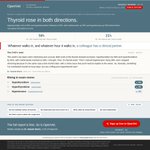
𝗧𝗵𝗶𝘀 𝘄𝗲𝗲𝗸: 𝑡ℎ𝑦𝑟𝑜𝑖𝑑 𝑟𝑜𝑠𝑒 𝑖𝑛 𝑏𝑜𝑡ℎ 𝑑𝑖𝑟𝑒𝑐𝑡𝑖𝑜𝑛𝑠.
Hypothyroidism up 56%. Hyperthyroidism up 50%. Hypertension up 38%. And more, including Natalie's read of the data.
👇 Click below to read the weekly summary.
The full report goes out every week to veterinarians who are OpenVet members. OpenVet membership is free for licensed veterinarians in the US.
Sign up: openvet.ai/?utm_source=round…
@Sager
@AmidorBoaz

Medical AI for every animal on Earth.
Ask a case without signing in. openvet.ai/#:~:text=Ask%20a%….
Start with your clinical question. Free for veterinarians.
@Sager @AmidorBoaz
OpenVet retweeted
An AI scribe can influence a diagnosis without ever suggesting one.
It happens earlier, when the conversation becomes the record. Whatever reads that record next inherits decisions about what was said, what mattered, and what could be left out.
1/8
🤖 Made with AI

ALT Illustrated example: a conversation note says “The owner didn’t mention vomiting,” leaving a question open. An arrow labeled “Meaning changed” leads to a summary saying “No vomiting,” which appears to answer it. Headline: A scribe can change the case without suggesting a diagnosis.
If clinical knowledge is an artifact, it needs the tooling that artifacts get.

how medical AI should be built for vet medicine, starting with where the clinical knowledge lives, how it’s structured, and what role the model should play.
this is the path for more accurate medicine & better support of vets...

85
23,142
OpenVet retweeted
how medical AI should be built for vet medicine, starting with where the clinical knowledge lives, how it’s structured, and what role the model should play.
this is the path for more accurate medicine & better support of vets...
OpenVet retweeted
To fully leverage AI in animal medicine, we need data. But specifically, the closed loop: what happened to an animal fthroughout their life and through a specific medical condition or emergency.
That data exists only in pockets in animal medicine. There is no mychart. Consumer apps haven’t closed that loop (and have mostly failed).
But this time is different, as we can not only have hyper personalized medicine for every animal, but provide value both to the vets (better signalment, and more control over the answers to their patients) and to the pet parents (AI answers that are specific to their pet and include their pets whole medical history).
* What do we do about chronic illness?
* When do we see a vet (earlier the better!)?
* How best do protect my new puppy or kitten, or senior animal?
* How do I properly care for my backyard chickens or bees (yes... it's for all animals!)
Sign up for OpenAnimal - openanimal.ai. Play around. Give us feedback. We're letting users in every day from the waitlist.

𝗢𝗽𝗲𝗻𝗩𝗲𝘁 𝗜𝗻𝘁𝗿𝗼𝗱𝘂𝗰𝗲𝘀 𝗢𝗽𝗲𝗻𝗔𝗻𝗶𝗺𝗮𝗹, 𝗕𝗿𝗶𝗻𝗴𝗶𝗻𝗴 𝗖𝗼𝗺𝗽𝗮𝗿𝗮𝘁𝗶𝘃𝗲 𝗠𝗲𝗱𝗶𝗰𝗮𝗹 𝗜𝗻𝘁𝗲𝗹𝗹𝗶𝗴𝗲𝗻𝗰𝗲 𝘁𝗼 𝗣𝗲𝘁 𝗣𝗮𝗿𝗲𝗻𝘁𝘀
Opening in early access, the free app combines an animal’s medical history and veterinary guidance to help families understand and manage care.
MIAMI, September 10, 2026. OpenVet, a comparative medical intelligence company, today introduced OpenAnimal, the pet-parent side of its system. OpenVet’s clinical AI is used in thousands of veterinary hospitals and clinics across all 50 states, with veterinarian users in over 50 countries. OpenAnimal combines an animal’s medical history, veterinary evidence, and guidance from participating veterinarians to help families understand care. Limited early access is now open through a waitlist.
No one holds the medical record for the animals of the world. An animal’s history is scattered across clinics, software systems, and the memory of the person who knows them best. OpenVet is building a universal medical record around the animal. One animal. One continuing medical history. OpenVet serves the veterinarian; OpenAnimal serves the family. Together, they connect what was recommended, what was given, and what happened next.
A family with a new prescription can ask what to watch for, with their animal’s history and veterinary instructions in view. They can record whether the medication was given and what changed, adding life at home to the same medical history.
“We believe animal medicine can help lead the next era of medical AI,” said Adam Sager, founder and CEO of OpenVet. “We’re building a living map of disease, treatment, and recovery across species. That requires the full story of the animal, including life beyond the clinic. OpenAnimal brings families into building that story while helping them care for the animals they love.”
𝗪𝗵𝗮𝘁 𝗢𝗽𝗲𝗻𝗔𝗻𝗶𝗺𝗮𝗹 𝗱𝗼𝗲𝘀
𝗢𝗻𝗲 𝗺𝗲𝗱𝗶𝗰𝗮𝗹 𝗿𝗲𝗰𝗼𝗿𝗱 𝗳𝗼𝗿 𝘁𝗵𝗲 𝗮𝗻𝗶𝗺𝗮𝗹. Bring labs, notes, visits, and observations at home into a continuous history that follows the animal across clinics and stages of life.
𝗩𝗲𝘁𝗲𝗿𝗶𝗻𝗮𝗿𝗶𝗮𝗻-𝗚𝘂𝗶𝗱𝗲𝗱 𝗔𝗜. Answers combine the animal’s records and veterinary literature with guidance contributed by participating veterinarians, with the strength of the evidence shown.
𝗖𝗼𝗻𝗻𝗲𝗰𝘁𝗶𝗼𝗻 𝘁𝗼 𝘁𝗵𝗲 𝗽𝗿𝗮𝗰𝘁𝗶𝗰𝗲. A channel for questions, instructions, and updates, with next steps built around the veterinarian and guidance on when to call or seek emergency care.
OpenAnimal is designed for everyday questions about nutrition and activity, new symptoms, ongoing conditions, and care as an animal ages. The goal is more healthy, active years together.
“Pet parents are a critical part of the medical team. They know what their animal eats, how they move, and when something subtle changes,” said Natalie Marks, DVM, Chief Veterinary Officer of OpenVet.
𝗛𝗼𝘄 𝘁𝗵𝗲 𝘀𝘆𝘀𝘁𝗲𝗺 𝘄𝗼𝗿𝗸𝘀
OpenVet connects the patient’s record with a structured ontology of diseases, drugs, doses, species constraints, and their relationships. Its evidence assessment asks three distinct questions: how strong the evidence is, whether the source can be verified, and whether it applies to the species being treated.
Board-certified specialists in oncology, neurology, emergency and critical care, and internal medicine shape and evaluate its clinical reasoning. The clinical foundation is shared; the roles are distinct. Veterinarians make clinical decisions. OpenAnimal helps families understand the plan, follow it, and record the animal’s response.
𝗙𝗿𝗼𝗺 𝗼𝗻𝗲 𝗮𝗻𝗶𝗺𝗮𝗹’𝘀 𝗰𝗮𝗿𝗲 𝘁𝗼 𝗺𝗲𝗱𝗶𝗰𝗶𝗻𝗲 𝗮𝗰𝗿𝗼𝘀𝘀 𝘀𝗽𝗲𝗰𝗶𝗲𝘀
Animal medicine brings biological diversity into everyday care. OpenVet’s comparative approach asks how disease, treatment response, and recovery differ across animals and species, and where shared biology makes those comparisons useful.
The immediate value is a fuller history for the next care decision. Across those histories, OpenVet aims to learn which treatments work, for which animals, and under what conditions.
Better animal medicine is the first purpose. The potential extends to human medicine wherever the biology is shared.
“What happens at home belongs in the medical record,” said Andrew Heller, DVM, cofounder and COO of OpenVet. “Our guidance should still be useful after a family leaves the clinic.”
𝗔𝘃𝗮𝗶𝗹𝗮𝗯𝗶𝗹𝗶𝘁𝘆
OpenAnimal is opening limited early access to selected pet parents and veterinary teams through its waitlist at openanimal.ai. A broader consumer rollout will follow. The medical record, answers, and platform connection to a veterinarian are free for pet parents.
𝗔𝗯𝗼𝘂𝘁 𝗢𝗽𝗲𝗻𝗩𝗲𝘁
OpenVet is a comparative medical intelligence company building a living map of disease, treatment, and recovery across animal species. Its mission spans companion animals, livestock, horses, wildlife, and every animal on Earth. OpenVet and OpenAnimal connect clinical care with life at home as two sides of one medical system.
OpenVet: Medicine for every animal on Earth.
Media contact: humans@openvet.ai
@Sager