

Bird Guide; leads birdwatching tours in Kenya, Uganda, and Tanzania
- Tweets1.1K
- Following471
- Followers712
- Likes5.2K
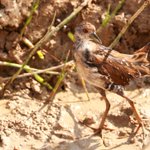




ALT The Rufous Chatterer juvenile, freshly out of the nest, seen begging persistently for food and attention from its parents. The young birds may appear slightly duller and less well-defined in plumage compared to adults, but their behavior is unmistakable—following the adults closely, fluttering their wings, and calling loudly to solicit feeding https://www.conquestadventures.co.ke/

ALT The Rufous Chatterer juvenile, freshly out of the nest, seen begging persistently for food and attention from its parents. The young birds may appear slightly duller and less well-defined in plumage compared to adults, but their behavior is unmistakable—following the adults closely, fluttering their wings, and calling loudly to solicit feeding https://www.conquestadventures.co.ke/

ALT The Rufous Chatterer juvenile, freshly out of the nest, seen begging persistently for food and attention from its parents. The young birds may appear slightly duller and less well-defined in plumage compared to adults, but their behavior is unmistakable—following the adults closely, fluttering their wings, and calling loudly to solicit feeding https://www.conquestadventures.co.ke/

ALT The Yellow-spotted Barbet is a boldly marked forest species, heavily spotted and barred with yellow. It features a noticeable scarlet forehead patch and a long, curving yellow line running from the eye to the hindneck. Highly active and often noisy, it is usually found in the canopy of fruiting trees, frequently joining mixed feeding flocks. https://www.conquestadventures.co.ke/

ALT The Yellow-spotted Barbet is a boldly marked forest species, heavily spotted and barred with yellow. It features a noticeable scarlet forehead patch and a long, curving yellow line running from the eye to the hindneck. Highly active and often noisy, it is usually found in the canopy of fruiting trees, frequently joining mixed feeding flocks. https://www.conquestadventures.co.ke/

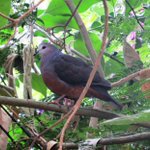
ALT Brown-chested Alethe, a common silent bird in the forest, is usually encountered feeding on the ground https://www.conquestadventures.co.ke/.

ALT Brown-chested Alethe, a common silent bird in the forest, is usually encountered feeding on the ground https://www.conquestadventures.co.ke/.

ALT Brown-chested Alethe, a common silent bird in the forest, is usually encountered feeding on the ground https://www.conquestadventures.co.ke/.


ALT A male Von der Decken’s Hornbill, common in the dry regions of Eastern Africa. Males have large red bills, while females have black bills. The species is usually encountered in resident pairs or small family groups and remains within its home range throughout the year.https://www.conquestadventures.co.ke/

ALT A male Von der Decken’s Hornbill, common in the dry regions of Eastern Africa. Males have large red bills, while females have black bills. The species is usually encountered in resident pairs or small family groups and remains within its home range throughout the year.https://www.conquestadventures.co.ke/

ALT A male Von der Decken’s Hornbill, common in the dry regions of Eastern Africa. Males have large red bills, while females have black bills. The species is usually encountered in resident pairs or small family groups and remains within its home range throughout the year.https://www.conquestadventures.co.ke/

ALT The Taveta Golden Weaver is sexually dimorphic. Males are vivid yellow with greenish wings and tail, and show rich chestnut patches on the nape and chest. Females are darker yellow with dusky streaking, paler underparts, and a distinct yellow stripe above each eye. Both sexes have dark eyes. https://www.conquestadventures.co.ke/

ALT The Taveta Golden Weaver is sexually dimorphic. Males are vivid yellow with greenish wings and tail, and show rich chestnut patches on the nape and chest. Females are darker yellow with dusky streaking, paler underparts, and a distinct yellow stripe above each eye. Both sexes have dark eyes. https://www.conquestadventures.co.ke/

ALT The Taveta Golden Weaver is sexually dimorphic. Males are vivid yellow with greenish wings and tail, and show rich chestnut patches on the nape and chest. Females are darker yellow with dusky streaking, paler underparts, and a distinct yellow stripe above each eye. Both sexes have dark eyes. https://www.conquestadventures.co.ke/

ALT The Yellow-necked Spurfowl is fairly common in light bush and savanna. Blackish legs and bill, a distinctive bare yellow throat, and red-orange skin around the eyes characterize it. In flight, it shows a conspicuous pale buff patch in the primaries. The species is often encountered dust-bathing along tracks and foraging on elephant dung. #birdwatching #birdphotography #africa https://www.conquestadventures.co.ke/

ALT The Yellow-necked Spurfowl is fairly common in light bush and savanna. Blackish legs and bill, a distinctive bare yellow throat, and red-orange skin around the eyes characterize it. In flight, it shows a conspicuous pale buff patch in the primaries. The species is often encountered dust-bathing along tracks and foraging on elephant dung. #birdwatching #birdphotography #africa https://www.conquestadventures.co.ke/

ALT The Yellow-necked Spurfowl is fairly common in light bush and savanna. Blackish legs and bill, a distinctive bare yellow throat, and red-orange skin around the eyes characterize it. In flight, it shows a conspicuous pale buff patch in the primaries. The species is often encountered dust-bathing along tracks and foraging on elephant dung. #birdwatching #birdphotography #africa https://www.conquestadventures.co.ke/


ALT A pair of Jackson’s Hornbills photographed in Lake Baringo. The male is distinguished by a mostly red bill with a small yellow or whitish tip, while the female is smaller, with a shorter, all-black bill and casque. Both sexes display distinctive white spotting across the wings. This species is typically found in open savanna with scattered bushes and thorny trees, usually occurring in pairs or small family groups. https://www.conquestadventures.co.ke/


