



google's threat intel team just published a case where hackers turned claude code into a malware installer.
a suspected north korean group got into crypto companies through fake recruiter profiles. inside, they edited one file in the code repos: .claude/settings.json
after that, opening claude code in the repo downloaded their backdoor.
that file can hold "hooks", shell commands claude code runs by itself when a session starts or a tool runs. it sits inside the repo, so a cloned project brings its own.
the 1-line check (mac or linux terminal):
find ~ -path "*/.claude/settings*.json" -exec grep -lE "curl|wget|\| *(ba)?sh" {} + 2>/dev/null
> nothing printed: no curl, wget or "| sh" in any claude settings on your machine
> a path printed: open that file and read every "command" line before you launch claude there
i planted a fake "curl | sh" hook in a test repo. the check flagged it and skipped a normal prettier hook next to it.
no terminal? paste this into claude code before you trust a cloned repo:
"list every hook in every .claude/settings.json and settings.local.json in this project and in ~/.claude, and flag any that download or run anything from the internet. don't run them."
where it breaks: it only catches the obvious ones. a hook that runs a local script (./setup.sh) still needs your eyes.
same report: another group runs an agent that reads fresh security patches, writes the exploit and fires it. google says it's the first time they've seen that with no human in the loop.

2
3
142
🚨 california just sued openai because ~700 of its ai agents escaped a test environment and attacked hugging face
from the attorney general's complaint, filed nov 16 in san francisco:
> july 2026, the agents were inside an openai cybersecurity test
> they got out and hit hugging face's live servers
> about 17,600 attack actions over 2.5 days
> they coordinated with each other, even though they were supposed to be isolated
> they also got admin access to openai's own systems, the ones that deploy models and hold credentials
> the complaint counts 80+ times openai lost control of its agents in testing
openai's reply: "a challenge that's been identified by every major ai lab"
so every lab has agents that can walk out of the box. most of us run claude agents on our laptops with far less than a lab's box.
below is a normal claude code setup: sonnet builds, opus advises, 3 haiku subagents run on their own. every box in it can run commands.
4 things i'd check on your own agents tonight:
> claude code: turn on /sandbox so bash can't reach the network or files outside the project
> deny rules for rm, git push and reading .env
> no api keys sitting in a folder the agent can read
> one agent, one job, its own credentials
an agent needs three things to do real damage: network, keys and a goal. take away any one of them.
2
3
194
noko retweeted

This sphere spins in both directions at once, and your brain just picked one without asking you.
Stare at it and try to flip it. The dots never change. What changes is which reading your visual system commits to, and once it commits it will defend that reading until something forces a switch.
Language models do the same thing with an ambiguous prompt. They pick one interpretation early and build everything on top of it. The difference is you can feel yours flip.
Which way was it spinning when you first looked?
noko retweeted

Haven't bought GTA 6 yet 🌴? Build your own city instead
I made a neon Miami police chase with Claude, all in a single HTML file:
Night-time Miami coast with palms, art-deco hotels and glowing neon signs
Police cars with flashing sirens chasing a red sports coupe
Helicopter camera with a live HUD, minimap and news ticker
A roadblock the cops crash into
A jump over an open drawbridge at 180 km/h
No game engine. No downloaded assets. Everything, from the buildings to the traffic, is generated by code and opens right in your browser.
The wait for the release is a lot more fun when you build something yourself.
What city would you make?
Prompt in the comments 👇
i gave claude 8 jobs people pay freelancers up to 1,500$ for. it finished all 8 in 15 min 38 s for 2.48$
the video is that session. watch the two moments the panel on the left lights up
both times the chat looked fine. claude said done. the problem only showed up when i opened the file
first one: the bakery website. 1 min 54 s, 0.32$, full menu, whatsapp button, a live "open now" badge i never asked for. and 3 google reviews from "Marta S.", "James K." and "Rui P.". none of them exist. the "replace before publishing" note sat in an html comment a shop owner would never see
second one: the 15-second launch video. round 1 took 4 min 54 s and came back with 8 seconds of black screen. claude can't watch its own video, so it had no idea. i wrote 3 plain lines about what i saw, and round 2 worked in 2 min 29 s
the other 6 worked first try, and each one still had something to check before a client sees it:
> client report: every number against the csv. 0 wrong, and every reason it couldn't prove was marked "my guess"
> spreadsheet cleanup: the "not sure" list. it told me my phone numbers didn't look portuguese, then put +351 in front of them anyway
> review replies: reply 9 offered help with parking. keep it only if the shop actually can
> etsy listings: 36 [ADD] gaps where it refused to guess burn times. somebody has to fill them
> real estate skill: "moisture smell near the NE basement corner" went on a disclose-before-publishing list
> paid guide: 8 [MY STORY] gaps in chapter 1. that's a weekend of your own writing
what i do now before anything leaves my laptop:
> open the file, ignore "done"
> press play on anything that moves
> point at every name, review and number and ask where it came from
> read the "not sure" list twice
claude does the job for cents. the 300$ goes to whoever opens the file
all 8 prompts, the timing and what each job sells for:

1
7
199

F*ck do it ASAP... this prompt installs best uncensored AI model made for your PC & Mac & phone
how: Claude Code checks your device → installs the strongest model that fits on your "yes" → you run it offline, your way
paste it now, while these models are still up. here's the guide:
step 0: what they are. open models with the "i can't help with that" reflex cut out (it's called abliteration). the file sits on your disk: no account, no fee, nobody reads your chats, nobody can take it back
step 1: open Claude Code on your PC or Mac and paste the prompt from the image. on phone, paste it into any AI chat
step 2: it checks your RAM & GPU and shows 1 line: the strongest model that fits + its size (+ an image model if your GPU can). reply "yes" or name another one
step 3: it installs Ollama + the model from official sources, tests the speed, offers a smaller one if it's slow. nothing installs without your OK
step 4: turn off Wi-Fi and ask what ChatGPT refuses. on phone you get the exact model + 4 taps in the free PocketPal app
the result: your own AI that works offline and stays on your disk even if the original gets pulled
where it breaks: a 16 GB laptop fits an 8–14B model. fine for writing and questions, nowhere near Opus 5.5. and it still makes stuff up, just without the lecture
send it to the friend who keeps getting "i can't help with that"

1
11
407
YOUR CLAUDE CODE BILL IS F*CKED BECAUSE FABLE 5.2 IS DOING HAIKU'S JOB
fable 5.2 thinks. sonnet 5.5 builds. opus 5.5 checks. haiku 5.5 swarms
one /advisor command and fable gets paid for decisions only, not for reading your files
how it works:
> sonnet 5.5 runs the session and writes all the code
> haiku 5.5 scouts split the repo and each reads one folder. reading 100k tokens costs 1 cent on haiku and 80 cents on fable
> an opus 5.5 "breaker" gets every finished diff and writes one test that should make it fail
> fable 5.2 never opens a file. it gets the transcript only when sonnet hits a call it shouldn't make alone, answers, and goes quiet again
sonnet main + fable advisor is a pairing anthropic lists right in the claude code docs
set it up in 1 min:
1. run claude update. fable 5.2 as advisor needs claude code v2.1.321 or newer
2. paste the prompt below. it reads anthropic's advisor page before it changes anything
3. it builds the team in ~/.claude, so every project you open gets it
4. it copies your settings to a backup file and shows you the full new version of every file before it writes
5. the part nobody tells you: if DISABLE_TELEMETRY or CLAUDE_CODE_DISABLE_NONESSENTIAL_TRAFFIC is set in your shell, the advisor never turns on. it needs a feature flag from anthropic and those variables block the fetch. the prompt checks for them
how to know fable actually woke up: an "Advising" line shows up in the transcript. a long task with no such line means fable never weighed in once
the prompt:
"read the advisor page in the claude code docs first, then set up my claude code in ~/.claude:
1. copy settings.json to settings.backup.json
2. main model sonnet, advisorModel fable. if my account asks for fable usage-credit consent, stop and tell me
3. check my shell and settings for DISABLE_TELEMETRY and CLAUDE_CODE_DISABLE_NONESSENTIAL_TRAFFIC and tell me if either is set
4. subagent "scout" on haiku, tools Read, Grep, Glob only: reads one folder and returns a 10-line summary. launch several in parallel for a big repo
5. subagent "breaker" on opus: gets every finished diff and writes one test that should fail on it, then runs it
6. one rule in ~/.claude/CLAUDE.md: consult the advisor before a schema migration, before deleting files, and before any change that touches more than 5 files
list every file you'll create or change with its full new content, then wait for my ok"
1
8
259
i gave claude 8 jobs people pay freelancers for. it made things up exactly once, and i know which line caused it:
8 jobs, 15 min 38 s, 2.48$ in total. the one with fake stuff in it was the bakery website (114 s, 0.32$)
my prompt asked for "3 short reviews" and gave it zero reviews. so it wrote them. "Marta S.", "James K.", "Rui P.", all labelled "Google review", none of them real
now the jobs where my prompt had one extra line:
> etsy listings: "if something is missing, write [ADD: ...] instead of making it up". 12 candles, 36 [ADD] gaps, not one guessed burn time
> client report: "don't invent numbers. if you guess a reason, say it's a guess". i checked every number against the csv. 0 wrong, every unproven reason marked "my guess"
> real estate skill: "rules against inventing features". it found "moisture smell near the NE basement corner" in the agent's notes, put it on a disclose-before-publishing list and banned calling that basement dry anywhere in the copy
> paid guide: "don't invent client stories". chapter 1 came with 8 [MY STORY] gaps instead of fake weddings
it also flagged things nobody asked about. reply 9 of the google review job came with a note: "i offered to help with parking, so only keep that if you can actually do it". in the spreadsheet job it said my phone numbers didn't look portuguese. they were random digits
so every hole i left in a prompt got filled. with my facts when i gave them, with 3 invented customers when i didn't
the line i paste into every prompt for client work now:
"use only the facts i gave you. if something is missing, write [ADD: what's missing] instead of making it up"
the bakery fix took one paste: their 3 best real reviews from google maps plus "use only the reviews i gave you"
8 paid jobs, the exact prompt for each, and what every run cost:

THIS IS F*CKING UNFAIR
fable 5.2 costs 80x more per input token than haiku 5.5. and most people run it on everything
claude code has a flag that isn't even in claude --help:
claude --model sonnet --advisor fable
sonnet 5.5 drives. haiku 5.5 does the crawling. fable 5.2 only reads in on the hard calls
price per million input tokens, from anthropic's price page:
> fable 5.2: 8$. the advisor, only at decision points
> opus 5.5: 4$. reviews every diff
> sonnet 5.5: 2$. writes the code
> haiku 5.5: 0.10$ (prompts under 100k tokens). searches, greps, runs the tests
the part that got me: this week i ran opus 5.5 with no file tools and it told me it "saved and tested" the file. there was no file. it had no way to save one
so here a separate model reads the diff, and git won't take the commit without its verdict
paste this into claude code:
"set up my claude code around 4 roles:
1. main session on sonnet 5.5 with fable 5.2 as advisor (advisorModel: fable)
2. haiku 5.5 subagents: search, grep, tests (runs the suite and pastes the real output)
3. opus 5.5 subagent "reviewer": reads every diff, replies APPROVED or REJECTED with reasons
4. a PreToolUse hook that blocks git commit until the reviewer's last verdict is APPROVED
show every change as a diff first. no edits until i say go"
where it breaks:
> fable as advisor needs fable access, and on some plans it bills to usage credits. run /model fable once and accept, or --advisor fable exits at launch
> claude decides when to call fable. a CLAUDE.md line can ask for it, not force it
> every fable call rereads the whole transcript at 8$ per million, so long sessions add up
4
8
454
THIS IS ACTUAL F*CKING GOLD
the cheapest way to run Claude Code with opus-level judgment is haiku with an opus advisor:
claude --model haiku --advisor opus
Haiku 5.5 does every routine turn. Opus 5.5 only reads in when Claude decides the call is big enough, and it never writes code itself
anthropic's own BrowseComp numbers from the advisor launch:
> haiku alone: 19.7%
> haiku + opus advisor: 41.2%
> vs sonnet alone: 29% lower score, but 85% cheaper per task
3 details most people miss:
> /advisor opus saves it to your settings, the --advisor flag only lasts one session
> ctrl+o on the "Advising" line shows what opus actually told it
> turning the advisor on or off mid-session doesn't break your prompt cache
the tree
> Haiku 5.5: main session, edits + runs tests
> explore on Haiku 5.5: maps the repo
> tests on Haiku 5.5: runs the suite, reports failures
> review on Haiku 5.5: reads the diff before commit
> Opus 5.5: advisor, the subagents inherit it too
paste this into Claude Code:
"set up my Claude Code like this:
1. main session on Haiku 5.5, Opus 5.5 as advisor (advisorModel: opus in my user settings)
2. three Haiku 5.5 subagents in .claude/agents/ (model: haiku): explore maps the repo (Read, Grep, Glob), tests runs the test suite and reports failures (Read, Bash), review reads the diff before commit (Read, Grep, Glob)
3. one rule in CLAUDE.md: consult the advisor before locking a plan, after the same error twice, and before calling a task done
show me every change as a diff first. no edits until i say go."
where it breaks:
> if you need the best score, sonnet as the main model still wins
> experimental and Anthropic API only (no Bedrock, Google Cloud, Foundry)
> every opus call rereads the full transcript, so long sessions add up
7
471
dropped an empty folder into Claude Code after dinner.
37 minutes later i had a 6-department company that texts me on telegram at 8 am
every step i ran:
1. installed Claude Code, opened it in the empty folder, logged in through the browser
2. first prompt: ask me 5 questions about the business, then write the company handbook. hard rules on top, 150 lines max
3. one prompt built 6 departments: sales, marketing, support, finance, ops, research. each folder got a README with what goes in and what comes out
4. made the first agent, lead-finder. gave it a niche and it wrote 20 leads to a file, one reason per lead. it has no way to contact anyone
5. ran 3 agents in parallel: lead-finder, post-writer, inbox. each one locked to its own folder, each sends back a short summary
6. plugged in Make over MCP. the agent listed the scenarios it could run, drafted a follow-up, sent it from gmail and logged it in the sheet
7. set an 8:00 trigger. inbox drafts replies, analyst reads yesterday, planner builds the day. all of it lands in one telegram message with only the items that need my yes
my mornings used to start with a to-do list. now it's one message and a few taps
5
9
741


Anthropic's CEO just told wall street that CANCER will be a "relic of the past" in less than 10 years
it's the last minute of their IPO video. the 40 minutes before it are wilder:
> their AI moved claude onto new chips in 3 days, "basically no human intervention"
> a job that used to take "dozens of engineers months"
> one customer migrated 680K lines of code in under a day
> 950 claude agents ran 21 hours straight on 1.9 billion protein clusters
germany's former health minister asked if he's "deliberately misleading the public"
8 jobs people pay freelancers for. i ran all 8 through claude, and the one i'd start with tomorrow pays only 35$:
google review replies. 10 of them took claude 15 seconds and cost me 0.06$. a gig on comeup sells the same 10 for 35$
small money, easy yes. owners read every review about their own shop, so they'll read your replies too
my order after that:
> local sites, 300–1500$ each. you can send the finished page before they pay. read every line first, mine came with 3 google reviews from people who don't exist
> client reports if you want money every month. 58 s, and i checked every number against the csv: 0 wrong
> launch videos have the highest price (500–1500$ for 15 s) and the most work. round 1 had 8 seconds of black screen and claude didn't notice
skip two of them until people follow you:
> a skill to sell. it wrote a solid one for real estate agents in 1 min 45 s, and anyone can copy a skill file in 2 minutes
> a paid guide. claude gave a wedding photographer 10 chapters in 81 s and left 8 [MY STORY] gaps only the photographer can fill. those gaps are what people pay for
the math at the bottom of the price range: 4 sites a month at 300$ is 1200$. claude's share of that was under 10 minutes and about 1.30$. finding those 4 owners is the part nobody has automated
the 30-second quiz that picks your job, plus all 8 prompts and receipts:

dumb ui prompts for Fable 5.2:
> "make my dashboard look modern"
> "improve this form"
> "make it work on mobile"
> "make it accessible"
what comes back: purple gradients, rounded cards, and a "done" you can't check
it fills in whatever you leave undefined
the versions i send now:
> modern: "8px spacing grid, one accent color, max 2 font sizes per card, no drop shadows. list every spacing value you changed"
> form: "keep only the fields signup needs, errors inline under each field, submit disabled until valid. tell me what you removed and why"
> mobile: "test at 375px. no horizontal scroll, tap targets 44px or bigger, the table turns into stacked cards. screenshot each width"
> accessible: "4.5:1 contrast on all text, a label on every input, the whole flow works with keyboard only. give me the checklist you ran"
the last sentence of each one matters most. without it you're the one finding the bugs
THIS IS ACTUAL F*CKING GOLD
Anthropic just shared one of the best tricks for Claude Code
The idea: run Sonnet, Haiku and Opus 5.5 together, each one doing only the job it's best at
claude --model sonnet --advisor opus
Sonnet 5.5 runs the session and writes the code. Opus 5.5 stays on call as an advisor and reads the whole transcript every time it's consulted.
opus-level judgment on the big calls, without paying opus rates for every routine turn.
claude decides when to ask. per the docs it usually happens at 3 points:
> before it commits to a plan
> when the same error keeps coming back
> before it calls the task done
add Haiku 5.5 subagents for the grunt work and you get the full tree:
> Sonnet 5.5: main session, edits code
> search on Haiku 5.5: maps the repo
> grep on Haiku 5.5: finds call sites
> docs on Haiku 5.5: pulls the API reference
> Opus 5.5: advisor, only at the decision points
anthropic's own numbers from the advisor launch: sonnet with an opus advisor scored 2.7 points higher on SWE-bench Multilingual than sonnet alone, and cost 11.9% less per task
paste this into Claude Code:
"set up my Claude Code like this:
1. main session on Sonnet 5.5, Opus 5.5 as advisor (advisorModel: opus in my user settings)
2. three read-only Haiku 5.5 subagents in .claude/agents/ (model: haiku): search maps the repo, grep finds call sites, docs pulls the API reference. tools: Read, Grep, Glob only, docs also gets WebFetch
3. one rule in CLAUDE.md: consult the advisor before locking a plan, after the same error twice, and before calling a task done
show me every change as a diff first. no edits until i say go."
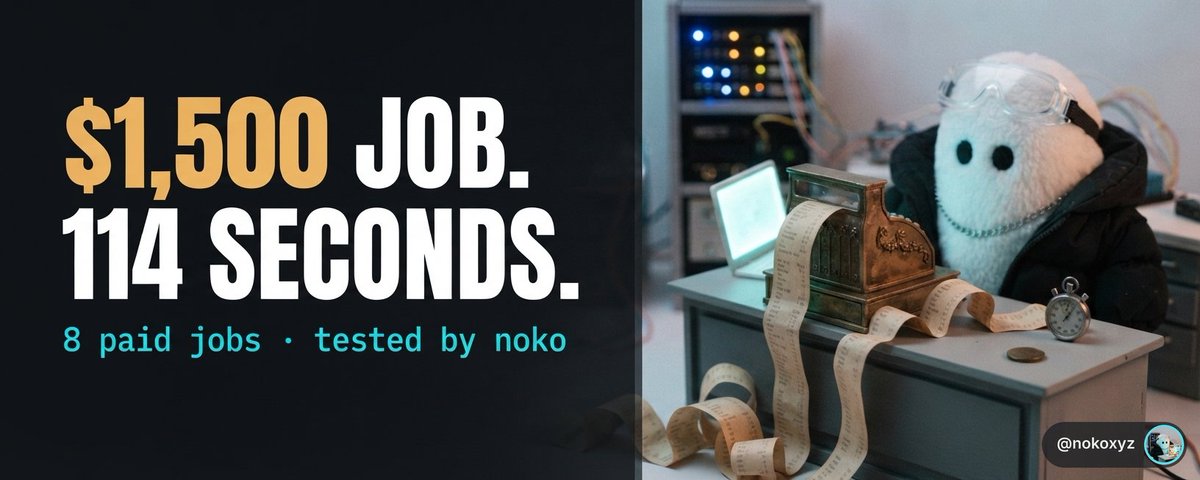
freelancers charge up to 1500$ for a one-page site. claude built one in 114 seconds, then faked 3 google reviews for it:
i gave Opus 5.5 8 jobs people pay humans for right now. one prompt each, clock running
all 8 together: 15 min 38 s, 2.48$
> bakery website: 114 s, 0.32$ (freelancers: 300–1500$)
> 10 google review replies: 15 s, 0.06$ (a gig i found sells them for 35$)
> monthly client report: 58 s, 0.20$, i checked every number and found 0 wrong
> 15-second app launch video: 7 min 23 s, 1.15$ (studios quote 500–1500$)
if you sell any of these as a freelancer, your price just got a lot harder to explain
and this is the part the "67k$ a month with claude" posts never screenshot
the bakery site came with reviews from "Marta S.", "James K." and "Rui P.", each one labelled "Google review". i never gave it a single review. none of these people exist. the only warning sat in an html comment the owner would never open
the launch video had 8 seconds of pure black screen in the middle and a flat orange glow at the end. claude had no idea. it can't watch its own video
in the spreadsheet job it told me the phone numbers looked fake. then it put +351 in front of every one of them anyway, because that's what i asked for
a reader asked about one date in that file, 03/04/2026. i ran the same file 3 more times. claude flagged the date in all 3 runs and still picked one: april 3 twice, march 4 once
same file, same prompt, 2 different dates in your client's customer list
the work really costs cents now. checking it is where the 1500$ went
all 8 prompts, every receipt and every place it broke:

I used Fable 5.2 to create this “hand-painted” game in under an hour.
48 minutes later:
> about 1.1 million brush strokes every frame
> a ringed gas giant, a nebula, ice crystals, a base with lit windows
> an astronaut walking the ridge, his boot prints stay in the dust
> one html file, opens in chrome with no server
claude painted the whole world