
フリーランスの電子政府コンサルタント。日本語ボランティアはお休み中。2003年まで行政書士。日本・エストニアEUデジタルソサエティ推進協議会(ジェアディス)理事として、エストニア情報も発信しています。
東京近郊
Joined October 2009
- Tweets13.8K
- Following377
- Followers1.1K
- Likes1.9K






Pinned Tweet
電子書籍『エストニアに学ぶ本当のデジタル国家』を出版しました。
manaboo.com/wordpress/?p=314…
エストニアのデジタル国家を一つのモデルとして、なぜ日本では「つながっているのに使えない」のか、そして、そこからどうすれば次の段階へ進めるのかを整理しています。
amazon.co.jp/dp/B0HFNQ3KH1


26日の勉強会では「データ標準化と相互運用性」についても触れます。「電子カルテの標準化」や「FHIRの導入」を進めても、それだけで公共的な価値を生み出すわけではありません。
ジェアディス勉強会のご案内(2026/11/26 19時):エストニアのeヘルス(医療DX)について
jeeadis.jp/pressrelease/2026…
118
ジェアディス勉強会のご案内(2026/11/26 19時):エストニアのeヘルス(医療DX)について
jeeadis.jp/pressrelease/2026…
医療関係者や医療DXに関係する業務や研究等に携わる方はゲスト参加が可能です。お気軽にご参加ください。
86
日本では在外選挙のインターネット投票が検討されていますが、ネット投票の先進国であるエストニアは、2027年3月の議会選挙(国会議員選挙)でスマートフォン(iOSおよびAndroid端末)による投票を開始する予定です。2023年の前回の議会選挙では、投票者全体の51.2%がネット投票を利用しました。
エストニア国家選挙委員会の公式発表(2026年10月29日)
Riigikogu valimistel saab elektrooniliselt hääletada ka nutiseadmega
valimised.ee/et/riigikogu-va…
56
エストニアのインターネット投票の設計には、アクセシビリティに加えて、レジリエンス(災害時の耐性や回復力)の観点も含まれています。日本でも、地震や台風等の災害により投票所での投票が困難な場合などには、インターネット投票の選択肢があった方が良いですね。
95
これまではパソコン(Windows、Ubuntu Linux、macOS)に投票アプリケーションをインストールする必要がありましたが、スマホで投票できると、より選挙へアクセスしやすくなり、投票率の向上も期待されます。スマホ用の投票アプリケーションはGoogleとAppleの公式アプリストア経由で配布されます。
Manabu Muta 牟田 学 retweeted

CNN reports, citing two unnamed people briefed on the investigation, that the FBI is looking into an apparent breach of the National Crime Information Center, the nationwide database federal, state and local police use for warrants, criminal history and background checks. CNN calls it the second such breach in recent months. The FBI has not confirmed any of it.
What's actually established is narrower than some of the posts circulating about it suggest. CNN does not say data was stolen, does not name an attacker, and does not explain how access was gained, through FBI's own systems or through a partner agency's credentials. No statement confirming a breach appears on fbi.gov, justice.gov or cisa.gov, and no independent reporting has corroborated it.
The "second breach" framing points back to September, when ShinyHunters claimed to have stolen FBI employee data from the bureau's jobs portal, a claim the FBI confirmed only as "aware of" and investigating, not as a confirmed NCIC compromise. That case led to an arrest last month, with charges still pending. It's a different system and a different kind of incident from what's being reported now.
The timing matters for how this gets read, not because it's connected. This surfaces days after a House Homeland Security hearing where DHS, the DNI and the FBI's own deputy director told lawmakers that recent outages hitting Microsoft 365, the FAA, airlines, banks and the NSA were not a coordinated or state-sponsored attack. Nothing in CNN's reporting ties the NCIC story to those outages. Treating them as one event because they landed in the same week is exactly the kind of inference the reporting doesn't support.
So, for now: a real CNN story, sourced to anonymous officials, describing an investigation still underway, with no confirmed theft, no named actor, and no official statement from the FBI either way.

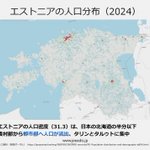
木更津市の人口はエストニアの10分の1ぐらいで、川崎市、広島市、福岡市あたりが規模的には近いです。人口規模は大切な視点ですが、より重要なのは「国家の統治権限・法制・基盤設計の有無」で、日本に合った「データを持たせない設計」を考えることが大切ですね。

164
Manabu Muta 牟田 学 retweeted

以前一直觉得亚洲人爱日本,单纯是因为东西好吃、街道干净、服务好。
但这几年看多了各国社群的讨论才发现,事情没这么简单。
这波持续了几十年的「日本热」,其实透露了一个现代东亚社会很少公开承认的集体心理讯号:
我们这一代亚洲人,对自己所在的城市感到「极度无聊」跟「缺乏安全感」。
你可以随便打开地图看看首尔、台北、上海、曼谷或新加坡的新开发区。
过去三十年,亚洲经济起飞的速度太快,快到所有城市都长成了同一副模样:玻璃帷幕大楼、连锁咖啡厅、标准化购物中心。我们用最快的速度完成了现代化,代价却是把自己的文化根基连根拔起。
人在这种高度同质化、一切讲求 KPI 跟快速变现的环境里待久了,内心会产生一种很深的漂浮感。
而日本,刚好成了整个亚洲唯一把「旧时代灵魂」跟「现代便利性」同时锁在时间胶囊里的标本。
但日本之所以能长成今天这样,并不是因为他们天生浪漫,而是历史逼出了一套极度矛盾、却又极度迷人的民族性格:
第一,江户时代「阶级固化的城市消费文化」,养出了亚洲最早的平民审美。
很多人以为日本文化只有武士刀跟神社,其实今天大家迷恋的动漫、浮世绘、居酒屋、甚至精致甜点,源头全在江户时代的「町人文化」。
当时商人有钱却没有政治地位,既然当不了官,他们就把所有财富跟精力全砸在吃喝玩乐、穿衣讲究跟戏剧艺术上。几百年下来,整个社会沉淀出一种连路边摊都要讲究摆盘与季节感的「生活美学基因」。
第二,明治维新「和魂洋才」的剧烈撕裂,逼出了极致的文化转译能力。
1868 年明治维新之后,日本是全亚洲第一个被迫直面西方文明冲击的国家。他们没有选择全盘否定自己,而是用一种近乎偏执的态度,把西方的工业技术、现代制度跟本国的传统美学硬生生揉在一起。
你看今天日本的洋食(蛋包饭、日式咖喱)、爵士乐咖啡馆、甚至任天堂跟宫崎骏,全都是「西方骨架+日本灵魂」的产物。
这种强大的文化转译力,让其他亚洲人在日本身上看到了一种梦寐以求的状态:原来我们不需要变成西方人,也能活得既现代、又保有自己的文化尊严。
第三,战后泡沫经济破灭,意外催生了「低欲望与精神出口」。
1990 年代泡沫破裂后,日本经历了失落的三十年。年轻人发现再怎么拼命加班也买不起东京的房子、爬不上大企业高层,于是整个社会集体转向「内在精神世界」。
他们不再追求宏大的发财梦,而是把注意力收回到眼前的微小事物——一杯手冲咖啡、一本独立杂志、一场深夜动画、一趟一个人的铁道旅行。
把这三段历史脉络摊开来看,你就能读懂为什么对于日本的向往:
他们表面上冷漠、疏离、甚至有点社恐,骨子里却对「人与物之间的连结」有着惊人的深情。
这也解释了为什么那么多亚洲人对日本上瘾。
在我们自己的社会里,人与人之间太拥挤、竞争太赤裸、连休息都要有罪恶感;但一踏进日本,你仿佛进入一个「被允许安静做自己、被允许为无用之美浪费时间」的平行时空。
说到底,亚洲人迷恋日本,迷恋的从来不是那个遥远的岛国,而是我们在高速发展的路上,不小心弄丢的那份「从容」与「自我认同」。
自治体任せの限界ですよね。エストニアでは住基データは国が管理して、そもそも民間の委託先に大量の住民データを提供しないガバナンスになっていて、例外的に必要な場合でも厳格な条件(国有企業限定・クエリ型・事前許可・ログ必須など)の下でしか認められないという設計です。

住基データ7万件漏えいか - 北海道留萌市、障害者情報も
news.jp/i/149606659775969775…

Manabu Muta 牟田 学 retweeted

【速報】住基データ問題、ゲーム起動で感染か
47news.jp/15261932.html?utm_…

Manabu Muta 牟田 学 retweeted

デジタル庁のGSS、ほとんど不正アクセスされてる
「その後、新たな不正アクセスや不審な通信は確認されておりません」とはなんだったのか。
digital.go.jp/press/5fc99139…


ガバメントソリューションサービスで提供しているファイル共有サービス上のファイルの漏えいの可能性について
2026年11月20日
デジタル庁
digital.go.jp/press/a966ee61…
#incident

Manabu Muta 牟田 学 retweeted

なんだこれは。しかも「災害発生時の要支援者の精神障害などに関するデータ最大約4500件」も含まれるらしい。
【速報】北海道で住基データ約7万件漏えいか #47NEWS 47news.jp/15255899.html?utm_… @47news_officialより

Manabu Muta 牟田 学 retweeted

NGINXの脆弱性 CVE-2026-123633、CVE-2026-123007についてまとめてみた - piyolog piyolog.hatenadiary.jp/entry…

Manabu Muta 牟田 学 retweeted

個人情報保護法ではなく、経済安全保障推進法の改正による予定とのこと。
*
【独自】個人情報提供、事前報告を義務化 病歴・指紋・位置、安保上脅威に(共同通信)
#Yahooニュース
news.yahoo.co.jp/articles/41…

こうした事案を見ると、「管理者権限さえ奪えば何でもできる」という単一障害点が構造的に排除されている、エストニアのXロードの優位性を改めて感じますね。
【調査結果のご報告】NewsPicksで発生した不正アクセスによる個人情報漏洩について
2026年11月18日
株式会社ユーザベース(NewsPicks)
corp.newspicks.com/info/2026…
#incident

5
277
Manabu Muta 牟田 学 retweeted

勉強になります。アップデートは比較的早期でしたが、攻撃者の方が速く、脆弱性対応時に既にAPIキーが作られていたことに気が付かなった / “ 【調査結果のご報告】NewsPicksで発生した不正アクセスによる個人情報漏洩について - NewsPicks | 株式会社ユーザベース” htn.to/2yJR7bPLg4
Manabu Muta 牟田 学 retweeted

医薬品安定供給・流通確認システムへの不正アクセスに係る 個人情報の漏えいについて|厚生労働省 mhlw.go.jp/stf/newpage_77515…

Manabu Muta 牟田 学 retweeted

There has been considerable fanfare surrounding the partial destruction of the road section of the Kerch Bridge. However, the actual military significance of the operation deserves a more sober assessment.
After committing hundreds of drones and missiles, with crucial NATO intelligence, electronic warfare support, and assistance in identifying and locating Russian air defence assets in the area, Ukrainian forces and their NATO planners managed to achieve a partial success. The underlying principle is relatively straightforward: saturate the defended area with sufficient numbers of incoming weapons, exploit the limitations of the available air defence systems, and eventually some will penetrate the defensive envelope.
The decisive factor is not necessarily the sophistication of individual weapons but the mathematics of air defence. The number of available interceptors, the engagement capacity of individual missile batteries, their radar coverage, reaction times, ammunition expenditure, and the time required to reload all impose limitations. No air defence network, regardless of how sophisticated, can guarantee 100% protection against a sustained, coordinated attack involving large numbers of drones and missiles. A fixed target such as a bridge is particularly difficult to defend because its location is known, its dimensions are substantial, and its vulnerability cannot be eliminated simply by deploying additional air defence systems.
Credit where credit is due: the Ukrainians achieved a tactical success. Nevertheless, the railway section remains operational, and the wider logistical route connecting Russia with Crimea remains intact. Consequently, the damage does not fundamentally alter the Russian military supply situation. It creates disruption, inconvenience, and additional logistical pressure, but it does not sever the supply line. Russian military transport and civilian traffic will have to adapt, while drivers face longer journeys and delays.
The contrast with Russia's demonstrated ability to attack Ukrainian infrastructure is worth considering. A relatively small number of Russian ballistic missiles have demonstrated the potential to inflict serious damage on critical infrastructure, including bridges across the Dnipro. In principle, a concentrated strike involving approximately 18 ballistic missiles (let say one missile regiment), supported by drones to complicate interception and exhaust Ukrainian air defences, could present an extremely serious challenge to the bridges in and around Kiev. The actual outcome would, of course, depend on the missile types, accuracy, warhead effects, and defensive measures in place.
The broader point is that destroying or disabling a major bridge is one thing; producing a lasting operational effect on an enemy's logistics is quite another. In the case of the Kerch Bridge, the railway connection remains available, while the alternative land route continues to provide Russia with a major logistical lifeline. The result is therefore more symbolic than strategically decisive.
For the political establishment and those eager to present every Ukrainian strike as a major strategic victory, the operation provides excellent material for public relations. However, the war is not being decided by headlines, spectacular footage, or celebratory announcements.
Meanwhile, the vulnerability of Ukrainian transport infrastructure remains a serious concern. As the war continues, Russian strikes against bridges, railway infrastructure, and other critical transportation nodes will increasingly test Ukraine's ability to maintain its logistical network. Allied-supplied pontoon bridges and other temporary crossing solutions can provide valuable tactical alternatives, but they cannot realistically replace the capacity, durability, and throughput of major permanent bridges.
The Kerch Bridge has been partially damaged. That is an achievement worth acknowledging. But declaring it a strategic victory is another matter entirely. The Russian supply routes remain open, the railway connection has not been eliminated, and the military situation has not fundamentally changed. Ultimately, the distinction between a successful strike and a strategically meaningful operation is precisely what tends to get lost in the propaganda surrounding this war.

