

Cairo Geniza specialist, professor of Near Eastern Studies & History, director of the Princeton Geniza Lab. Deciphering, often with great difficulty, since 1996
- Tweets2.4K
- Following680
- Followers4.7K
- Likes5.1K






ALT Screenshot of the Princeton Geniza Lab's profile on Bluesky containing the lab's logo, a banner image of Geniza fragments, and a short description of the lab and its websites.


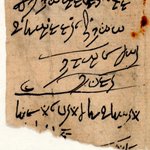
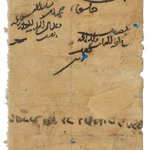
ALT Photos of recto and verso of a small medieval manuscript in Hebrew and Arabic script, alongside tentative transcription & translations: אלה שמיה תרגמיה God of heaven (in) Targumic שמח שמח באלסימריה ŠMḤ ŠMḤ in Samaritan נגש נגש באלחתיה(?) NGŠ NGŠ in Hittite(???) סלו סלו באלנוביה SLW SLW in Nubian תחה תחה באלכאשכיה(?) TḤH TḤH in Kāskian(?) יא בר בר באלרוסיה O BR BR in Russian יא זגזגה סוראניה O ZGZGH (in) Syriac(?) יא קרס קרס באלסרצטיה(?) O QRS QRS in SRṢṬian יא קטפז באלרמנייה(?) O QṬFZ in {A}rmenian(?) יֵאמִנתִיָיו(?) אפרנגיה O Mintiyaw (in) Frankish יאגמתו(?) באלגזיה O GMTW in Ghuzz(?) יא שפנותה באלקבטיה O S(h)ephnute in Coptic יא כדי כדי באלעגמיה O Khudī Khudī in Persian יא חס חס באלרומיה(?) O ḤS ḤS in Roman (Greek?) יא רב . . . . . אלשמא באלערביה O Lord of heaven in Arabic بسم الله الرحمن الرحيم عونك يا رب بالله ربكما عوجا على سكني وعاتبماه(!)


ALT Medieval manuscript with Hebrew writing on it. Caption: Detail from JTS ENA 2753.16, recto, published with courtesy of the Jewish Theological Seminary Library.





ALT Detail from a 17th century painting of a scene from Sa'di's Gulistan. Description from the Met museum: "This painting was created during the reign of Mughal Emperor Jahangir (r. 1605–27) and illustrates a scene from the Gulistan of Sa'di, a 13th century poetic collection of moral tales. In this story, an old man takes on a much younger wife, named Pearl, but is unable to consummate the marriage. Complaining of his wife's inadequacies but unable to see his own, the old man takes the issue up with the local qadi (or magistrate), seated at the right of the scene."


ALT medieval manuscript covered with Arabic writing

ALT manuscript illumination of a pharmacist preparing a medicine


