



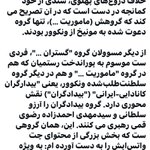


امیرحسین، فعال توییتری، تنها به جرم نوشتن و بیان دیدگاههایش و بازتاب درد مردم با چنین حکم سنگینی روبهرو شده.
حقوق بشر کجاست ؟
چراجون بچه های ما برای کسی مهم نیست؟
#امیرحسین_موسوی
#جیمز_بیدین


به جایی رسیدهایم که جوانمان را اعدام میکنند و تازه بعد از مرگ، چهرهاش را میبینیم.
این اولین تصویر #امیرحسین_ابراهیمی است؛ جوانی که امروز اعدام شد و تا همین حالا حتی عکسی از او نداشتیم.
لعنت بر جمهوری اسلامی.
#نه_به_اعدام


جنبشی که پهلوی به وجود آورده، بسیار شبیه جنبشی است که ترامپ ایجاد کرد. به نظرم هر دو جریان بیش از هر چیز به دنبال کسب قدرت به هر قیمتی هستند، بدون اینکه برای ابتداییترین اصول اخلاقی و انسانی اهمیت چندانی قائل باشند.
چیزی که برای من هم جالب است و هم تأسفبار، این است که تقریباً تمام کسانی که میشناسم و در چند سال گذشته به جریان پهلوی پیوستهاند، به نسخهای بیادبتر، پرخاشگرتر و از نظر اخلاقی بدتر از گذشتهی خود تبدیل شدهاند. حتی کسانی که شخصاً در رفتارهای زنندهی این جریان مشارکت نمیکنند، اغلب حاضر نیستند علناً آن رفتارها را محکوم کنند. به نظرم همین سکوت هم چیزهای زیادی دربارهی ارزشهای اخلاقی افراد میگوید.
مدتی است به این فکر میکنم که چرا کسانی که جذب جریانهایی مثل ماگا (MAGA) یا پهلویگرایی میشوند، بهتدریج رفتارشان بدتر میشود. نظریهای دارم که فکر میکنم دستکم بخشی از این پدیده را توضیح میدهد.
همهی ما دوست داریم خودمان را انسانهایی خوب و اخلاقمدار بدانیم. اما وقتی رفتارمان با این تصویر ذهنی در تضاد قرار میگیرد، چه اتفاقی میافتد؟ مثلاً وقتی به زنی که بهتازگی پدرش را از دست داده توهینهای زننده میکنیم، یا آگاهانه دربارهی کسی که با او اختلاف سیاسی داریم دروغ میگوییم. یا حتی وقتی شاهد چنین رفتارهایی از سوی همفکرانمان هستیم و به جای اعتراض، آنها را توجیه میکنیم.
در چنین شرایطی، میان تصویری که از خودمان داریم و رفتارمان نوعی تضاد شکل میگیرد؛ چیزی که در روانشناسی به آن «ناهماهنگی شناختی» میگویند.
برای حل این تضاد، دو راه وجود دارد. یا باید بپذیریم که رفتار خودمان یا همفکرانمان نادرست بوده، یا باید خودمان را قانع کنیم که طرف مقابل آنقدر انسان بدی است که مستحق چنین رفتاری بوده است.
راه دوم معمولاً آسانتر است، چون راه اول مستلزم روبهرو شدن با حقیقتی ناخوشایند دربارهی خودمان است.
و به نظرم مشکل اصلی از همینجا آغاز میشود.
هرچه با کسی بدتر رفتار میکنیم، نیاز بیشتری پیدا میکنیم که باور داشته باشیم آن شخص واقعاً انسان بدی است. بنابراین عیبهایش را بزرگ میکنیم، بدترین نیتها را به او نسبت میدهیم و بهتدریج حتی انسانیتش را هم انکار میکنیم. این نگاه، بدرفتاری بعدی را آسانتر میکند و هر رفتار جدید، نیاز ما به توجیه رفتارهای گذشته را بیشتر میکند.
بهمرور، موضوع دیگر صرفاً یک اختلاف سیاسی نیست، بلکه به بخشی از هویت فرد تبدیل میشود. کسی که سالها برای اثبات بد بودن مخالفانش تلاش کرده و با آنها بدرفتاری کرده، برای پذیرفتن اشتباه خود باید با این احتمال روبهرو شود که شاید خودش آن انسان خوب و اخلاقمداری نبوده که تصور میکرده است.
فکر میکنم این موضوع تا حدی توضیح میدهد که چطور ممکن است کسی در طول روز فردی تحصیلکرده، مؤدب و منطقی است، شبها میتواند پشت کامپیوتر بنشیند و زنندهترین حرفها و دروغهای آشکار را دربارهی دیگران بنویسد.
به عبارت دیگر، گاهی افراد به این دلیل با دیگران بدرفتاری نمیکنند که آنها را انسانهایی بد میدانند؛ بلکه چون با آنها بدرفتاری کردهاند، بهتدریج خودشان را قانع میکنند که آنها انسانهای بدی هستند.
و هرچه بیشتر در این مسیر پیش میروند، بازگشت برایشان دشوارتر میشود. چون دیگر مسئله فقط تغییر یک عقیدهی سیاسی نیست؛ بلکه پذیرفتن مسئولیت رفتارهایی است که با تصویری که از خودشان دارند سازگار نیست.
نمیدانم چطور میتوان این چرخه را شکست. اما فکر میکنم یکی از قدمهای ضروری این است که افراد بیشتری، بهویژه کسانی که خود را متعلق به این جریانها میدانند، حاضر شوند علناً از چنین رفتارهایی ابراز انزجار کنند، نه اینکه با سکوت یا توجیه، به آنها مشروعیت ببخشند.
چون وقتی افراد بهظاهر معقول در برابر رفتارهای غیراخلاقی همفکرانشان سکوت میکنند، در عمل به تداوم همان چرخه کمک میکنند؛ چرخهای که در آن افراد میتوانند به دیگران آسیب بزنند و همچنان خود را انسانهایی خوب، اخلاقمدار و محق بدانند.


هفت دختر، هفت جان جوان ، هفت زندگیِ در خطر اعدام:
نیلوفر اصفهانی ۱۸ ساله
ملیکا عزیزی ۱۸ ساله
دیانا طاهرآبادی ۱۶ ساله
ترانه رحیمی ۱۸ ساله
نجمه امینی ۲۳ ساله
ارغوان فلاحی ۲۵ ساله
و مژده هاشمی ۲۷ ساله
اجازه ندهیم نامشان در سکوت گم شود!
#نه_به_اعدام


یک صدای دیگر برای نجات جان #محبوبه_شعبانی!
خبر امیدبخشی در میان این روزهای تلخ: اسقف پیتر کولگراف، اسقف شهر ماینتس آلمان، با تلاش و پیگیری بهروز اسدی، فعال حقوق بشر، حمایت رسمی خود را از محبوبه شعبانی، زندانی سیاسی ۳۳ ساله محکوم به اعدام در مشهد اعلام کرده و خواستار آزادی او شده است.
محبوبه، زنی شجاع که در جریان اعتراضات دیماه ۱۴۰۴ با موتورسیکلت خود مجروحان را به مراکز درمانی میرساند، امروز با حکم اعدام روبهروست. زنی که برای نجات جان دیگران تلاش میکرد، اکنون خود نیازمند حمایت جهانیان است.
از اسقف کولگراف برای این اقدام انسانی و از بهروز اسدی عزیز برای تلاشهای ارزشمند و خستگیناپذیرش در دفاع از زندانیان سیاسی ایران صمیمانه سپاسگزارم.
نباید اجازه دهیم جمهوری اسلامی جان محبوبه را بگیرد. صدای او باشیم.
#SaveMahboubehShabani #StopExecutionsInIran #WomanLifeFreedom
bistummainz.de/pressemedien/…
بر اساس اطلاعیه رسمی اسقفنشین ماینتس، ۲۳ اکتبر ۲۰۲۶.
@BehrouzAsadi12

may.T retweeted

اگر برای شما امکانپذیر است از خانم بازرگان و سازمانشان حمایت کنید.
خانم دکتر قلابی شیرین سعیدی، استاد سابق دانشگاه آرکانزاس، علیه @AAIRIA_Org، من و شماری از مسئولان دانشگاه و مقامات ایالتی در دادگاه فدرال آمریکا شکایت کرده است.
ما نزدیک به شش سال است که با تکیه بر اسناد و مدارک و با استفاده از حقوق قانونی خود، برای افشای عملکرد حامیان جمهوری اسلامی تلاش میکنیم. با شکایت، تهدید و ارعاب ساکت نخواهیم شد.
این پرونده تنها دفاع از ما نیست؛ دفاع از حق آزادی بیان و فعالیت مدنی نیز هست. ادعاهای مطرحشده در یک شکایت به معنای اثبات آنها نیست و ما از حقوق خود در دادگاه دفاع خواهیم کرد.
برای تأمین هزینههای سنگین دفاع حقوقی، به حمایت مالی شما نیاز داریم. لطفاً به کمپین GoFundMe ما کمک کنید و لینک آن را با دوستانتان به اشتراک بگذارید. از همراهی و حمایت شما سپاسگزاریم.
gofundme.com/f/fund-aairia-i…
#FireSaeidi
#StopIRILobby

may.T retweeted

دکتر #مصطفی_مهرآیین جامعهشناسی که این روزا رو در زندان میگذرونه، با پرداخت ۱۵۰ میلیون تومن یک زندانی مالی رو آزاد کرد.
گفته:«نیکوکاری یعنی پایان بخشیدن به خشونتی که میکوشد ما را از هم جدا سازد.»
او در برابر حکومتی که میخواد از هم جدامون کنه، از قدردانی و پیوند گفت و بهش عمل کرد.

may.T retweeted

Urgent Appeal by Sepideh Gholian to the German Federal Government’s Human Rights Commissioner: Immediate Action Demanded to Halt Executions and End the Torture of Political Prisoners in Iran
Sepideh Gholian, an Iranian human rights activist and former political prisoner who spent several years imprisoned in the Islamic Republic of Iran, has addressed an urgent letter to Prof. Dr. Lars Castellucci, the German Federal Government Commissioner for Human Rights Policy and Humanitarian Assistance. In her letter, she calls for decisive international action to prevent executions in Iran, ensure independent investigations into the torture and ill-treatment of political prisoners, guarantee fair trials and due process, and hold those responsible for serious human rights violations accountable.
The letter is dated October 12, 2026 (20 Mehr 1405 in the Iranian calendar) and, according to the information contained in the document, was written in the Iranian city of Dezful.
In her letter, Gholian recounts her personal experiences during years of imprisonment, describes the systematic repression of women, torture, and mistreatment in Iranian detention facilities, and issues a powerful warning against allowing the victims of the protests during the Iranian month of Dey to be reduced to mere numbers and statistics in the political calculations of the international community.
Firsthand Testimony of Torture and Serious Human Rights Violations
At the beginning of her letter, Sepideh Gholian refers to her years of imprisonment in the Islamic Republic of Iran. She emphasizes that she has firsthand knowledge of conditions inside Iranian prisons, the repression of women, torture, ill-treatment, and violations of fundamental human rights.
During her imprisonment, she witnessed the suffering and mistreatment of numerous fellow prisoners. Some of these individuals were subsequently subjected to harsh judicial sentences, including death sentences.
Gholian stresses that the consequences of state repression extend far beyond physical injuries. Psychological pressure, intimidation, threats, denial of contact with family members, and restrictions on access to independent legal counsel are among the methods used to deprive prisoners of an effective defense and their fundamental right to a fair trial.
In her letter, she emphasizes:
“Confessions obtained through coercion or torture must never serve as the basis for a criminal conviction.”
Out of concern for the safety of former fellow prisoners and their families, Gholian has deliberately refrained from disclosing names or details that could expose those individuals to additional risks.
At the same time, she underscores her personal and moral responsibility to bear witness to what she has experienced and observed and to advocate for independent and impartial investigations into human rights violations.
Criticism of Reducing Victims to Numbers and Statistics
A central part of the letter addresses the international community’s treatment of the victims of protests in Iran during the month of Dey.
Gholian expresses profound concern that the human dimension of the violent suppression of the protests is gradually disappearing from public and political consciousness.
What causes her particular pain is the growing tendency to perceive those who lost their lives during the protests merely as numbers in international statistics.
Behind every number, however, stands a human being — an individual with a personal history, a family, hopes, aspirations, and a future that was violently taken away.
Gholian describes the reduction of victims to statistical figures as a form of dehumanization that pushes both the dignity of those killed and the suffering of their families into the background.
In one of the most powerful passages of her letter, she declares:
“We are not numbers. We are not instruments of international politics. We are human beings whose lives, dignity, freedom, and rights must be respected.”
These words also challenge political approaches in which the fate of victims of state repression risks being subordinated to diplomatic interests, geopolitical considerations, or international power calculations.
Demand for Immediate Measures to Prevent Further Executions
In the following section of her letter, Gholian explicitly calls upon Prof. Dr. Lars Castellucci to use his political mandate and human rights responsibilities to advocate for the immediate suspension of executions in Iran.
She places particular urgency on cases involving evidence of torture, forced confessions, or serious violations of fundamental guarantees of due process.
She further calls for:
- Unrestricted access for all detainees to independent legal counsel.
- Regular and unhindered communication between prisoners and their families.
- Independent and impartial investigations into all credible allegations of torture and ill-treatment.
- Judicial review of convictions and sentences imposed through proceedings that violated fundamental due process rights.
- Effective protection measures for prisoners facing immediate danger and for their family members.
- Thorough investigations into serious human rights violations and legal accountability for those responsible.
At the heart of these demands lies the protection of human life and the unconditional respect for human dignity.
Appeal to Germany: Human Rights Policy Must Go Beyond Political Statements
Sepideh Gholian calls upon the international community, and particularly the Federal Republic of Germany, not to remain passive observers in the face of continuing human rights violations in Iran.
She expects Germany to make consistent and effective use of its diplomatic, political, and human rights mechanisms to confront structures of state repression and hold those responsible for serious human rights violations accountable.
Her appeal is not limited to public condemnations or diplomatic statements. Rather, she calls for concrete, transparent, and effective measures to protect people whose lives and fundamental rights are at risk.
Gholian emphasizes that a credible international human rights policy must take the experiences of victims seriously, amplify the voices of political prisoners, and recognize the inherent and inalienable dignity of the people of Iran.
Toward the end of her letter, she makes an urgent appeal:
“The world must look at Iran. More importantly, however, it must see the people of Iran, hear their voices, and recognize their human dignity.”
She further declares with particular emphasis:
“No human being should be sentenced to death and sent to the gallows on the basis of torture, forced confessions, or an unfair trial.”
The Recipient of the Letter and the German Federal Government’s Position on the Death Penalty
Prof. Dr. Lars Castellucci has served as the German Federal Government Commissioner for Human Rights Policy and Humanitarian Assistance since May 2025.
On October 10, 2026, marking the World Day Against the Death Penalty, Castellucci stated in an official declaration that capital punishment is incompatible with human dignity and that Germany, together with the member states of the European Union, opposes the death penalty under all circumstances.
He also reaffirmed Germany’s commitment to the worldwide abolition of capital punishment and its support for civil society initiatives working toward this objective.
Sepideh Gholian’s letter is dated October 12, 2026, two days after this public statement.
The demands outlined in her letter therefore relate directly to the human rights policy responsibilities of the German Federal Government Commissioner.
The International Community’s Responsibility to Protect Human Life
In the concluding section of her letter, Sepideh Gholian acknowledges Prof. Dr. Lars Castellucci’s commitment to human rights and expresses her hope that her experiences, warnings, and specific demands will receive serious consideration.
She urges the German Federal Government to continue and strengthen its efforts to protect the lives, freedom, and fundamental rights of the people of Iran.
The central message of her letter is clear: International human rights policy must not be limited to symbolic condemnations.
What is required are concrete measures to prevent further executions, independent investigations into torture and ill-treatment, guarantees of fair judicial proceedings, and systematic accountability for state-sponsored human rights violations.
Gholian also reminds the international community that victims of political repression must never be reduced to anonymous statistical figures, treated as bargaining chips in international politics, or forgotten as individual cases within diplomatic relations.
Official Submission of the Letter to the German Federal Foreign Office on October 13, 2026
Of particular significance is the fact that Sepideh Gholian’s letter was officially submitted on October 13, 2026, during a formal meeting at the Federal Foreign Office of the Federal Republic of Germany.
The meeting brought together a delegation consisting of lawyers, human rights activists, and relatives of victims of state repression, alongside representatives of the Federal Foreign Office responsible for human rights and for matters concerning the Middle East and Iran.
The letter addressed to Prof. Dr. Lars Castellucci, the German Federal Government Commissioner for Human Rights Policy and Humanitarian Assistance, was formally presented to the relevant officials of the Federal Foreign Office.
The purpose of the submission was to bring the urgent human rights concerns expressed in the letter directly to the attention of the responsible German authorities and to encourage their concrete examination and follow-up.
The discussions focused particularly on demands for an immediate halt to executions, independent investigations into the torture and ill-treatment of political prisoners, and consistent action against serious violations of fundamental human rights in Iran.
Participation of Victims’ Families and Representatives of the Human Rights Movement
Among those participating in the meeting were Sholeh Pakravan, Maria Mahmoudi, and Rada Fatehi, who, as relatives of victims of state repression, are committed to truth, justice, and accountability for human rights violations.
Their participation highlighted the essential importance of the perspectives of families who have lost loved ones and who continue to struggle for truth, recognition, and justice.
Also present was Saeid Dehghan, a lawyer associated with the “Yek Kalameh” (“One Word”) network and producer of the documentary film The Court of History.
Dehghan addressed, in particular, the importance of transitional justice, the systematic and legally reliable documentation of human rights violations, and the necessity of holding both direct perpetrators and those bearing political and institutional responsibility accountable.
The discussion emphasized that meaningful accountability for serious human rights violations requires more than the determination of individual criminal responsibility.
It also demands the preservation of evidence, recognition of victims’ suffering, and the establishment of legal and institutional foundations for future justice processes.
Behrouz Asadi, a human rights activist and spokesperson for the “Woman, Life, Freedom” Association in Germany, also participated in the meeting.
Direct Dialogue with the German Federal Foreign Office: Human Rights Must Lead to Concrete Political Action
The meeting at the Federal Foreign Office provided an important opportunity to bring the voices of victims’ families, former and current political prisoners, and individuals affected by serious human rights violations in Iran directly into political and diplomatic dialogue with the German Federal Government.
The delegation emphasized the urgent need to make the protection of prisoners at risk, the prevention of further executions, and accountability for torture and state violence concrete priorities of Germany’s human rights policy toward Iran.
Particular emphasis was placed on the principle that human rights violations must not remain merely the subject of political declarations.
Instead, they require a consistent, long-term, and verifiable human rights response.
Sepideh Gholian’s letter and its official submission to the German Federal Foreign Office therefore represent a fundamental demand: The experiences of victims and their families must be heard, their rights must be protected, and those responsible for serious human rights violations must be held accountable.
Human dignity, the right to life, freedom, and justice must never be subordinated to political interests or become subjects of diplomatic compromise.
The international community, and particularly the Federal Republic of Germany, is called upon to fulfill its human rights commitments through determined, credible, and effective action.
Yours sincerely,
Behrouz Asadi
Human Rights Activist
Spokesperson for the “Woman, Life, Freedom” Association in Germany

may.T retweeted

حمایت از بهار دهکردی (آتیش)، حمایت از حق دفاع، آزادی بیان و عدالت است!
بهار، هنرمند و مبارزی است که با هنر و صدای خود، پیام آزادیخواهی و رنج مردم ایران را به گوش جهانیان میرساند.
امروز او برای تأمین هزینههای وکالت، دفاع از خود در پروندهٔ مطرحشده علیه او و پیگیری قانونی آزارهایی که روایت میکند، به پشتیبانی ما نیاز دارد.
استبداد، چه در لباس حکومت دینی و چه در پوشش هر نظام فاسد و سرکوبگر، در خاموش کردن صدای آزادیخواهان عملاً همپیمان است.
نگذاریم هیچیک ازین دو استبداد و حامیانشان، آزادیخواهی و حقطلبی را به سکوت وادارند.
با کمک مالی و بازنشر این فراخوان، در کنار بهار بایستیم؛
دفاع از حق او، دفاع از حق همهٔ آزادیخواهان برای بیان حقیقت و برخورداری از عدالت است.
کمپین تأمین هزینههای وکالت و حمایت حقوقی از بهار دهکردی (آتیش):
🔗 spot.fund/BaharLegalFund
پست بهار در Spotfund👇
همراه بهار دهکردی (آتیش) برای تأمین هزینههای وکیل و دفاع از حقوقش باشید
من بهار آتیش هستم؛ رپر، فعال حقوق زنان و ایرانی ساکن کانادا.
بخش بزرگی از موسیقی و فعالیتهای من دربارهٔ آزادی زنان، کرامت انسانی و حق بیان بوده است. امروز برای دفاع از حقوق خودم، به همراهی شما نیاز دارم.
پس از اتفاقاتی که در مراسم یادبود ژینا مهسا امینی در تورنتو رخ داد و شکستن پرچم در جریان درگیری، شکایتی علیه من مطرح شده است. روایت من از آن روز، شامل آزار و تهدیدهایی است که پیش از لحظهٔ ثبتشده در ویدیوهای منتشرشده اتفاق افتادند. این بخش از ماجرا نیز باید شنیده و بررسی شود.
برای دو موضوع جداگانه به وکیل نیاز دارم: دفاع در برابر شکایت مطرحشده علیه من، و بررسی و پیگیری راههای حقوقی در ارتباط با آزارها و انتشار ویدیوهای من.
میخواهم صادقانه دربارهٔ رفتار خودم پاسخگو باشم و همزمان فرصتی منصفانه داشته باشم تا تمام ماجرا را توضیح دهم، مدارکم را ارائه کنم و از حقوقم دفاع کنم. برای رعایت حریم خصوصی افراد و ملاحظات روند حقوقی، جزئیات بیشتری از پروندهها را در این صفحه مطرح نمیکنم.
هزینهٔ پیگیری این دو موضوع از توان مالی فعلی من خارج است. هدف این کمپین، جمعآوری ۱۵ هزار دلار برای تأمین هزینههای وکیل و مخارج مرتبط با این پیگیریهاست.
درخواست کمک مالی برایم آسان نیست. اما نمیخواهم هزینهٔ وکیل مانع دفاع از خودم یا پیگیری مسئولیت کسانی شود که به من آسیب زدهاند.
همراهی شما با هر مبلغی، کمک میکند این مسیر را با پشتیبانی حقوقی ادامه دهم. اگر امکان کمک مالی ندارید، بازنشر این صفحه نیز برایم بسیار ارزشمند است.
تا جایی که روند حقوقی و حفظ حریم خصوصی اجازه دهد، شما را در جریان پیشرفت کار قرار خواهم داد.
ممنونم که کنارم هستید و از حق من برای شنیدهشدن حمایت میکنید.
بهار دهکردی
spot.fund/BaharLegalFund
✊✊
Help Bahar Dehkordi (Atish) Cover Legal Costs and Defend Her Rights
My name is Bahar Atish. I am a rapper, a women’s rights activist, and an Iranian living in Canada.
Much of my music and activism has been about women’s freedom, dignity, and the right to speak out. Today, I need support to defend my own rights.
Following an incident at a memorial for Jina Mahsa Amini in Toronto, a complaint was brought against me after I broke a flag during a confrontation. My account of that day includes harassment and threats before the moment captured in the videos circulated online. Those circumstances also deserve to be heard and examined.
I need legal representation for two separate matters: responding to the complaint against me, and pursuing legal options concerning the harassment and the circulation of videos of me.
I want to address my own actions honestly while also having a fair opportunity to present the full context, provide evidence, and protect my rights. To respect the legal process and the privacy of those involved, I will not share further case details here.
The cost of pursuing both matters is beyond what I can currently afford. I am raising $15,000 to help cover legal representation and related expenses.
Asking for financial help is difficult. But I do not want the cost of a lawyer to prevent me from defending myself or seeking accountability for what I have experienced.
Any amount you can contribute will help me move forward with legal support. If you cannot donate, sharing this fundraiser would also mean a great deal.
I will share updates as the legal. . .

may.T retweeted

اگر در انتخاب بین کسی که در ۲۵ سال گذشته بیشتر آن را برای آزادی در زندان گذرانده و یک قمارباز الکلی که پنج بار پول مردم را بالا کشیده اشتباه انتخاب کردی، یا فاسدی یا احمق.
#نرگس_محمدی
#زن_زندگی_آزادی

Congratulations, Cambridge University! What a remarkable reflection on your academic legacy.
Your PhD graduate, Shirin Saeidi, reportedly threatened to travel to Iran, dance on the grave of my brother Bijan, executed by the Islamic Republic, and send me the video.
Is this the standard of conduct Cambridge expects from its graduates?
#FireSaeidi
#StopIRILobby
@CUP_PoliSci
@Cambridge_Uni
@YoursCambridge


یه لحظههایی هست که مثلا مجذوب دیدن یک کوه و یا دریاچه شدی، و دلت نمیخواد اون فضا و تجربه رو ترک کنی، اما به خودت قول میدی که یه روز دوباره به اون فضا برمیگردی. این روزها همش به فکر بچههامون هستم که دیگه هیچ وقت فرصت نکردند لحظات زیبای زندگیشون رو تکرار کنند.#علیسینا_مصطفوی

فوری | حبیبالله قنبرزهیفرجاد قرار است فردا اعدام شود
مادر و خواهرش برای نجات جان او کمک میخواهند.
حبیبالله قنبرزهیفرجاد، زندانی بلوچ ۳۸ ساله و پدر چند فرزند، قرار است فردا، دوشنبه ۲۰ مهر ۱۴۰۵، در زندان کرمان اعدام شود. او امروز به سلول انفرادی پیش از اجرای حکم منتقل شده و مسئولان زندان از خانوادهاش خواستهاند تا ساعت ۲۲ امشب برای ملاقات آخر مراجعه کنند.
خواهرش در پیامی صوتی میگوید: «از زندان برای ما تماس گرفتند و گفتند که تا ساعت ۲۲ شب به زندان کرمان برای ملاقات آخر مراجعه کنید. تو را خدا هر کاری از دست شما برمیآید انجام دهید.»
مادرش نیز درخواست کمک میکند: «تو را خدا هر کاری میتوانید برای فرزندم انجام دهید. حبیبالله برادر و پدر ندارد. کاری برای پسرم انجام دهید.»
حبیبالله تنها نانآور فرزندان، مادر و خواهرش است. او در آبان ۱۴۰۲ هنگام رانندگی در کرمان بازداشت و با اتهامات مرتبط با مواد مخدر به اعدام محکوم شد. خانوادهاش میگویند این حکم با وجود شواهدی صادر شده که نشان میدهد مواد کشفشده متعلق به او نبوده است.
هنوز برای توقف این اعدام فرصت هست. جامعهٔ جهانی، بهویژه دولتهایی که با جمهوری اسلامی روابط دیپلماتیک دارند، باید فوراً اقدام کنند و از همهٔ راههای موجود برای توقف اعدام او استفاده کنند.
هر ساعت مهم است.
صدای مادر و خواهر حبیبالله را بازتاب دهیم.
#حبیبالله_قنبرزهی_فرجاد #نه_به_اعدام #اعدام_بس_است


امیرسالار داوودی، وکیل #علیرضا_سپاهی امروز بازداشت شد.
این آخرین پست او پیش از بازداشتشه؛ اژهای رو به مناظرهٔ زنده و بدون سانسور دربارهٔ اعدامها و بیگناهی موکلش دعوت کرد، بعد بازداشت شد!
در جمهوری اسلامی پاسخ به وکیلی که پای جان و بیگناهی موکلش ایستاد زندان و دادن حکم است.
#امیرسالار_داوودی
