
(He/him) Posting about policy, housing, and economics. Senior Associate at the Grattan Institute. Cross-posting to https://xitter.cf/t.co/mJnap3gIc8 and Threads.
Joined March 2011
- Tweets1.2K
- Following872
- Followers663
- Likes4.1K





This week we released ‘Budget reboot’, our new Grattan report on Australia’s budget pressures, state finances, and the federation. While the report covers a lot of ground, most of the public reaction has focused on one proposal: raising the GST. 🧵

Tax reform is a long game: it's been 11 years since Grattan’s last GST report made the case for reform. But even where people disagree with our proposals, it’s been heartening to see that the report has sparked a conversation about how we can better budget for Australia's future.
You can read our article for the Conversation at the link below:
grattan.edu.au/news/the-gst-…

Matt Bowes retweeted

Is the GST regressive? It depends on how you measure it.
New e61 research by Josh Clyne (@JoshClyne7), Gianni La Cava and Matt Nolan (@ZjubNZ) uses household survey data to test the most common objection to GST reform 👇1/6
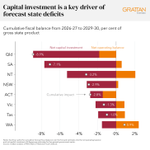
State government finances have been in the news again this month, with Queensland’s credit rating being downgraded by S&P from AA+ to AA. Taking a look at state budget forecasts over the coming years puts this change in context. 1/

In the case of Queensland, a combination of a packed pre-Olympic capital investment program and near-term operating deficits means they are forecasting cumulative fiscal deficits of nearly 9 per cent of state product over the next four years. 3/
Big numbers have power - they draw public attention. But interpreting them isn't straightforward. And that's certainly the case when it comes to the news this week that the federal debt has passed $1 trillion. 🧵
All this goes to show that when it comes to Australia's fiscal challenges, we can't afford to be distracted by - or cry wolf about - big numbers.
Building public support for budget repair means being clear-eyed about the fiscal challenges that lie ahead, and the significant effort governments will have to make to respond to them.
You can read the PBO's full report at the link below.
pbo.gov.au/publications-and-…